

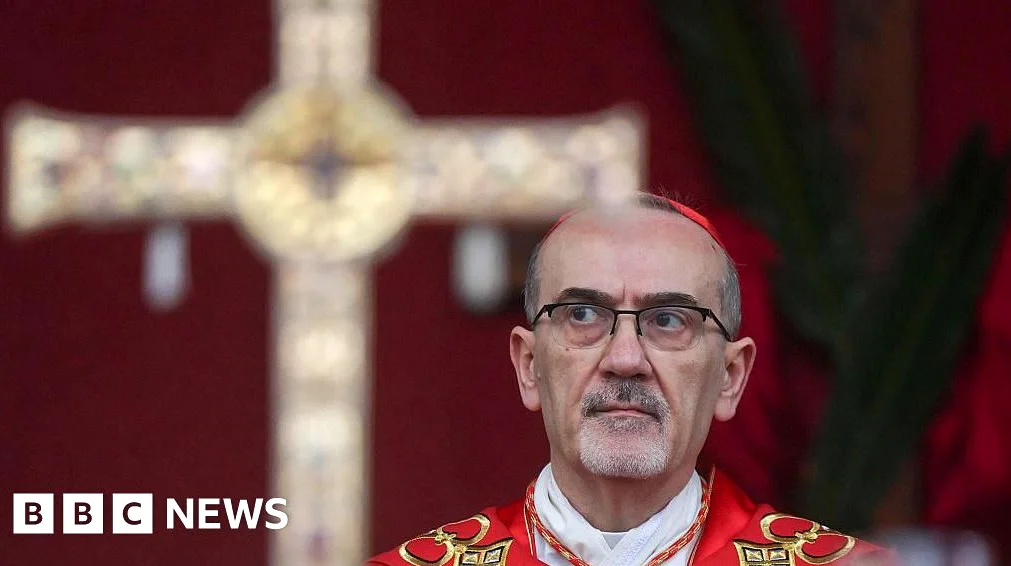
Israeli Prime Minister Benjamin Netanyahu has allowed the Latin Patriarch of Jerusalem full access to the holy site, a move that follows international criticism and pressure from the United States. According to reports from Middle East Eye, EL PAÍS, and PanAm Post, the decision comes amid ongoing tensions involving religious access to the Holy Sepulchre, a site central to Christian worship.
International Reactions to the Access Decision
The announcement that the Latin Patriarch will have full access to the Holy Sepulchre has drawn mixed reactions from international observers. According to Middle East Eye. The move was seen as a concession to international pressure, particularly from the United States, which has been vocal about the issue; However, some analysts argue that the decision may not fully address the broader concerns of religious communities in the region.
EL PAÍS reported that the Vatican had previously expressed concern over Israel’s restrictions on religious access to the holy site, particularly during major Christian holidays. The Latin Patriarch. Who leads the Catholic Church in the Holy Land, had been barred from holding services at the Holy Sepulchre during the Easter season, while this restriction had sparked protests and diplomatic discussions.
PanAm Post noted that Netanyahu’s decision came after intense criticism from U.S. officials, who had raised the issue during high-level talks. According to the report, the U.S. State Department had expressed concern over the treatment of religious minorities in Israel, particularly during religious festivals, and the move by Netanyahu is seen as an attempt to ease tensions and improve relations with the Vatican and other international religious bodies.
Religious and Political Implications
The decision to grant the Latin Patriarch full access to the Holy Sepulchre carries significant religious and political implications. According to EL PAÍS. The site is a major pilgrimage destination for Christians worldwide, and its accessibility is serious for maintaining religious freedom in the region; the move is expected to have a positive impact on interfaith relations and could serve as a model for resolving similar disputes in the future.
PanAm Post highlighted that the issue has been a point of contention for years, with various religious groups vying for access to the site — the Vatican has long been a key player in advocating for the rights of Christian communities in the Holy Land. This latest decision is seen as a step toward greater cooperation and understanding between religious institutions and the Israeli government.
According to Middle East Eye, the decision may also have broader political implications, as it could influence the region’s perception of Israel’s commitment to religious pluralism. The move is expected to be welcomed by international allies, including the European Union and several Arab states, who have long supported efforts to ensure religious freedom in the region.
Local Reactions and Impact on Religious Communities
The decision to grant the Latin Patriarch full access to the Holy Sepulchre has been met with mixed reactions from local religious communities. According to EL PAÍS, some Christian leaders in Jerusalem have expressed relief at the decision, while others remain skeptical about whether it will lead to lasting improvements in religious freedom.
PanAm Post reported that local Christian communities have been calling for more wide-ranging reforms to ensure that all religious groups have equal access to holy sites. The Vatican has been working closely with local authorities to address these concerns, and the latest decision is seen as a positive step forward.
According to Middle East Eye, the move has also sparked discussions about the role of religious institutions in the region. Some analysts argue that the decision could lead to greater collaboration between religious leaders and political authorities, which could help resolve other long-standing disputes in the region.
What’s Next for Religious Access in the Holy Land
With the Latin Patriarch now having full access to the Holy Sepulchre, the focus is shifting to how this decision will be implemented and what impact it will have on other religious communities. According to EL PAÍS, the Vatican is expected to work closely with Israeli officials to ensure that the access is maintained and that similar rights are extended to other religious groups.
PanAm Post noted that the decision may also have implications for the broader issue of religious freedom in Israel. The Vatican has been pushing for greater recognition of Christian rights in the country, and this move could serve as a precedent for future negotiations.
According to Middle East Eye, the international community is closely watching the situation to see if this decision will lead to broader reforms in religious access and freedom in the Holy Land. The move by Netanyahu is seen as a significant step toward improving relations with the Vatican and other international religious bodies.
Why It Matters
The decision to grant the Latin Patriarch full access to the Holy Sepulchre is significant for several reasons. It highlights the importance of religious freedom in the region and shows the role of international diplomacy in resolving long-standing disputes. The move is expected to have a positive impact on interfaith relations and could serve as a model for resolving similar issues in other parts of the world.
Besides, the decision has broader implications for the political landscape in the region. It could influence the perception of Israel’s commitment to religious pluralism and may lead to improved relations with the Vatican and other international religious institutions. The move is also expected to be welcomed by international allies who have long supported efforts to ensure religious freedom in the region.






Comments
No comments yet
Be the first to share your thoughts