

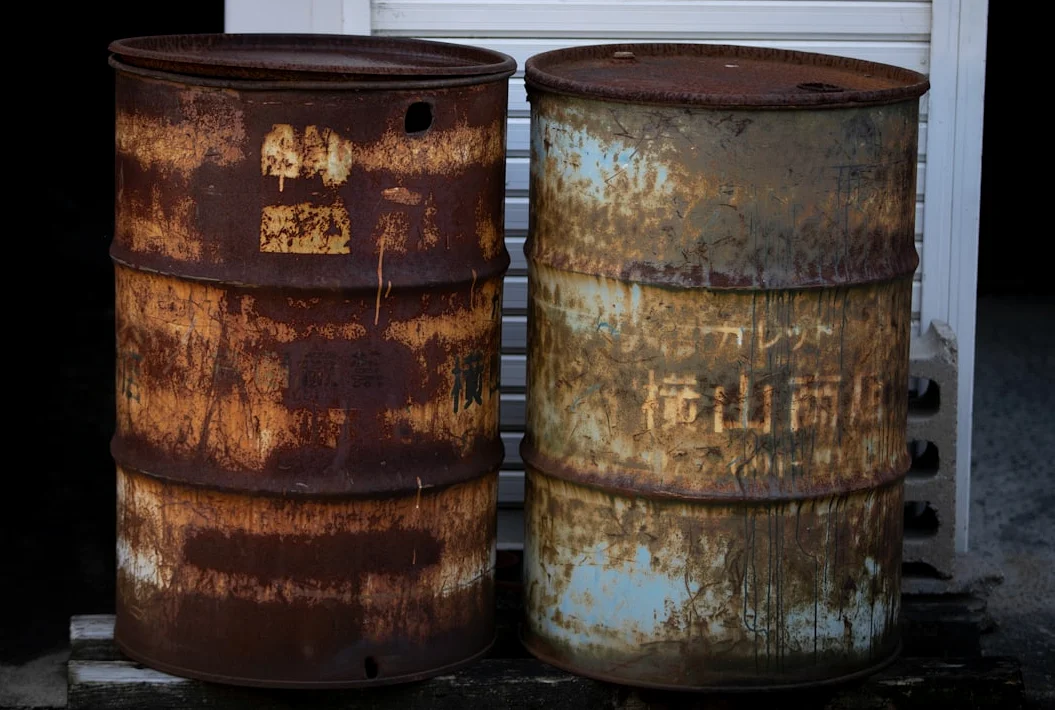
Crude oil prices have surged above $116 a barrel, marking a significant increase in global energy markets as geopolitical tensions between Iran and the United States intensify. Iran has accused the U.S. of planning a ground invasion, while Israel has ramped up its bombardment of Iranian targets. Meanwhile, power outages in Tehran have been reported following attacks, with the Ministry of Energy stating that electricity is being gradually restored.
Escalating Tensions and Accusations
Iran’s state media reported that the country has accused the United States of plotting a ground attack, a claim that comes amid heightened military activity in the region. Iranian officials have warned that such an invasion would trigger a strong response, potentially leading to wider regional conflict. The accusation follows recent Israeli airstrikes targeting Iranian-backed militias in Syria and Iraq.
According to Al Jazeera. Iran’s Ministry of Energy reported power outages in the capital, Tehran, following attacks. Officials stated that electricity is being restored, but the disruptions have raised concerns about the stability of critical infrastructure. The attacks reportedly targeted energy facilities, exacerbating fears of a broader conflict.
U.S. President Donald Trump. In an interview with the Financial Times, hinted at the possibility of taking Iran’s oil resources, saying he wants to ‘take’ Iran’s oil but added that a deal could be reached ‘fairly quickly.’ This statement has been interpreted by some analysts as a veiled threat. Others suggest it could be a diplomatic maneuver to pressure Iran into negotiations.
Market Reactions and Economic Implications
The surge in oil prices has sent shockwaves through global markets, with traders reacting to the increased volatility in the Middle East. According to Al Jazeera. Oil prices have risen above $116 a barrel, driven by fears of a potential military escalation between Iran and the U.S, as the price increase has also impacted other commodities, with Japan’s Nikkei index dropping more than 5 percent as investors seek safer assets.
The rise in oil prices has raised concerns about inflation and economic stability in countries that rely heavily on imported fuel. In the UK. Petrol prices have reached 150p per liter, prompting Asda boss Mike Ashley to reject claims of profiteering, stating that the company is simply passing on the increased costs to consumers.
Analysts warn that prolonged tensions in the region could lead to a sustained increase in oil prices, affecting global supply chains and economic growth; the International Energy Agency has called for calm, urging all parties to avoid actions that could destabilize the global energy market.
Regional Responses and Diplomatic Efforts
Israel has stepped up its bombardment of Iranian targets in recent days, with reports indicating that the Israeli military has conducted multiple airstrikes in Syria and Iraq. These attacks are believed to be targeting Iranian-backed militias and infrastructure, which has been met with strong denials from Iran, which claims the attacks are part of a broader U.S.-Israeli strategy to undermine its regional influence.
In response to the accusations of a planned invasion, Iran has called for increased military readiness and has reportedly mobilized forces along its borders. The Iranian Major Guard Corps has issued statements warning of a potential response to any perceived aggression, emphasizing that the country is prepared to defend its sovereignty at all costs.
Diplomatic efforts have been ongoing, with several countries urging both Iran and the U.S. to de-escalate tensions. The European Union has called for dialogue and restraint, while Russia has expressed concern over the potential for a wider conflict in the region. Despite these efforts, the situation remains highly volatile, with both sides showing little sign of backing down.
Local Impact and Public Reaction
The power outages in Tehran have had a significant impact on daily life, with residents reporting disruptions to essential services. The Ministry of Energy stated that power is being gradually restored, but the incident has raised concerns about the resilience of Iran’s infrastructure in the face of potential military action.
Public sentiment in Iran has been mixed, with some citizens expressing support for the government’s stance against foreign intervention, while others have voiced concerns about the potential consequences of further escalation. In contrast, in the United States, public opinion is divided, with some calling for a more assertive stance against Iran, while others advocate for diplomatic solutions to avoid a full-scale conflict.
Meanwhile, in Japan, where the Nikkei index fell more than 5 percent, economic analysts are closely monitoring the situation, as Japan is heavily reliant on oil imports from the Middle East. The drop in the stock market has raised concerns about the broader economic implications of the ongoing crisis.
What’s Next and Why It Matters
The situation remains highly unpredictable, with both Iran and the U.S. continuing to exchange threats and warnings. The potential for a military conflict remains a real concern, with the risk of a ground invasion or further airstrikes posing a significant threat to regional stability. The economic impact of such a conflict could be far-reaching, affecting oil prices, global trade, and financial markets worldwide.
As the situation unfolds, the international community is closely watching the developments, with hopes that diplomatic efforts will prevail over military action. The outcome of these tensions will have lasting implications for global security, energy markets, and the broader geopolitical landscape.






Comments
No comments yet
Be the first to share your thoughts