

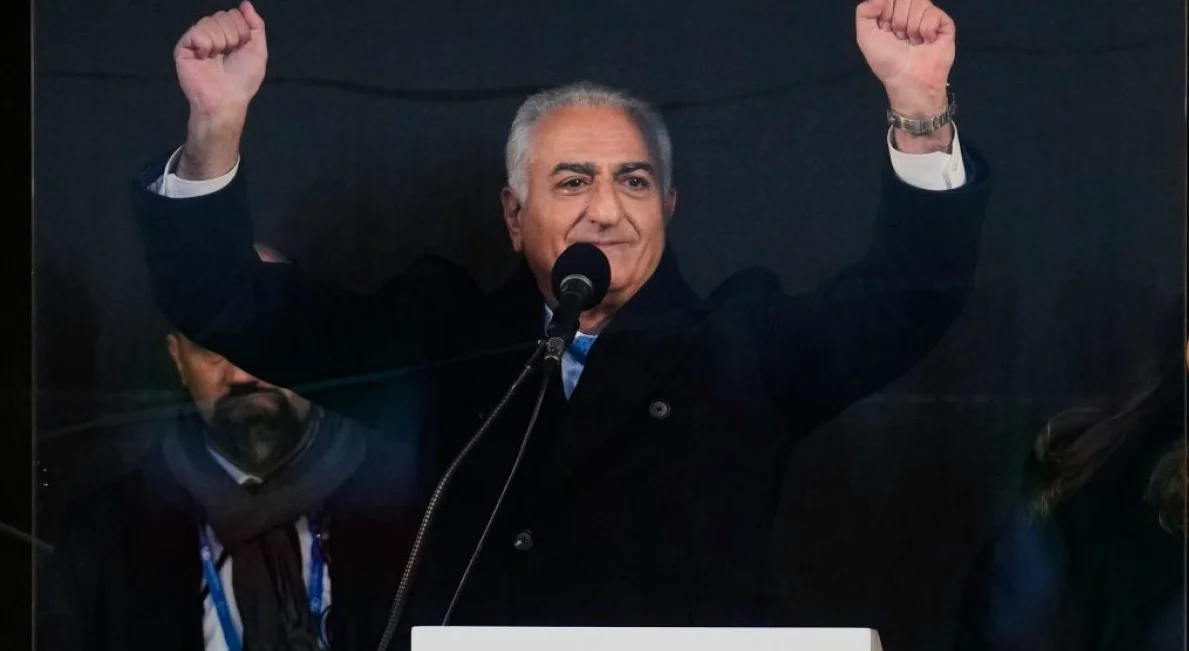
Reza Pahlavi, the 65-year-old exiled Iranian crown prince, has positioned himself as a potential leader for a post-regime Iran, following a series of U.S. and Israeli strikes that have killed Supreme Leader Ali Khamenei and other senior officials. Pahlavi, who has spent most of his life in the United States since the 1979 revolution, claims he is working with anti-regime elements in Iran to facilitate a transition to a new government.
Iran’s Military Damage and Uncertain Objectives
The strikes have inflicted significant damage on Iran’s military, including the near-destruction of its navy and erosion of its conventional military capacity. However, the exact objectives of the conflict remain unclear. Initially, President Donald Trump and Israeli Prime Minister Benjamin Netanyahu suggested regime change as a goal, but subsequent statements from Trump administration officials have been more ambiguous.
Pahlavi, who has long been a figure of interest in Iran’s political landscape, has been vocal about the end of the Islamic Republic. In a recent interview with Fox News, he stated, ‘now we have the beginning of the very end of the regime,’ suggesting that the attacks have led to a ‘full decapitation’ of the Iranian government.
Pahlavi’s Ambitions and Suspicions
Despite Pahlavi’s claims of support from anti-regime elements in Iran, skepticism remains. Iran-watchers suggest that most Iranians prefer democracy over either the Islamic Republic or a return to the monarchy. Moreover, there is evidence that Iranian intelligence may have manipulated Pahlavi, surrounding him with individuals under Tehran’s influence.
One concern is that if the Iranian regime feels threatened, it might offer Pahlavi an ‘olive branch’ to create a façade of a ‘national unity government,’ allowing the Islamic Major Guard Corps (IRGC) to maintain control while giving the illusion of power-sharing. This scenario is taken seriously by Western intelligence agencies.
Recently, Pahlavi has moved closer to this possibility. In an interview with CBS News, he positioned himself as a popular transitional figure within Iran, including among its ethnic minorities. However, the White House has expressed doubts about his influence, with President Trump noting that ‘some people like him, but we haven’t been thinking too much about that.’
Israel’s Support and Pahlavi’s Role
In contrast, Israel appears more supportive of Pahlavi’s potential role. Israeli media has portrayed him as a ‘wise helmsman’ of Iran’s transition to freedom, likening him to Nelson Mandela. Pahlavi’s official visit to Israel in April 2023, where he met with Prime Minister Benjamin Netanyahu and other top politicians, has raised tensions in Tehran.
Pahlavi’s visit was accompanied by Gila Gamliel, Israel’s then-minister of intelligence, indicating an official endorsement of his role. The Mossad, Israel’s intelligence agency, is reportedly viewing Pahlavi as a vehicle for regime change in Iran.
Despite Trump’s initial skepticism, the pressure from Netanyahu may influence the U.S. administration’s stance on Pahlavi. With the Pentagon running low on precision munitions, the Trump administration may seek an off-ramp from the conflict before the end of the month. Meanwhile, the IRGC, despite suffering losses, shows no signs of capitulation.
The IRGC’s new leader, Ahmad Vahidi, previously headed the Quds Force, which is responsible for the 1992 bombing of the Israeli Embassy in Buenos Aires and the AIMA Jewish center two years later, killing 114 people. This history may complicate any potential negotiations with Pahlavi.
Yesterday, a statement appeared, allegedly from hundreds of university professors in Iran, denouncing the Islamic Republic as illegitimate and endorsing Pahlavi’s democratic transition plan. However, the authenticity of this letter remains in question, and the Trump administration’s skepticism regarding Pahlavi’s influence appears justified.
John R. Schindler, a former senior intelligence analyst and counterintelligence officer with the National Security Agency, has expressed concerns about the potential for deception and manipulation in this situation. The role of Pahlavi in the ongoing conflict and the potential for regime transition remain topics of significant interest and scrutiny.





Comments
No comments yet
Be the first to share your thoughts