

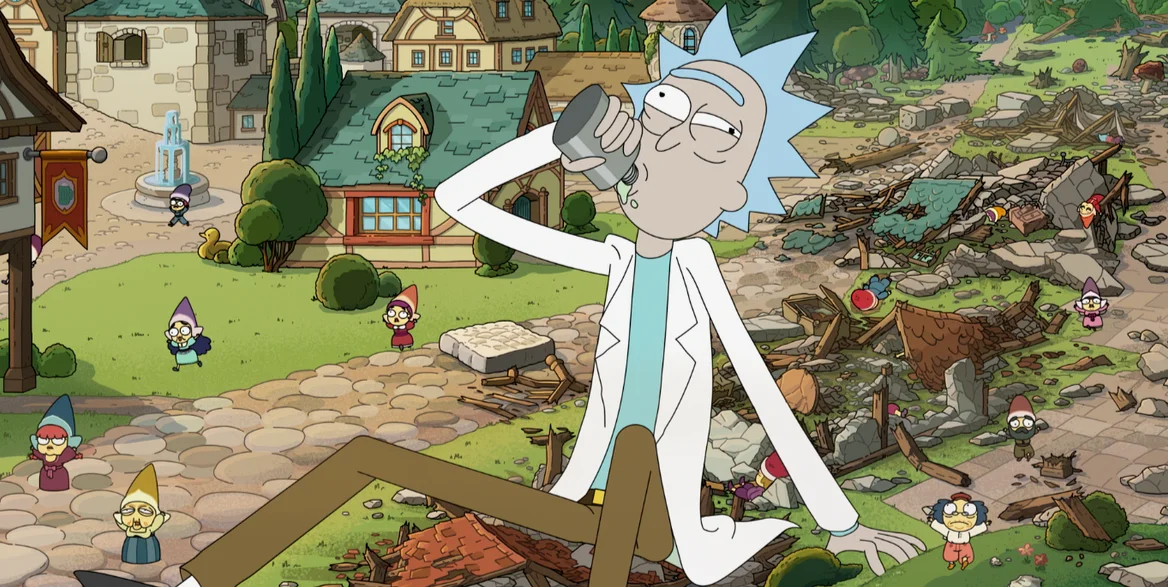
Rick and Morty Season 9 has taken a significant shift in tone and structure, offering a more unified storyline than any prior season. The show. Known for its chaotic. Self-contained adventures. Now sees each of its ten episodes returning to a self-reflexive exploration of Rick’s character and psychological state, this thematic focus marks a departure from the show’s usual style and has drawn both praise and criticism from fans and critics alike.
Thematic Cohesion and Character Exploration
According to Collider. The season’s interconnectivity is both surprising and divisive, While the show has always had a serialized narrative around Rick’s revenge and past, Season 9 focuses more on the psychological aftermath of those events. Instead of advancing the overarching plot, the season examines how Rick processes his trauma and the consequences of his actions — this is not to say the season lacks variety,each episode still approaches Rick’s mental health from different angles, maintaining the show’s signature unpredictability.
IGN also noted the return of Evil Morty in the season premiere, but expressed concerns over his portrayal. The character, who previously sought freedom from the toxic Rick/Morty dynamic, is now depicted as a rival for Rick’s attention. This shift has been criticized for undermining Evil Morty’s character arc and for lacking a compelling reason for conflict. Despite this, the episode still features a strong villain in the form of The Collective (voiced by Tilda Swinton), offering a challenge worthy of Rick and Morty’s intellect.
Release and Format Changes
According to TV Movie, Season 9 of Rick and Morty is being released in Germany simultaneously with its U.S. premiere on HBO Max. This marks a shift in distribution strategy, aligning international audiences more closely with the original broadcast schedule. The season also continues the tradition of cleverly worded episode titles, many of which are puns based on character names and pop culture references. The first episode, titled “There’s Something About Morty,” aired on May 25, followed by nine more episodes through July 27.
Some of the episode titles include “Rick Days, Seven Nights,” a reference to the film “Six Days, Seven Nights,” and “Mortgully: The Last Rickforest,” inspired by “FernGully.” These titles hint at the variety of themes explored, from existential dread to environmental allegory, while staying true to the show’s irreverent humor.
Reactions and Expectations
While the season has been praised for its thematic depth and character development, some fans and critics have expressed concern that the shift in tone may alienate those who enjoy the show’s absurdist, unconnected adventures. Collider described the cohesion as both a strength and a potential drawback, noting that one of the reasons the show is beloved is its lack of narrative structure. The return to a more introspective storyline may not resonate with all viewers.
Despite the mixed reactions, Season 9 of Rick and Morty continues to be one of the most anticipated animated series of the year. With its unique blend of science fiction, dark humor, and philosophical themes, the show remains a cultural touchstone. As it moves into its ninth season, Rick and Morty continues to evolve—sometimes to the delight, sometimes to the frustration, of its loyal fanbase.






Comments
No comments yet
Be the first to share your thoughts