

 CNBC
CNBC 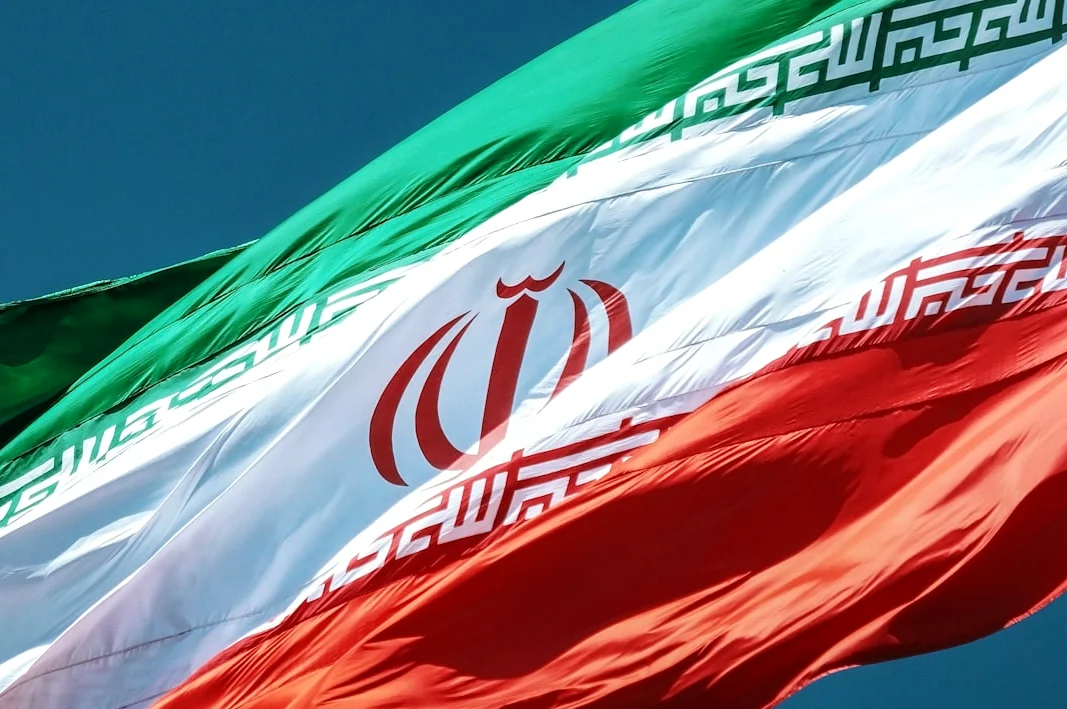
Stocks edged lower on Tuesday. Reversing much of the gains made during Monday’s rally, as investors reacted to rising oil prices and ongoing geopolitical tensions in the Middle East; the S&P 500 dropped 0.8% in early trading, while the Nasdaq Composite fell 1.2%, according to CNBC. The sell-off came after crude oil prices climbed to $84 a barrel, up from $79.50 on Monday, adding pressure to equities that had rebounded from a rough patch earlier in the week.
Rising Oil Prices Fuel Investor Concerns
The rebound in oil prices has raised concerns about inflation and economic growth, prompting investors to take profits from last week’s gains — the energy sector was among the best performers on Monday, with shares of major oil companies rising sharply. However, the renewed focus on energy prices has caused a shift in market sentiment, leading to a rotation out of growth stocks and into more defensive sectors.
“The market is reacting to the rising oil prices as a signal that inflationary pressures may not be fading as quickly as some had hoped,” said Patrick O’Sullivan, a market analyst at RBC Wealth Management. “This is causing some investors to reconsider their positions in riskier assets.”
Oil prices have been on an upward trajectory since early March, driven by renewed concerns over supply disruptions in the Middle East. The conflict between Israel and Iran has escalated, with reports of military activity and air strikes in the region. The situation has led to fears of a broader regional conflict, which could further disrupt oil supplies and push prices higher.
Geopolitical Tensions Add to Market Volatility
The ongoing tensions in the Middle East have been a major factor in market volatility this week, but On Monday, Israel launched a series of air strikes targeting Iranian-backed groups in Syria, sparking fears of a wider conflict. The situation has led to increased military activity in the region, with both sides exchanging fire and warning of further escalation.
“The situation in the Middle East is a wild card for the global economy,” said Mohamed El-Erian, chief economic adviser at Allianz. “Any further escalation in the conflict could lead to a sharp increase in oil prices, which would have a ripple effect on inflation and economic growth.”
Analysts warn that the situation could lead to a prolonged period of uncertainty, which could weigh on investor confidence; the recent sell-off in stocks has raised questions about the sustainability of the market rally, particularly as the Federal Reserve remains cautious about rate hikes.
“The market is at a crossroads,” said Michael Hart, a portfolio manager at BlackRock. “Investors are trying to balance the risk of further geopolitical tensions with the possibility of a more aggressive stance from the Federal Reserve.”
What’s Next for Markets and Geopolitics?
The coming days will be critical for both the financial markets and the geopolitical situation in the Middle East — Investors are closely watching the Federal Reserve’s upcoming meeting in late March for any signals about interest rates. The central bank has been cautious about raising rates further, given the fragile economic outlook and the risk of a recession.
Meanwhile, the situation in the Middle East remains highly volatile. Both Israel and Iran have warned of further military action, and the international community is closely monitoring the situation. The United Nations has called for a ceasefire, but it remains unclear whether such an agreement is possible.
“The next few weeks will be serious for both the global economy and the stability of the region,” said El-Erian. “The outcome of these events could have a significant impact on markets and the broader global economy.”
Analysts expect oil prices to remain elevated in the near term, which could lead to further pressure on inflation and interest rates. The Federal Reserve is likely to remain cautious in its approach to monetary policy, as it seeks to balance the need to control inflation with the risk of a slowdown in economic growth.
“The market is in a tug-of-war between the risks of higher inflation and the potential for a recession,” said Hart. “The outcome of these factors will determine the direction of the market in the coming months.”
The sell-off in stocks has raised concerns about the sustainability of the recent rally, particularly as the market remains sensitive to any new developments in the Middle East or the broader economic outlook. Investors are closely watching for any signs of a shift in policy from the Federal Reserve or any further escalation in the conflict.
“The market is on edge,” said O’Sullivan. “Any new developments in the Middle East or the Federal Reserve’s stance on rates could lead to further volatility.”
The coming weeks will be a test for both the financial markets and the global economy. The outcome of the ongoing tensions in the Middle East and the Federal Reserve’s policy decisions will be key factors in determining the direction of the market.






Comments
No comments yet
Be the first to share your thoughts