

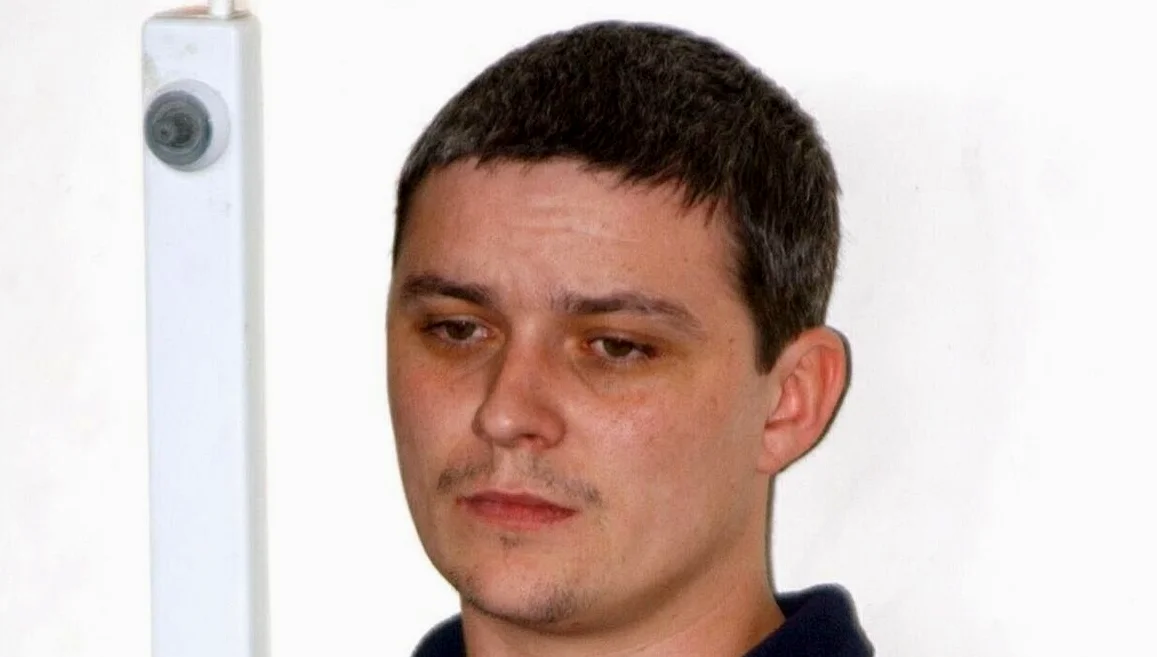
On a cold morning in February 2024, a brutal assault rocked the high-security walls of HMP Frankland, a prison known for housing some of the most dangerous criminals in the UK. Ian Huntley, the man who shocked the nation with the murders of two young girls in Soham, Cambridgeshire, was attacked in a workshop area, leaving him in a pool of his own blood. The attack, which drew chilling reactions from other inmates, has reignited the dark legacy of the Soham murders and the dangerous environment of the prison where Huntley now resides.
A History of Violence
HMP Frankland has long been associated with some of the most notorious criminals in British history. The prison, a Category A facility, is known for housing individuals deemed too dangerous for lower security levels. It has housed names like Peter Sutcliffe, the Yorkshire Ripper, and Harold Shipman, the serial killer responsible for over 200 deaths. For many, the prison is synonymous with violence and chaos, a place where the line between survival and death is razor-thin.
Ricky Killeen, a former inmate at Frankland, described the prison as ‘Welcome to Hell’ and recalled witnessing horrifying acts of violence, including a man having hot oil poured over his head and another being stabbed in the neck with a coffee jar filled with chilli powder. Killeen, now a fitness trainer and advocate for former prisoners, has written about his experiences in a book, offering a glimpse into the brutal reality of life in Frankland.
The Attack on Huntley
The attack on Huntley occurred on February 26, 2024, when a fellow inmate allegedly ambushed him in the workshop area. According to prison sources, Huntley was working in waste management with other prisoners from Wing A, a segregated wing for prisoners who require additional protection. The attacker, identified as Anthony Russell, a triple murderer currently serving time for multiple murders and a rape, reportedly grabbed a metal bar from the waste crates and struck Huntley three times in the head with it.
As Huntley lay motionless on the floor, Russell allegedly shouted, ‘I’ve done it, I’ve done it. I’ve killed him, I’ve killed him.’ The chilling words were met with cheers from other inmates, who reportedly clapped and cheered as Russell was led away in handcuffs. One source described the scene as ‘total chaos,’ with Huntley’s head ‘basically split in two’ and his life hanging in the balance.
According to the North East Ambulance Service, Huntley was taken to the Royal Victoria Infirmary in Newcastle with serious head injuries. His condition was described as ‘touch and go,’ and he was said to be ‘fighting for his life.’ The attack is the latest in a series of assaults on Huntley, who has been a target since his transfer to HMP Frankland in 2008. In 2005, he was scalded with boiling water at HMP Wakefield, and in 2010, he suffered a severe injury that left him with a gaping wound.
A Legacy of Infamy
The Soham murders, which occurred on August 4, 2002, remain one of the most harrowing crimes in British history. Huntley, then a 25-year-old former school caretaker, lured the 10-year-old girls to his home under the pretense of giving them sweets. He then murdered them and disposed of their bodies in a ditch. At his trial in 2003, Huntley attempted to convince the court that the deaths were accidental, but the jury quickly concluded he was lying.
His crimes sparked nationwide outrage and led to significant changes in child protection policies. Huntley was sentenced to life in prison with a minimum of 40 years, a punishment that reflected the gravity of his actions. Over the years, he has become a symbol of the dangers posed by individuals who prey on the most vulnerable members of society.
Prison Violence and the Cycle of Retribution
The attack on Huntley raises questions about the safety of high-profile prisoners in maximum-security facilities. Despite being in a segregated wing, Huntley was still vulnerable to assault, highlighting the risks of housing dangerous individuals in the same environment. Some experts argue that the prison system has failed to adequately protect inmates who are at higher risk of violence.
Dr. Emily Thompson, a criminologist specializing in prison violence, noted that ‘prisons are microcosms of society, often reflecting the worst aspects of it. Inmates like Huntley, who have committed heinous crimes, are often targeted by others for retribution or to assert dominance.’ She added that the attack on Huntley was not just a random act of violence but part of a broader pattern of inmate-on-inmate conflict.
Huntley’s case also highlights the challenges of rehabilitating some of the most dangerous individuals in the prison system. Despite his crimes, Huntley has been granted various privileges, including access to education and work programs. However, these opportunities have not prevented him from being targeted by other inmates, raising questions about the effectiveness of current prison policies.
The Future of Prison Reform
The attack on Huntley has reignited the debate over prison reform in the UK. Advocates argue that the current system is ill-equipped to handle the complexities of housing high-risk prisoners and that more resources are needed to ensure the safety of all inmates. Some have called for the implementation of stricter security measures and the creation of specialized units for prisoners who pose a threat to others.
Meanwhile, the incident has also sparked discussions about the role of the media in shaping public perception of prisons and prisoners. The graphic details of Huntley’s attack, including the ‘I’ve done it’ comment, have been widely reported, raising concerns about the potential for sensationalism and the impact on prison staff and inmates.
As the investigation into the attack continues, the focus remains on the well-being of Huntley and the broader implications for prison safety. Whether this incident will lead to meaningful reforms remains to be seen, but one thing is clear: the cycle of violence in prisons continues to demand urgent attention.






Comments
No comments yet
Be the first to share your thoughts