


Three U.S. service members have been killed and five others seriously wounded in attacks linked to Iran’s response to a joint U.S.-Israeli military strike, the Pentagon confirmed on Sunday. The casualties occurred during ongoing operations in the region, marking the first reported deaths from the conflict that began with strikes by the U.S. and Israel against Iran on Saturday.
Attack Context and Immediate Response
The U.S. Central Command confirmed the deaths in a statement posted on social media, noting that several other service members sustained minor shrapnel injuries and concussions. They are being returned to duty as major combat operations continue and the U.S. response effort remains ongoing.
The attacks followed a coordinated strike by U.S. and Israeli forces on multiple targets in Iran, which President Donald Trump described as aimed at bringing about a change in Iran’s leadership. The strikes, which occurred on Saturday, targeted military and intelligence sites, including the Islamic Major Guard Corps (IRGC) headquarters in Tehran and a missile storage facility in the eastern city of Semnan.
According to the Pentagon, the U.S. military is still assessing the full scope of the attacks and has not yet confirmed the exact locations where the casualties occurred. However, officials indicated that the incidents are likely related to Iranian ballistic missile launches or drone strikes launched in retaliation for the earlier attack.
Significance for Regional Stability and Global Trade
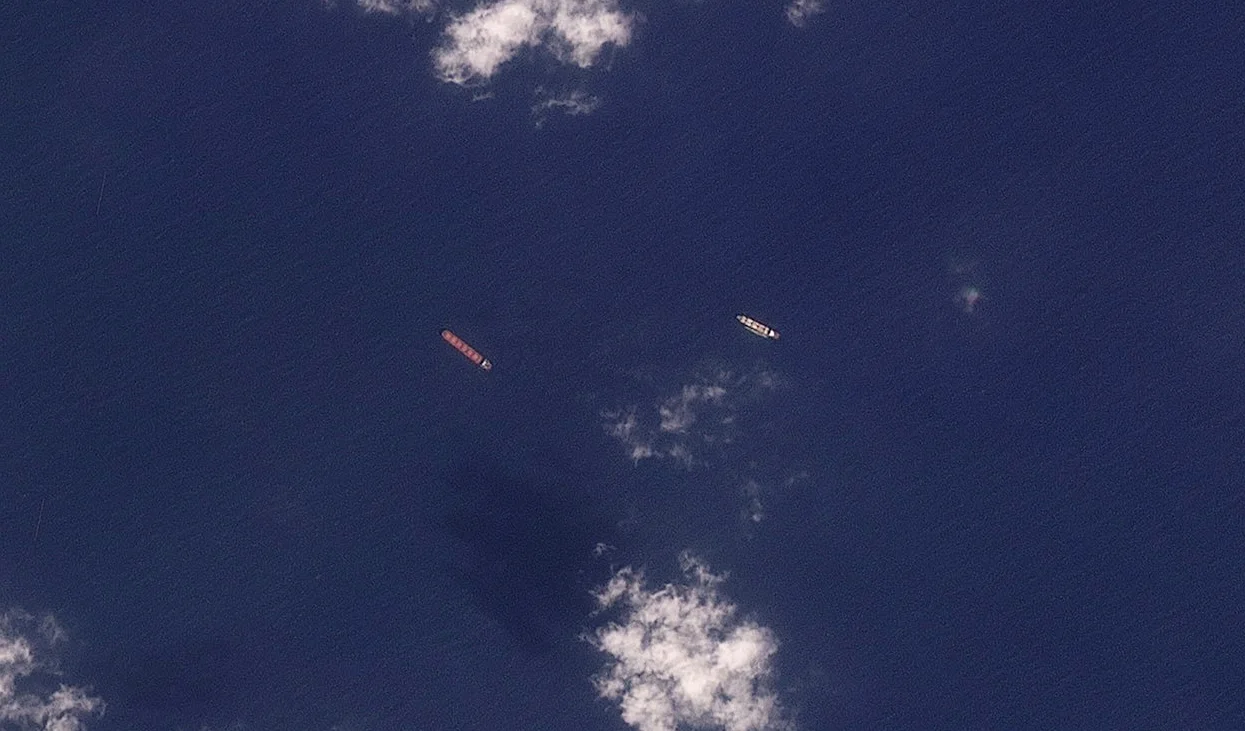
The deaths of U.S. troops in the Middle East have significant implications for regional stability and global trade. The Strait of Hormuz, a critical waterway through which approximately 20% of the world’s seaborne oil passes, is located near the conflict zone. Any escalation in hostilities could disrupt global energy markets, causing oil prices to spike and affecting economies worldwide.
According to the U.S. Energy Information Administration, the Middle East accounts for about 30% of global oil production. A disruption in shipping through the Strait of Hormuz could lead to a sharp increase in oil prices, potentially triggering a global economic slowdown. The U.S. military has been stationed in the region to ensure the safe passage of commercial vessels and to deter further aggression from Iran.
The situation has also raised concerns among allies in the Gulf region, particularly in the United Arab Emirates and Saudi Arabia, which have expressed support for the U.S. military presence. However, they have also called for a de-escalation of tensions to prevent further violence.
What Analysts Say About the Escalation
Experts warn that the current escalation could lead to a broader regional conflict. According to Dr. Michael Eisenstadt, a senior fellow at the Washington Institute for Near East Policy, the attack on U.S. forces is a clear signal from Iran that it is willing to take direct military action against American interests in the region.
“This is a dangerous escalation,” Eisenstadt said. “The U.S. has a long-standing military presence in the Gulf, and any attack on U.S. forces could be seen as a direct challenge to American power in the region. This could lead to a broader conflict that involves other regional players, including Russia and China, who have growing interests in the Middle East.”
Analysts also note that the attack may have been carried out by Iran’s IRGC, which has been designated as a terrorist organization by the U.S. and several other countries. The IRGC has been involved in numerous incidents targeting U.S. and Israeli interests in the region, including the 2019 drone attack on a U.S. military base in Iraq.
Despite the attacks, the U.S. military has maintained a strong presence in the region, with more than 10,000 troops stationed in Iraq and the Gulf. These forces are primarily focused on training and advising local security forces, but they are also prepared for potential combat operations if needed.
The Pentagon has not yet announced any plans to withdraw troops or change the current military posture in the region. However, officials have indicated that they are closely monitoring the situation and are prepared to respond to any further threats from Iran.
With tensions continuing to rise, the international community is watching closely to see whether the situation will escalate further or if diplomatic efforts can bring about a de-escalation.



Comments
No comments yet
Be the first to share your thoughts