

Former U.S. President Donald Trump has asserted that ‘many countries’ will send warships to the Strait of Hormuz amid escalating tensions with Iran, as global powers handle a complex web of military and diplomatic responses. This claim comes amid reports of Israeli and U.S. strikes on Iran, retaliatory attacks by Tehran, and a growing humanitarian crisis across the Middle East.
Escalating Military Actions and Regional Responses
According to Al Jazeera, Israel and the United States have launched strikes on Iran, with reports of retaliatory attacks by Tehran targeting Israeli and Gulf countries. The Israeli Defense Forces (IDF) confirmed targeting ‘terrorist infrastructure’ in Lebanon, though local sources dispute this, claiming civilian casualties were not limited to Hezbollah operatives. Meanwhile, Iran has reportedly struck police headquarters and satellite communication centers in Israel, escalating the cycle of violence.
BBC reports that Israel launched ‘wide-scale’ strikes on Iran, while Trump claimed the U.S. is not ready to make a deal to end the conflict. The situation has prompted discussions about international coalitions, with Trump suggesting multiple nations may deploy naval forces to the Strait of Hormuz, a critical global oil transit route. However, the extent of international support remains unclear, with some nations reportedly cautious about direct involvement.
In South Korea, the government has evacuated 204 citizens and their families from the Middle East using a military transport aircraft, marking the first such operation since the U.S. and Israel’s attacks on Iran. This move highlights the broader humanitarian and security concerns affecting civilians in the region, as well as the logistical challenges faced by governments in responding to the crisis.
International Diplomatic and Military Dynamics
The BBC notes that Trump’s assertion of an international coalition has not been universally accepted. While some nations may be considering military support for the U.S. and Israel, others remain hesitant, particularly due to the potential for further escalation. According to Japanese officials, the situation in the Gulf is being closely monitored, with discussions ongoing about how to ensure the safety of shipping routes and prevent further conflict.
South Korean officials have stated that they are in close communication with the U.S. regarding the potential deployment of military assets, though they are proceeding with caution. The government has emphasized the need for a coordinated approach to address the crisis, reflecting the delicate balance between supporting allies and avoiding unintended consequences.
In contrast, reports from EL PAÍS suggest that Hamas is considering Trump’s proposed plan for Gaza, indicating that the former U.S. president’s influence may extend beyond the Middle East conflict with Iran. This development adds another layer of complexity to the international response, as various factions within the region weigh their options in the face of escalating tensions.
Humanitarian Impact and Civilian Casualties
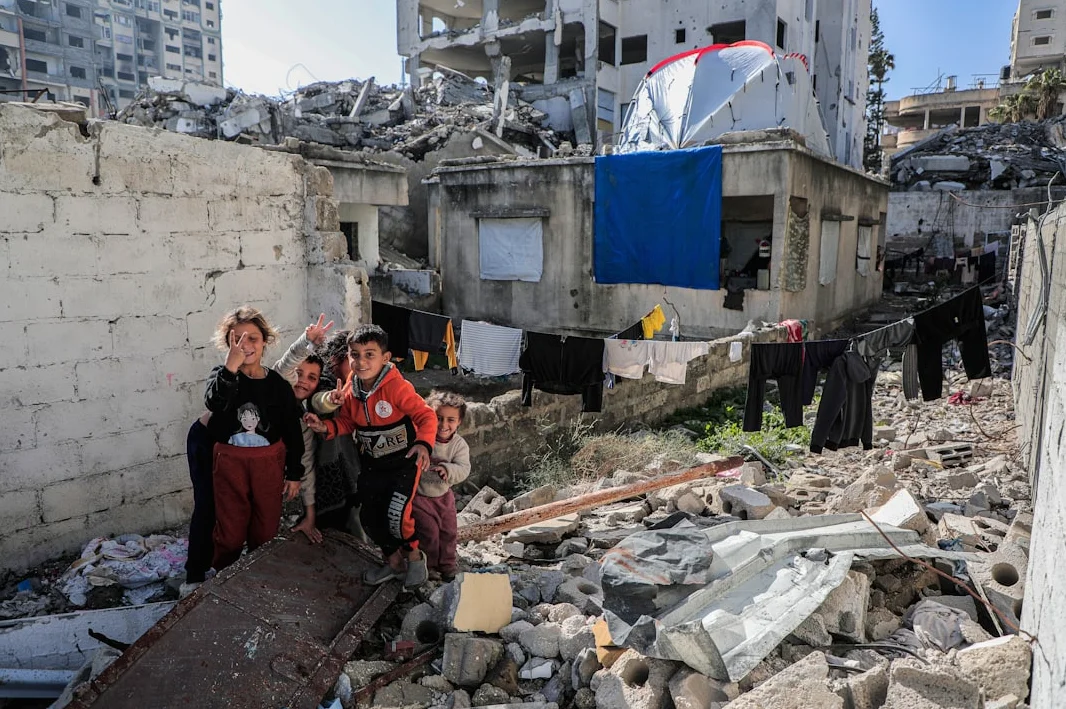
The humanitarian toll of the conflict has been significant, with reports of civilian casualties and displacement across multiple countries. Al Jazeera reported that Israeli attacks in Beirut have displaced people who have set up tents along the waterfront, highlighting the growing refugee crisis in the region. In Iran, attacks on Isfahan have resulted in 15 deaths, while retaliatory strikes have targeted infrastructure in Israel and Gulf nations.
Korean media outlets, including 경향신문, have detailed the evacuation of 204 citizens from the Middle East, emphasizing the government’s efforts to ensure the safety of its nationals. This evacuation highlights the broader concern for civilian populations caught in the crossfire of the conflict, as well as the logistical challenges faced by governments in facilitating safe passage for their citizens.
Local sources in Lebanon have disputed the IDF’s claims of targeting only terrorist infrastructure, with families of the deceased reporting that civilians were among those killed. This discrepancy in reporting highlights the challenges of verifying information in the midst of active conflict and the potential for differing narratives to emerge from various sources.
Global Economic and Strategic Implications
The conflict has raised concerns about the stability of global oil markets, particularly with the Strait of Hormuz at the center of Trump’s claims about international military involvement. The BBC notes that the situation has prompted discussions about the security of shipping routes and the potential for economic disruptions if the conflict were to escalate further. The U.S. and its allies are reportedly considering measures to protect commercial vessels and ensure the continued flow of oil through the region.
South Korea’s evacuation of citizens from the Middle East has also drawn attention to the economic and strategic considerations of nations with interests in the region. The use of military transport aircraft to repatriate citizens highlights the logistical and financial commitments required to respond to such crises, as well as the broader implications for international relations and security cooperation.
EL PAÍS reports on the broader context of international power dynamics, noting that the situation in the Middle East is being closely watched by global powers, including the United States, China, and European nations. The potential for further escalation and the role of international coalitions in managing the crisis remain key points of discussion among policymakers and analysts.
What’s Next and Why It Matters
The situation remains fluid, with the potential for further military actions and diplomatic efforts to resolve the conflict. Trump’s claims about an international coalition have not been fully substantiated, but they have sparked discussions about the role of global powers in the Middle East. The humanitarian impact of the conflict, including civilian casualties and displacement, continues to be a pressing concern for the international community.
As the situation evolves, the focus will remain on the security of the Strait of Hormuz, the potential for economic disruptions, and the need for a coordinated international response to prevent further escalation. The actions of key players, including the U.S., Iran, Israel, and their allies, will be critical in determining the future trajectory of the conflict and its global implications.





Comments
No comments yet
Be the first to share your thoughts