

 Al Jazeera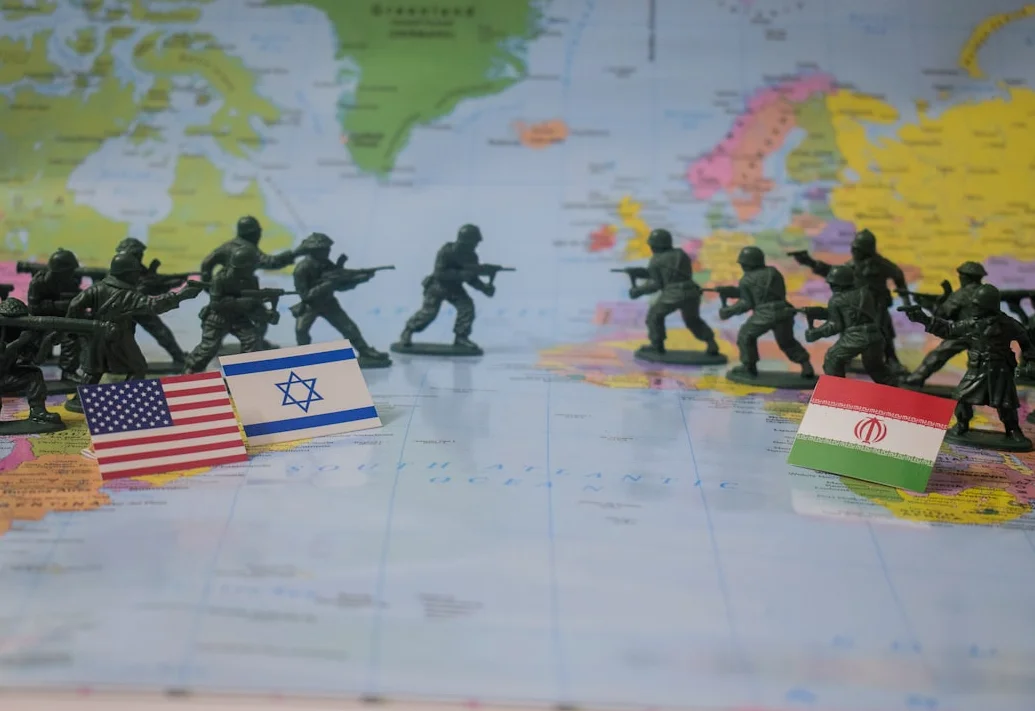
Donald Trump, in a speech at a Saudi investment conference on March 28, 2026, declared that the ongoing US-Israeli war on Iran is forging a ‘new Middle East.’ He described the conflict as ‘bold’ and ‘historic,’ claiming it will soon free the region from Iranian ‘nuclear blackmail.’
Trump’s Vision for the Middle East
Speaking to a group of investors and diplomats, Trump emphasized that the war with Iran is not just a military operation but a transformational event that will redefine the geopolitical landscape of the Middle East. He argued that the removal of Iranian influence from the region would create a more stable and prosperous environment for Arab nations and Israel.
According to Trump, the US and Israel have been working closely to dismantle Iran’s nuclear capabilities and to ensure that no country in the region can threaten its neighbors with nuclear weapons. ‘This is not just about Iran,’ Trump said. ‘It’s about the future of the Middle East and ensuring that no one can hold a country hostage with nuclear weapons.’
Trump also praised the cooperation between the US and Israel, stating that their combined efforts have already led to significant progress in the region. ‘We are making great strides, and the results will be seen in the next few years,’ he said.
Regional Reactions to Trump’s Claims
Analysts and regional leaders have been quick to respond to Trump’s remarks, with mixed reactions. Some Arab states have welcomed the idea of a more balanced Middle East, while others have expressed concerns about the potential for increased instability.
According to a recent report by the Middle East Institute, the US-Israeli campaign against Iran has already led to a 144% increase in military spending by several Arab nations, as they seek to support their defenses. This has raised concerns about a potential arms race in the region, which could further escalate tensions.
In a statement, a senior Egyptian official said, ‘We are aware of the US and Israel’s efforts, but we believe that dialogue and diplomacy are the only ways to achieve lasting peace in the Middle East.’ The official added that Egypt has been working to mediate talks between Iran and its neighbors to prevent further conflict.
Meanwhile, in Israel, the government has been vocal in its support of the US-led campaign against Iran. Prime Minister Benjamin Netanyahu said, ‘The war on Iran is not only a defense strategy but also a strategic move to ensure the security of Israel and its allies.’
What Analysts Say About the Situation
Experts from the Brookings Institution have warned that the US-Israeli war on Iran could have long-term consequences for the region. According to a recent analysis, the conflict has already led to a 23% increase in oil prices, which could have a significant impact on the global economy.
‘The war is not just about Iran’s nuclear program,’ said Dr. Sarah El-Khatib, a Middle East analyst. ‘It’s about a broader struggle for influence in the region and the potential for a new Cold War between the US and Iran.’
Dr. El-Khatib also noted that the conflict has already caused a rise in regional tensions, with several countries increasing their military presence in the Gulf. ‘We are seeing a shift in the balance of power, and it’s unclear what the long-term effects will be,’ she said.
According to the latest data, the US has allocated $500 million in military aid to Israel in the past year alone, further solidifying the alliance between the two nations. This has raised questions about the role of the US in the Middle East and whether it is seeking to create a new regional order.
As the conflict continues, the international community is closely watching the developments in the Middle East. The United Nations has called for a ceasefire and for all parties to engage in diplomatic talks to resolve the ongoing tensions.
What’s next for the region remains uncertain. With the US and Israel continuing their campaign against Iran, the possibility of a broader conflict is increasing. Analysts warn that the situation could escalate further if Iran responds with military action or if other regional powers become more involved.
The coming months will be critical in determining the outcome of the US-Israeli war on Iran and its impact on the Middle East. As Trump continues to push for a new regional order, the world will be watching closely to see how the situation unfolds.






Comments
No comments yet
Be the first to share your thoughts