

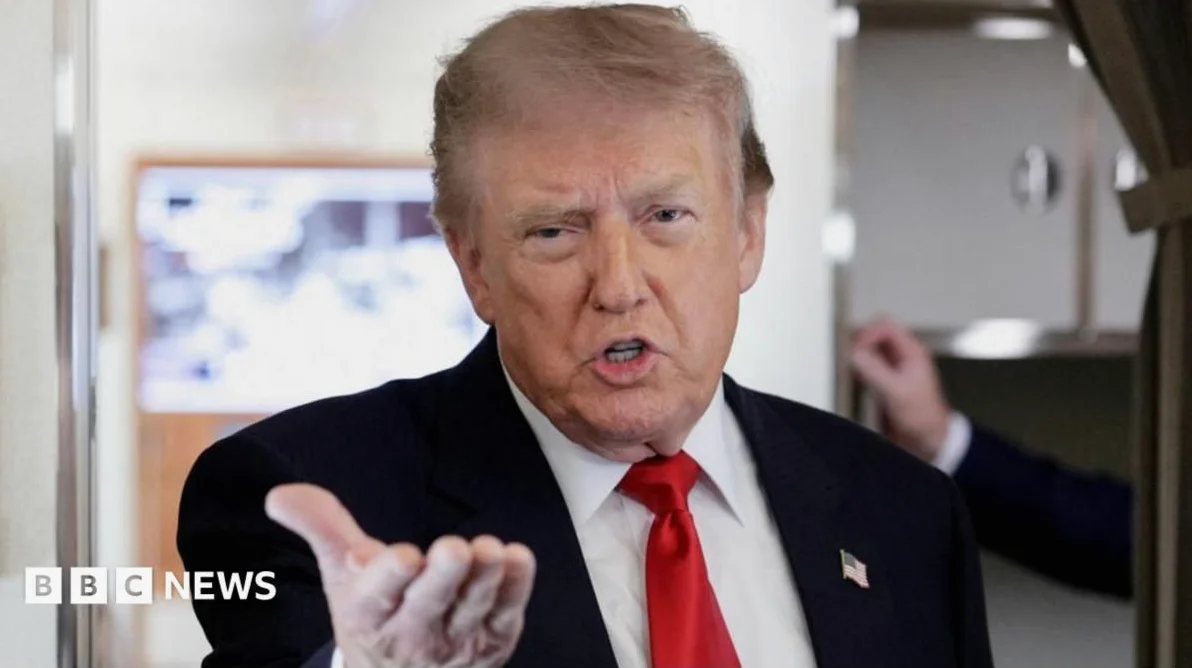
A temporary pause in U.S.-Iran hostilities is in place, with President Donald Trump dismissing concerns over dwindling U.S. munitions stockpiles; According to reports, Trump is allowing space for talks as diplomatic efforts unfold. The lull follows nearly two weeks of U.S. strikes against Iran in retaliation for attacks on ships in the Strait of Hormuz.
U.S. and Iran Enter an Uneasy Lull in Fighting
U.S. forces refrained from launching airstrikes on Iran for three consecutive days through July 26 local time, following instructions from President Trump; Iran also halted its retaliatory operations over the past two days in response to the pause in U.S. attacks. According to a report by Axios. Trump was briefed on new strike plans targeting Iran’s southern coast and the Strait of Hormuz on July 24 but chose not to approve them, and U.S. military officials have raised concerns about depleted munitions and a shortage of interceptors, according to sources.
General Dan Caine. Chairman of the Joint Chiefs of Staff, reportedly cautioned President Trump on Friday that continuing the campaign would severely strain critical munitions reserves. Reuters corroborated this stance, quoting a senior Iranian official who stated that Tehran’s policy remains “attack for attack,” meaning if U.S. strikes pause, Iran will likewise suspend its military operations.
Trump Dismisses Stockpile Concerns, Attributes Supplies to Biden
Trump insisted on Monday that the U.S. has “plenty” of ordnance. “We have a lot of ammunition, different types,” he told reporters on Air Force One while flying to Michigan. Trump also cast blame on former President Joe Biden, saying his predecessor “gave a lot to Ukraine, and so we’re building that up, but we have a lot.” “We have a lot of the mid-level stuff too,” Trump added. “I mean, more than we could ever use, no matter what.”
Trump was also expected to meet with Israeli Prime Minister Benjamin Netanyahu, who had co-launched the war against Iran nearly five months earlier. The two leaders will primarily discuss Iran, according to a post by Netanyahu on X. “Our goal is clear: to safeguard Israel’s security, strengthen its power, and expand the circle of peace around us,” Netanyahu wrote.
Oil Prices Plummet Amid Hopes for Diplomacy
West Texas Intermediate (WTI) oil price opened at a bearish gap, down by over 7%, trading around $82.50 per barrel during the Asian hours on Monday. Crude oil prices declined after the U.S. and Iran paused strikes over the weekend. The brief halt has raised hopes for a diplomatic resolution that could de-escalate the broader conflict and eventually allow commercial shipping to safely resume through the Strait of Hormuz.
U.S. Ambassador to the United Nations Mike Waltz noted that while American forces remain “locked and loaded,” President Trump wants to create space for potential negotiations. Waltz added that Iran’s negotiators appear divided, with some seeking guidance from Supreme Leader Ayatollah Mojtaba Khamenei while others favor a different path. U.S. equities soared in Monday morning’s trade after the strikes between the United States and Iran came to a pause over the weekend.
The Dow Jones Industrial Average (DJIA) soared more than 660 points to rise to 52,608 before paring some of the gains. The S&P 500 index gained about 0.8%, while the Nasdaq Composite rose about 0.7%. U.S. West Texas Intermediate (WTI) crude futures expiring in September were down 6.06%, hovering around $83.92 a barrel. Brent crude futures expiring in September fell 5.24% to hover around $86.88 a barrel.





Comments
No comments yet
Be the first to share your thoughts