

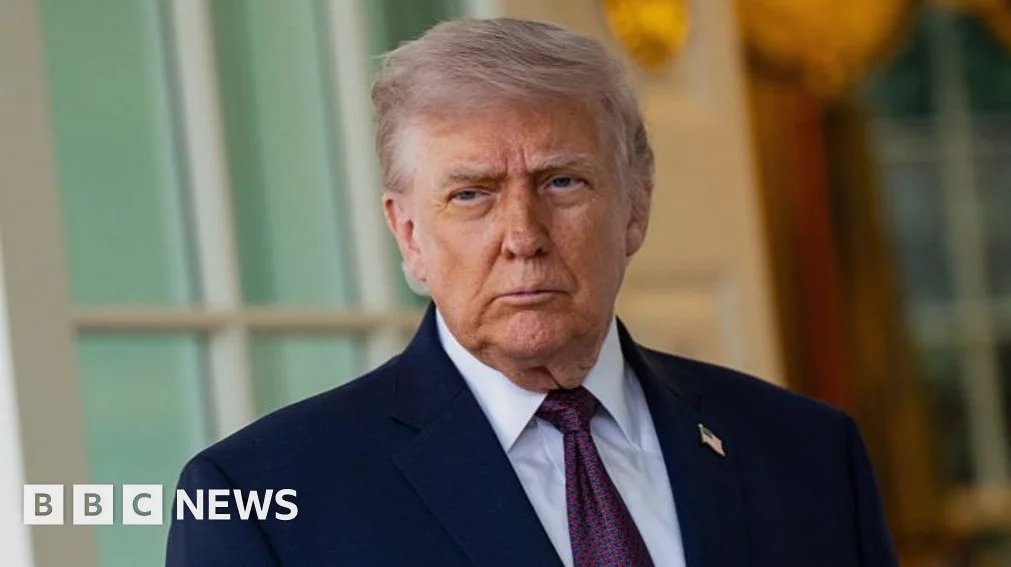
U.S. President Donald Trump agreed to a two-week ceasefire with Iran, less than two hours before his deadline for Tehran to reopen the Strait of Hormuz or face devastating attacks on its civilian infrastructure, according to MyJoyOnline. This abrupt turnaround came after Trump earlier warned that ‘a whole civilisation will die tonight’ if his demands were not met — Pakistan’s military chief, Field Marshal Asim Munir, and Prime Minister Shehbaz Sharif helped mediate the ceasefire.
Peace Deal and Economic Impacts
Trump stated that the last-minute deal was subject to Iran’s agreement to pause its blockade of oil and gas supplies through the strait, which typically handles about one-fifth of global oil shipments. Iranian Foreign Minister Abbas Araqchi said in a statement that Tehran would cease counter-attacks and provide safe passage through the waterway if attacks against it stop.
Oil prices slid below $100 after Trump announced the two-week ceasefire, with analysts noting that the U.S. had received a 10-point proposal from Iran, which he called a workable basis to negotiate. According to MyJoyOnline. The deal could pave the way for a more permanent reopening but still requires resolving several issues.
Geopolitical Tensions and Market Reactions
Global markets remained on edge as geopolitical tensions and corporate developments drove volatility across asset classes, according to CryptoRank, though the U.S. escalated pressure on Iran with a blockade in the Strait of Hormuz, and oil prices surged on supply fears. Trump stated. ‘We can’t let a country blackmail or extort the world, because that’s what they’re doing,’ after the blockade took effect at 10 a.m. ET.
Iranian officials responded with warnings that the blockade could push global energy prices higher, highlighting the broader economic risks tied to the conflict. Crude oil prices spiked above $100 per barrel amid concerns over supply disruptions linked to the Strait of Hormuz, a critical route that handles roughly 20% of global oil and liquefied natural gas flows, according to CryptoRank.
Gold and Cryptocurrency Markets
Gold struggled to extend recovery beyond the 100-hour simple moving average as rising U.S. bond yields capped gains, according to TMGM, while the U.S.-Iran standoff over the Strait of Hormuz tempers hopes for more peace talks before the current ceasefire ends on April 22. The U.S. Navy intercepted and seized an Iranian-flagged cargo ship in the Gulf of Oman as part of its blockade.
Bitcoin traders are already betting the wider U.S.-Iran ceasefire will hold, according to TradingView — Data from prediction market Polymarket puts the odds of a permanent peace deal by April 22 at 23%. The move came within hours of Trump announcing a 10-day ceasefire between Israel and Lebanon, which had been quietly taking shape following direct talks between the two countries on U.S. soil the day before.
Bitcoin had already touched a multi-month peak of $76,000 earlier this week, driven by growing optimism that the U.S.-Iran conflict could wind down; the war had weighed heavily on risk assets from its early days, with rising oil prices stoking inflation fears that kept investors cautious. As those concerns ease, money has started moving back into crypto.






Comments
No comments yet
Be the first to share your thoughts