

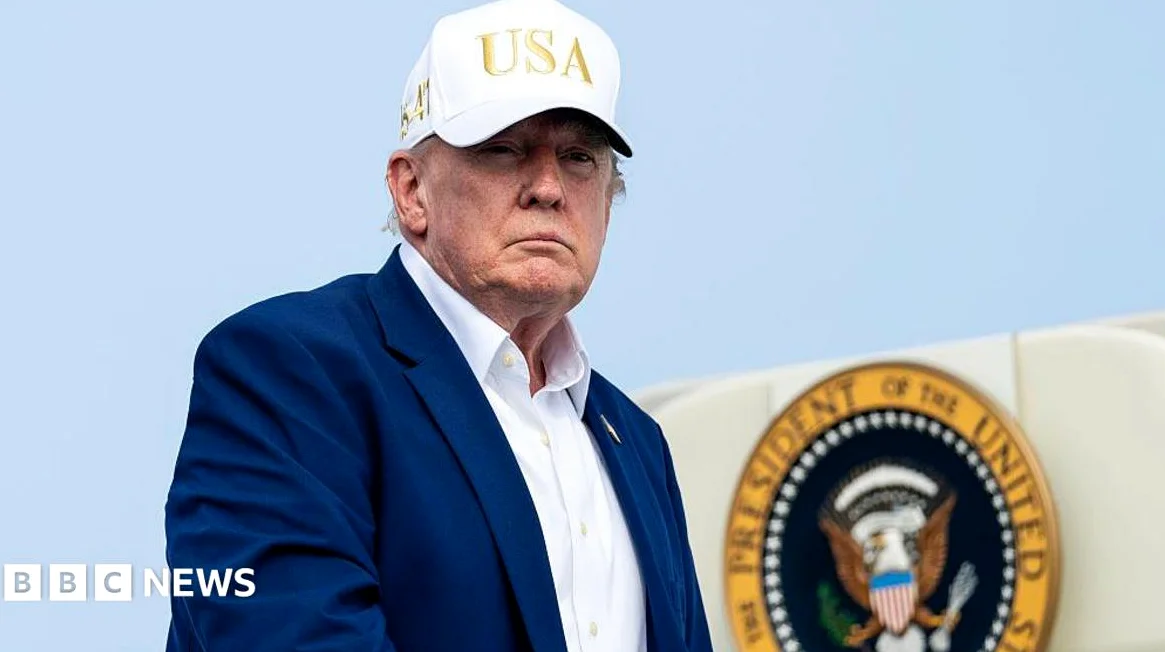
President-elect Donald Trump has promised to take a hardline stance on Iran, vowing to implement tougher economic measures against the country and its supporters; “Oil smuggling, swap lines, cash transfers, exchange houses, ship registries, front companies, it all needs to stop NOW. You know who you are,” Trump said, according to the-star.co.ke. These comments come a day after the United Arab Emirates (UAE), a U.S. ally, announced it would sever all financial and economic ties with Iran following a new missile threat from the country.
UAE’s response to Iran’s missile activity
The UAE’s defense ministry stated it had detected two ballistic missiles launched from Iran targeting maritime traffic, both of which landed in the sea, and Iran has long used Dubai’s financial system to transfer money through exchange houses and shell companies. Following the UAE’s decision, Iran’s armed forces warned neighboring Gulf countries against providing support to the U.S. military, stating that any assistance would be considered collusion.
Economic warfare intensifies
China, although not named by Trump, remains the biggest buyer of oil from Iran, a key source of funding for Tehran — Since the start of the war, Washington has sanctioned several so-called teapot refineries, privately owned oil processing plants, mostly based in Shandong province, eastern China. At the time, China’s Ministry of Commerce stated the sanctions were “in violation of international law and the basic norms governing international relations.” It also issued an order stipulating that the sanctions “shall not be recognised, enforced, or complied with.”
The BBC has contacted the Chinese embassy in Washington for comment in response to Trump’s latest post. Last week, U.S. Treasury Secretary Scott Bessent said the U.S. would soon impose economic isolation on Iran “like the world has never seen before.” In April, the U.S. Treasury Department and the Pentagon announced Operation Economic Fury.
Risk of U.S. military involvement
While the conflict between Israel and Iran remains largely bilateral, there is growing concern over potential U.S. involvement. Iran believes American forces endorsed and at least tacitly supported Israel’s recent attacks, according to the BBC. Iran could strike U.S. targets across the Middle East, including special forces camps in Iraq, military bases in the Gulf, and diplomatic missions in the region. Iran’s proxy forces — Hamas and Hezbollah, may be diminished, but its supportive militias in Iraq remain armed and intact.
The U.S. has withdrawn some personnel from the region and issued warnings to Iran about the consequences of attacking American targets. Military analysts say only the U.S. has the capability to strike Iran’s deepest nuclear facilities, such as Fordow. If an American citizen were to be killed in Tel Aviv or elsewhere, Trump might find himself forced to act, despite his pledge to avoid new conflicts in the Middle East.
Israel’s Prime Minister Benjamin Netanyahu has long been accused of wanting to draw the U.S. into helping defeat Iran. Many Republicans support both Israel’s government and its view that now is the time to seek government change in Tehran. However, if the U.S. were to become an active combatant, it would represent a huge escalation with potentially devastating consequences.

Comments
No comments yet
Be the first to share your thoughts