

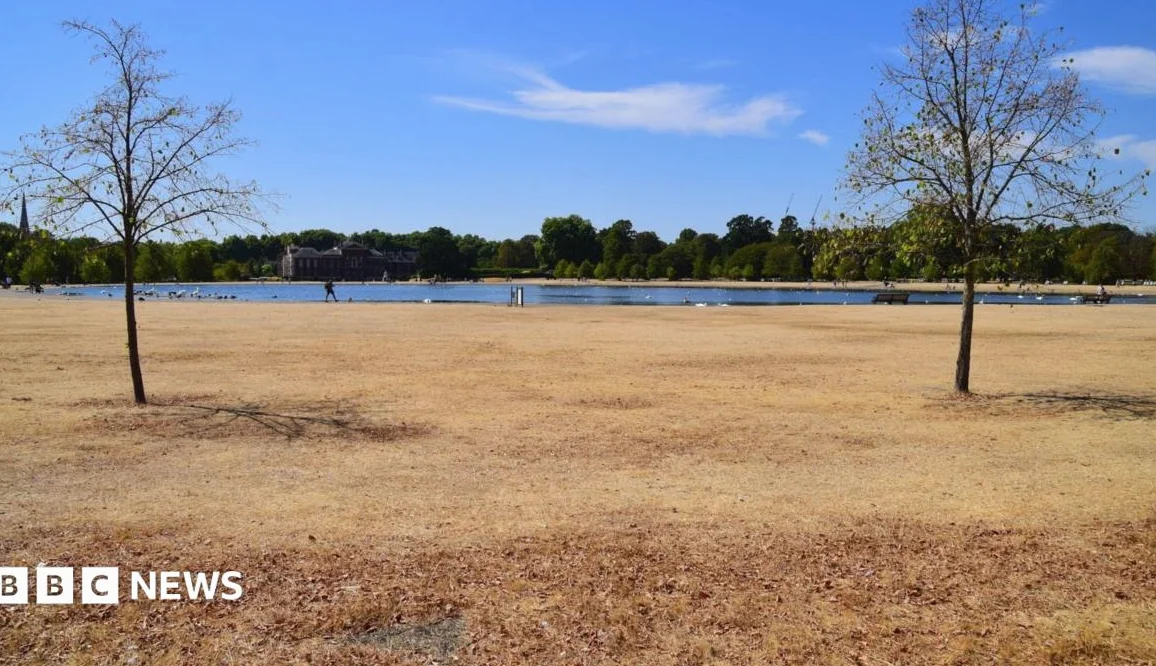
According to the Met Office, the summer of 2026 was the hottest on record for the United Kingdom, with an average mean temperature of 16.5C; this record-breaking summer followed another in 2025, both being the warmest since records began in 1884. In England, the peak temperature of 38.1C (100.1F) was recorded at Kew Gardens in London on 13 August, breaking previous records — the summer of 1976, once infamous for its heat, now ranks as the seventh warmest on record.
Heatwaves and Public Health Concerns
The UK Health Security Agency reported that an estimated 2,877 people had died during the May and June heatwaves alone; a study by Met Office scientists indicated that the summer’s record heat was made about 130 times more likely due to human-induced climate change. The minister for climate transition, Katie White, described the heat as a ‘harsh reminder’ of the climate crisis and its impacts on everyday life, as she highlighted the strain on health systems, agriculture, and emergency services during the heatwaves.
In response to the extreme heat, the Met Office issued a ‘red’ heat health alert for much of central and southern England, as well as Wales. This was only the second such warning ever issued in the UK, the first being in July 2022 when temperatures exceeded 40C (104F), while Mark Sidaway, deputy chief forecaster for the Met Office, warned of severe and significant impacts from the heatwave, including health risks for vulnerable populations.
Regional Impacts and Travel Disruptions
Travel was significantly affected by the heat, with many schools in England closed and train services cancelled — Eurostar cancelled four trains between London and Paris due to the expected adverse weather. The heatwave also impacted other parts of Europe, with Italy’s Ministry of Health declaring a red heatwave alert in 16 cities, including Milan and Rome — In France, the hottest day and night on record were measured, with temperatures reaching 44.3C in Pissos and 36C in Paris.
Within the UK, the Met Office forecasted temperatures of up to 39C in London and southern England, with the peak of the heatwave expected on 13 and 14 August. Conditions were expected to ease by Friday, according to the Met Office; In Wales, temperatures were expected to reach up to 35C. The heatwave also prompted a reduction in train services and a call for nonessential travel to be avoided.
Long-Term Drought and Climate Concerns
While the immediate impacts of the 2026 heatwave were significant, experts warn of long-term challenges. The National Drought Group noted that drought conditions persisted in many parts of the UK and warned that these conditions could last until 2026. Helen Wakeham, chair of the National Drought Group, emphasized the need for continued rainfall to ensure the recovery of water sources such as rivers, reservoirs, and groundwater. Despite recent rainfall, the group noted that much more is needed to avoid an extended drought.
Dr. Will Lang of the Met Office highlighted the ongoing drought concerns, noting that the spring of 2025 was the driest in 132 years and that the summer was the hottest on record. He stressed that without sustained and widespread rainfall, a stable recovery from the drought remains uncertain. While September saw above-average rainfall in many regions, October (up to the 28th) recorded only 77% of the average rainfall. Regional variations were significant, with the northwest recording 190% of the average rainfall, while the east recorded 100%.
Experts and officials have called for urgent action to address the growing impacts of climate change, including investing in climate-resilient health systems and accelerating climate action. The World Health Organization’s director, Tedros Adhanom Ghebreyesus, emphasized the need for leaders to prioritize these investments and mitigate the drivers of the climate crisis.





Comments
No comments yet
Be the first to share your thoughts