

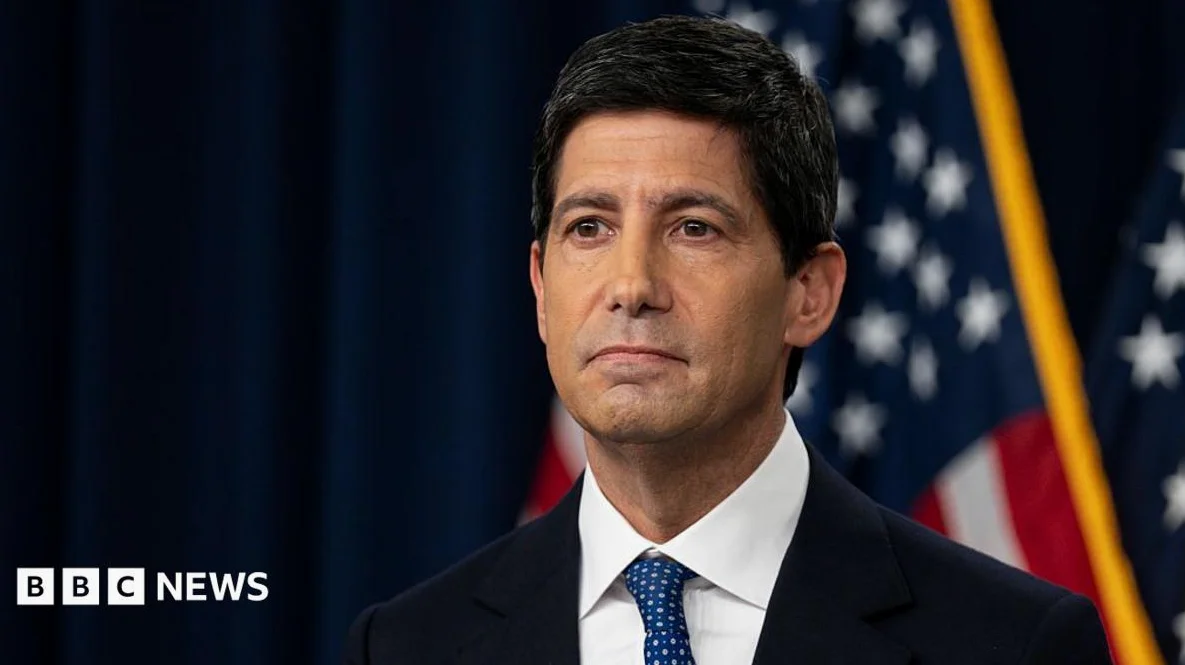
The U.S. Federal Reserve (Fed) increased interest rates for the first time since 2023, marking a significant shift in monetary policy as inflation remains stubbornly above the 2% target. Fed Chair Kevin Warsh emphasized the need to stabilize prices and signaled that the central bank may pursue further rate hikes later this year. According to the BBC, Warsh noted that inflation has been above the target for more than five years, a trend that has raised concerns among American voters about the affordability of essential goods and services.
Rate Hike in the Face of Political Pressure
The decision defied repeated calls from President Donald Trump, who has publicly criticized the Fed for not lowering rates, Trump claimed Warsh would not have been confirmed as chair if he were not willing to slash rates, but Warsh’s actions suggest otherwise. In a statement, the Fed acknowledged that “uncertainty remains elevated owing, in part, to geopolitical developments,” including the ongoing conflict between the U.S. and Iran, which has driven up fuel and other prices. According to NBC News, Trump responded to the rate hike by demanding, “LOWER THE INTEREST RATES FOR THE UNITED STATES OF AMERICA, AND FAST!”
Trump further argued that the U.S. has “the Best Credit in the World” and that rates “should be 1% or less.” However, as noted by NBC News, several countries—including Canada, Australia, and Germany—are actually rated higher by S&P. Fed Chair Warsh reiterated that the central bank must be confident inflation is moving toward its 2% goal “clearly and at sufficient speed.”
Global Market Reactions and Policy Implications
The Fed’s decision immediately affected global markets, as the Australian Dollar weakened below 0.7150 as traders braced for the rate hike, according to tmgm.com; Markets were pricing in a 92.4% chance of a 25-basis-point increase. Carol Kong, a currency strategist at the Commonwealth Bank of Australia, said a rate hike would likely provide a modest boost to the U.S. Dollar. Meanwhile, gold prices saw some positive traction as the U.S, though Dollar bulls turned cautious ahead of the announcement, according to the German tmgm.com report.
The Fed’s move also had implications for other central banks, In Australia, the Reserve Bank of Australia (RBA) has held the Official Cash Rate at 4.35% following three consecutive hikes earlier this year. Markets are now pricing in a 78% probability that the RBA will increase the rate to 4.60% at its next meeting; In Japan, the government highlighted its efforts to reduce the debt-to-GDP ratio, noting it is the smallest among G7 nations, as reported by note. Japan’s long-term interest rate recently exceeded 3% for the first time in 30 years, but officials refrained from commenting on the Fed’s decision.
Looking Ahead: Inflation, Growth, and the Path to Lower Rates
Warsh emphasized during his press conference that the Fed remains focused on stabilizing prices, particularly for lower-income Americans who are most affected by high inflation; the central bank’s policy action is expected to support a “timelier return to the Committee’s 2 percent goal,” according to the Fed’s statement. However, the decision also carries risks. Higher interest rates can discourage business investment and slow economic growth. As Brian Rehling of Wells Fargo noted, the Fed is “sending a clear message that the Fed will not tolerate inflation drifting further above target, even in the face of political pressure from the White House.”
Looking ahead, the Fed will release updated economic projections, including the so-called “dot plot,” which shows policymakers’ forecasts for future rates. The outcome of the rate hike and the Fed’s subsequent communication will be closely watched by global markets, particularly as energy prices remain volatile and geopolitical tensions persist.




Comments
No comments yet
Be the first to share your thoughts