

The Trump administration is proposing to delay and rescind legally enforceable limits on per- and polyfluoroalkyl substances (Pfas), or ‘forever chemicals,’ in drinking water, according to The Guardian. The Environmental Protection Agency (EPA) announced the plan, which must undergo an approval process that could take several years and is likely to face legal challenges. The original limits, set in 2023, marked the first new drinking water standards for contaminants in 27 years and were hailed as ‘historic’ by public health advocates.
Legal Waters in International Disputes
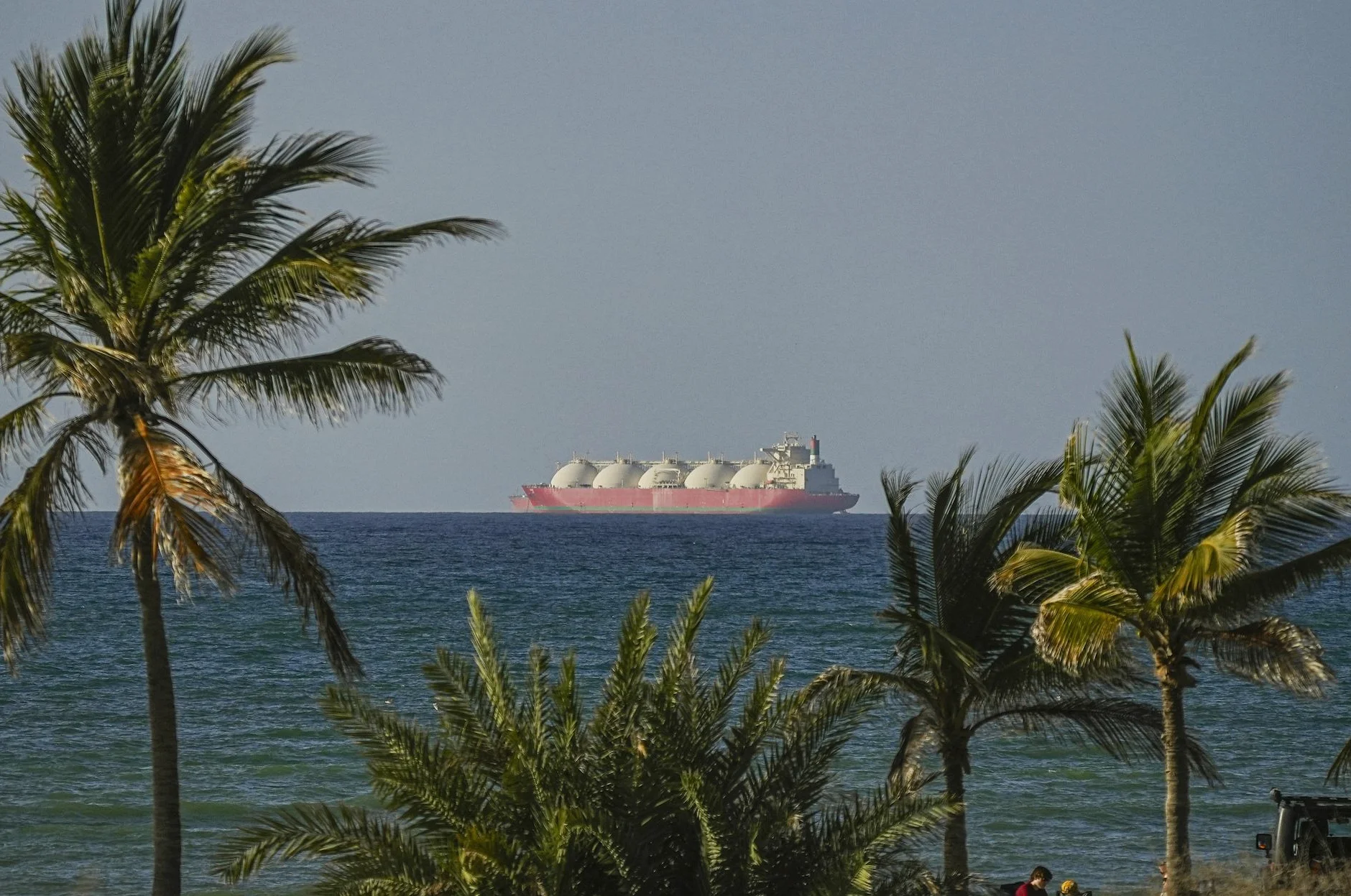
Legal disputes over waters extend beyond domestic policy. In the Persian Gulf, the U.S. and Iran have different legal interpretations of the Strait of Hormuz, a critical shipping route for 20% of the world’s oil, according to The Conversation. The U.S. considers the strait an international waterway, while Iran claims it is part of its territorial waters, but this divergence has led to tensions, including Iran’s toll-charging of ships and U.S. blockades, which Iran views as violations of sovereignty.
The United Nations Convention on the Law of the Sea (UNCLOS) is a key international framework governing maritime law, but neither the U.S. nor Iran have ratified it. This lack of a shared legal framework complicates efforts to resolve disputes and enforce international norms. As an expert in the law of the sea explains, ‘The U.S. and Iran are living in two different worlds when it comes to the international laws governing the strait.’
Environmental and Health Risks from Military Action
Military actions can have severe environmental and health consequences; In Iran, black rain fell after Israeli strikes on oil facilities, raising concerns about long-term effects on water and air quality, according to CBC. Scientists warn that the chemical mix from burning oil can cause severe health issues, including respiratory problems and chemical burns; the World Health Organization (WHO) issued a warning about the toxic pollutants, emphasizing the need for people to stay indoors.
Peter Ross, a pollution specialist, stated that the potential for long-term consequences is ‘very real.’ The Iranian Red Crescent Society also warned of serious lung damage and chemical burns. The black rain, mixed with acidic compounds, poses a direct threat to public health and environmental stability in the region.
Legal and Environmental Challenges in Deep-Sea Mining
Legal disputes are also emerging for deep-sea mining. The Trump administration has pushed for increased mining activity in international waters, which could lead to conflicts with the International Seabed Authority (ISA), the body most countries recognize as the sole authority over the high seas, according to Bloomberg Law News. The U.S. is not a party to the ISA, which was established in 1994 and has been ratified by 171 countries and the European Union.
Andrew Thaler, CEO of Blackbeard Biologic, noted that international law relies on the willingness of countries to enforce treaties. ‘That’s where things get hairy,’ he said. The ISA has expressed concern that unilateral actions by the U.S. could undermine decades of deep-sea governance; ISA Secretary-General Leticia Reis de Carvalho emphasized that ‘any unilateral action risks undermining the fundamental principles that have guided deep-sea governance for decades.’






Comments
No comments yet
Be the first to share your thoughts