

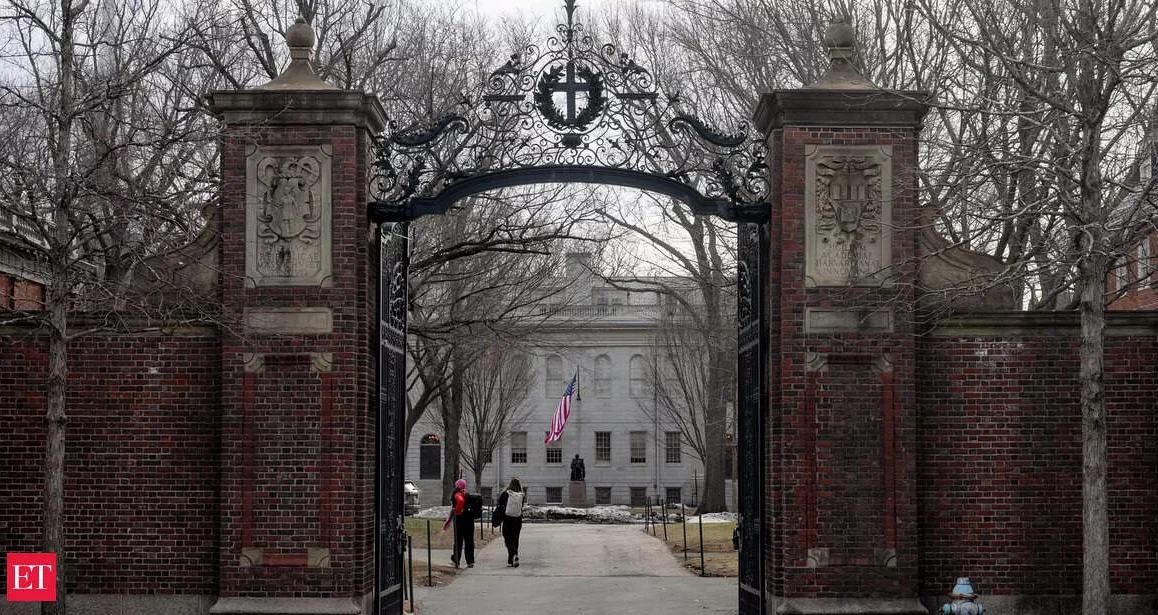
The United States government has filed a lawsuit against Harvard University, seeking billions of dollars for allegedly failing to protect Jewish and Israeli students from hostility on campus. The lawsuit, filed in Boston federal court by the U.S. Department of Justice, accuses Harvard of deliberate indifference to antisemitic and other forms of hostility, claiming that the university has effectively denied these students equal access to educational opportunities.
Legal Claims and Civil Rights Violations
The Department of Justice alleges that Harvard has intentionally refused to enforce its campus rules when victims are Jewish or Israeli students. The complaint states that Harvard’s actions sent a clear message to its Jewish and Israeli community that the indifference was not an accident but a deliberate exclusion.
The lawsuit cites Title VI of the Civil Rights Act of 1964, which prohibits discrimination based on race, color, and national origin in any program receiving federal funding. Harvard is set to receive more than $2.6 billion in taxpayer money from the U.S. Department of Health and Human Services alone, according to the complaint.
Harvard has not immediately responded to requests for comment. However, the university previously announced steps to address antisemitism on campus, including updating disciplinary processes and expanding training programs for faculty and staff.
Escalating Tensions Between Harvard and the White House
This lawsuit is part of a broader pattern of conflict between Harvard and the Trump administration. The White House has repeatedly challenged Harvard over alleged antisemitism on campus, especially since the outbreak of war between Israel and Hamas in October 2023.
Last year, the administration canceled hundreds of research grants to Harvard researchers, citing the university’s failure to stop harassment of Jewish students. Harvard has since sued the administration over these actions, and U.S. District Judge Allison Burroughs in Boston ruled that the administration had unlawfully terminated more than $2 billion in research grants.
Burroughs also blocked the administration’s effort to bar international students from attending classes, a move that the White House is appealing. The current lawsuit is the latest in a series of legal battles between the two parties.
Broader Context: Similar Actions Against Other Universities
Harvard is not the only university facing legal action from the Trump administration. In July 2024, Columbia University settled a similar dispute by agreeing to a $200 million penalty. The following month, the White House demanded $1 billion from the University of California, Los Angeles to resolve similar claims.
In February 2024, the government filed a lawsuit against Harvard for failing to comply with a federal investigation into whether the university illegally considered race in its admissions process. The administration had previously sought $1 billion from Harvard to settle probes into school policies, though it later dropped its demand for a $200 million payment.
The current lawsuit comes just months after reports indicated that Trump had abandoned his demand for a $200 million payment from Harvard. However, the administration has continued to press for accountability regarding the treatment of Jewish and Israeli students on campus.
Impact on Students and Campus Climate
The allegations against Harvard have significant implications for students, particularly Jewish and Israeli students who have reported experiencing harassment and discrimination. The lawsuit highlights concerns about the campus climate and the university’s ability to protect vulnerable groups from hostility.
According to the Department of Justice, Harvard’s failure to enforce its rules has created an environment where Jewish and Israeli students feel excluded and denied equal access to educational opportunities. The complaint describes this as a systemic issue that goes beyond individual incidents.
Harvard’s response to these allegations has included updates to disciplinary processes and expanded training programs aimed at addressing antisemitism. However, the university’s legal battles with the administration suggest that the issue remains unresolved.
What’s Next for Harvard and the Administration
The outcome of the lawsuit could have far-reaching implications for Harvard and the broader university sector. If the court rules in favor of the administration, it could set a precedent for how universities are held accountable for protecting students from discrimination.
The administration is also appealing the ruling from Judge Burroughs regarding the cancellation of research grants and the barring of international students. These legal challenges may influence how the government interacts with universities in the future.
Harvard’s legal team has yet to respond to the latest lawsuit, but the university’s history of challenging the administration suggests that the case will likely proceed through the courts for some time.
Significance for Ordinary People
The lawsuit highlights the broader issue of campus safety and the responsibility of universities to protect students from discrimination. For Jewish and Israeli students, the allegations highlight concerns about their treatment and the need for institutions to take proactive steps to ensure their well-being.
For the general public, the case raises questions about the role of the federal government in overseeing university policies and the potential impact of legal actions on educational institutions. The outcome could influence how universities balance compliance with federal regulations and their commitment to supporting inclusive environments.
What Analysts Say
Legal experts have noted that the lawsuit could set a precedent for how universities are held accountable for failing to protect students from discrimination. The allegations against Harvard are part of a larger trend of increased scrutiny of universities regarding their handling of campus climate issues.
Some analysts argue that the legal battles between the Trump administration and universities like Harvard reflect broader ideological differences about the role of higher education in society. The outcome of these cases may shape how universities are governed in the coming years.
The lawsuit against Harvard is a significant development in the ongoing conflict between the Trump administration and major U.S. universities. As the legal process unfolds, the case will likely have lasting implications for the relationship between the federal government and higher education institutions.



Comments
No comments yet
Be the first to share your thoughts