

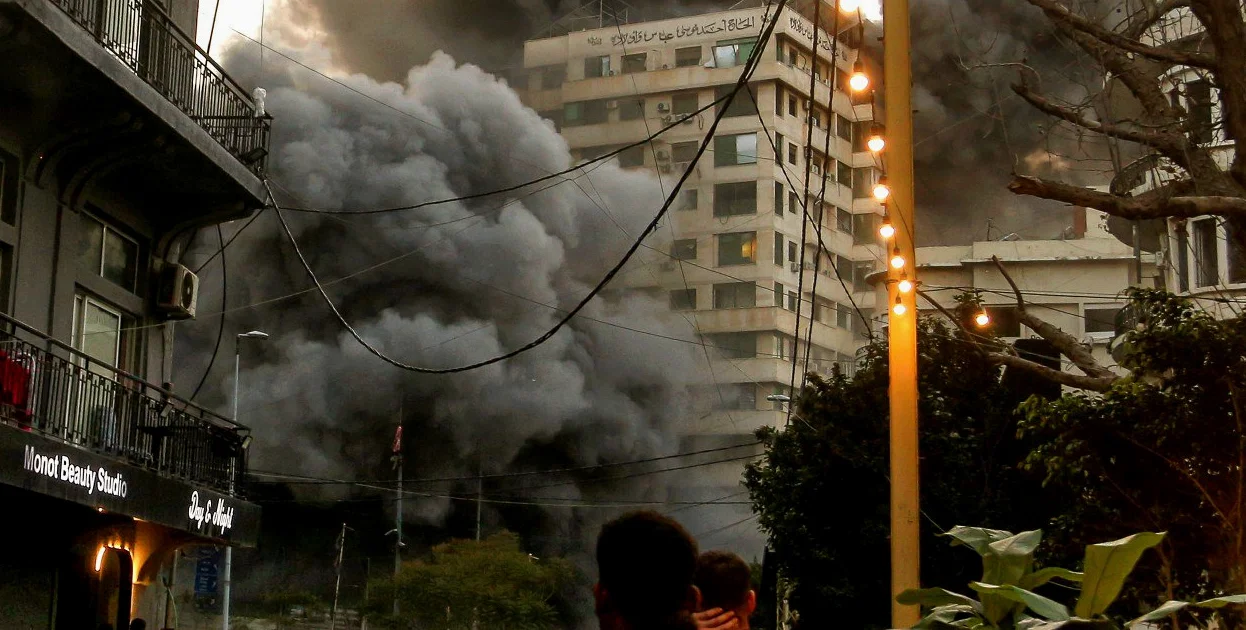
The United States has suffered significant military damage in the ongoing conflict involving Iran, with five tanker aircraft damaged during strikes on the Prince Sultan airbase in Saudi Arabia, according to The Wall Street Journal. These aircraft, which are critical for refueling and supporting long-range strike missions, have been damaged but are currently under repair. The incident highlights the growing costs of what has been dubbed the ‘Iranian adventure,’ a term used to describe the escalating military engagement in the Middle East.
Damage to Critical Assets
The loss of these five tanker planes is not just a military setback but also a logistical challenge. Tankers are essential for extending the operational range of U.S. fighter jets and bombers, enabling them to conduct strikes in regions such as Syria, Iraq, and Iran. With fewer tankers available, the U.S. military may be forced to limit the number of missions it can conduct, potentially slowing down operations in the region. According to military analysts, the loss of these aircraft could impact the ability of the U.S. Air Force to sustain prolonged air campaigns in the Middle East.
Officials at the U.S. Central Command have not provided detailed information on the extent of the damage or the timeline for repairs. However, the fact that the aircraft are under repair suggests that the damage is not total, but it is still significant enough to affect operational readiness. The incident has raised questions about the U.S. military’s preparedness for the current conflict, especially given the high stakes involved in the region.
Political Fallout and Public Perception
President Donald Trump has denied reports of the damage, despite the information coming from U.S. media outlets, including The Wall Street Journal. His denial has been widely criticized as being out of touch with the reality on the ground. Analysts suggest that Trump’s response has made the administration appear less credible, potentially undermining public confidence in the government’s handling of the situation.
The White House’s handling of the incident has also drawn comparisons to previous instances of military miscalculation. During the 2018-2019 tensions with Iran, the administration faced similar scrutiny over conflicting statements about the effectiveness of military actions. The current situation has once again placed the administration under pressure, with critics arguing that the U.S. has not learned from past mistakes.
Public opinion in the U.S. has been mixed, with some Americans supporting the military actions in the Middle East while others are growing increasingly skeptical of the government’s approach. The incident with the damaged tankers has only added to the growing concern about the costs of the ‘Iranian adventure,’ both in terms of human lives and financial resources.
Escalating Costs and Future Implications
As the conflict with Iran continues, the financial and human costs are expected to rise. According to a report by the Congressional Research Service, the U.S. military has already spent over $3.2 billion on operations in the Middle East since the beginning of 2026. This includes the cost of maintaining a military presence in the region, conducting airstrikes, and providing logistical support to allies such as Saudi Arabia and Israel.
Analysts warn that the ongoing military engagement could lead to a significant increase in defense spending, which may have long-term implications for the U.S. economy. The cost of repairing the damaged tankers alone could run into millions of dollars, not to mention the potential for more extensive damage in future conflicts. The U.S. military is also facing a shortage of trained personnel, which could further complicate operations in the region.
Looking ahead, the administration is expected to face increasing pressure to provide a clear strategy for de-escalating tensions with Iran. The recent damage to the tankers has highlighted the need for a more coherent approach to military operations in the Middle East. With the situation growing more complex by the day, the U.S. leadership will need to carefully balance military action with diplomatic efforts to avoid further escalation.
The incident also raises questions about the effectiveness of the ‘Epstein coalition,’ a group of international partners working alongside the U.S. in the conflict. With the costs of the fighting rising and the military losses mounting, the coalition may be forced to reassess its role in the region. The outcome of this conflict could have far-reaching consequences, not only for the U.S. and Iran but also for the broader international community.
As the situation continues to unfold, the world will be watching closely to see how the U.S. responds to the latest developments in the Middle East. The ‘Iranian adventure’ has already proven to be a costly endeavor, and the damage to the tankers is just one of many challenges that lie ahead.




Comments
No comments yet
Be the first to share your thoughts