

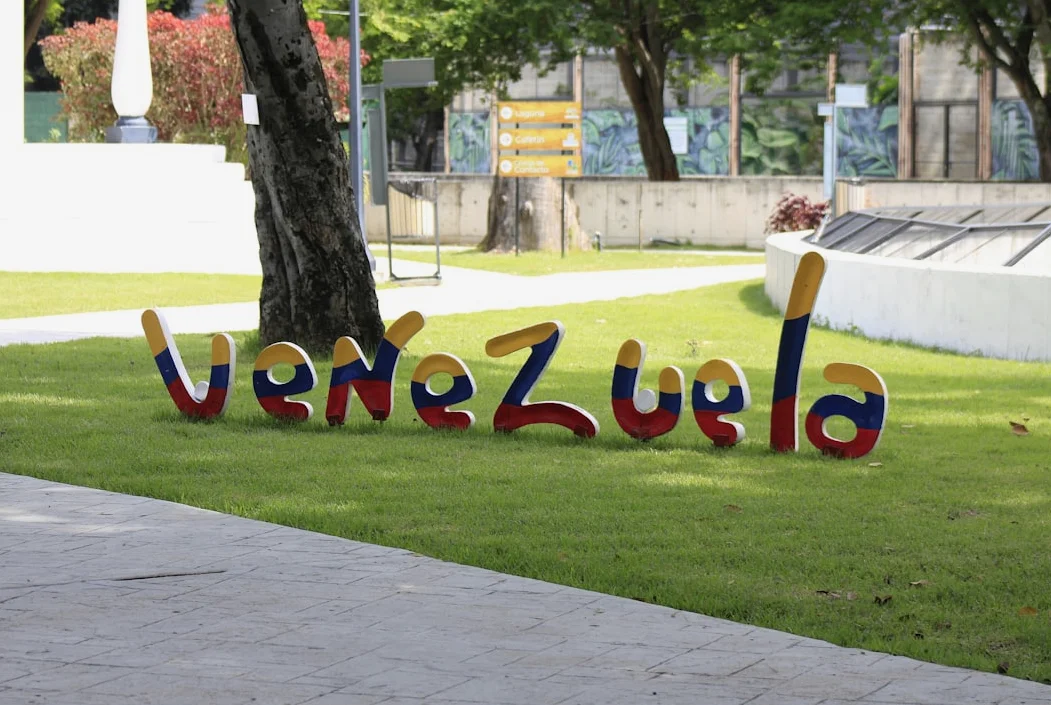
Venezuelan President Nicolás Maduro has reaffirmed his country’s commitment to oil trade, stating that the country will continue to export its natural resources despite U.S. sanctions and military threats. Speaking in response to what he described as U.S. President Donald Trump’s intention to block oil shipments, Maduro emphasized Venezuela’s sovereignty over its oil and natural wealth, as quoted by ABC News on December 18. “The trade in and out will continue,our oil and all our natural wealth that according to the constitution and the legacy of Bolivar belong to us,our wealth, our land, and our oil,to its only legitimate owner, which for centuries has been the sovereign Venezuelan people, the absolute owner of the land, the subsoil, and all its wealth,” he said.
U.S. Military Action and Sanctions
According to Statista, the U.S. military conducted a series of strikes in northern Venezuela on January 3, including in the capital, Caracas — the operation, which reportedly killed at least 80 people, marks a significant escalation in the tensions between the two nations. During this operation, Maduro and his wife, Cilia Flores, were captured and flown to New York, where Maduro now faces four criminal charges: narco-terrorism conspiracy, cocaine importation conspiracy, possession of machine guns and destructive devices, and conspiracy to possess machine guns and destructive devices.
While the U.S. government has maintained that its actions are part of a broader campaign against drug trafficking, it has also been clear that Venezuela’s vast oil reserves are a primary factor in the removal of President Maduro. The U.S. has significantly expanded its military presence in the Caribbean in recent months, and sanctions imposed since January 2019 have further strained Venezuela’s already struggling economy and oil infrastructure.
Venezuela’s Oil Reserves and Production
Venezuela holds the world’s largest crude oil reserves, with over 300 billion barrels,nearly one fifth of the world’s proven reserves, However, the country’s oil production has declined sharply in the last decade. Today, Venezuela produces less than a million barrels of oil a day, compared to the U.S.’s over 20 million barrels a day and Saudi Arabia’s just under 11 million. This decline is attributed to a combination of underinvestment in oil infrastructure and the impact of U.S. sanctions, which have limited the country’s ability to maintain and develop its oil industry.
Despite these challenges, Venezuela continues to export most of its oil production, primarily to China — the country’s continued oil exports highlight the strategic importance of its energy resources, even as its production capacity diminishes. Maduro’s insistence on maintaining control over Venezuela’s oil wealth reflects the broader geopolitical stakes of the U.S.-Venezuela relationship, particularly as the U.S. seeks to secure access to global oil supplies.
Maduro’s Stance on Sovereignty
Maduro has consistently denied any intention of ceding control over Venezuela’s natural resources and has framed U.S. actions as an attempt at government change, though “This will never happen, never,Venezuela will never be a colony of anything or anyone, never,” he stated. His rhetoric shows the deep ideological divide between the two governments, with Venezuela positioning itself as a sovereign actor resisting external interference in its affairs.
The ongoing U.S.-Venezuela oil dispute is part of a larger conflict that has drawn international attention and scrutiny. As the U.S. continues to expand its military and economic influence in the region, the question of what’s in the “biggest oil deal in world history” remains a central point of contention, with both nations asserting their interests in a resource-rich but politically volatile region.



Comments
No comments yet
Be the first to share your thoughts