

WASHINGTON — President Donald Trump’s sweeping 10% global tariff order will lower duties on imports from India to 10% from 18%, a White House official told CNBC. The reset applies to countries with existing U.S. trade agreements, including the European Union, Japan, South Korea, Switzerland and Liechtenstein.
The official, speaking on condition of anonymity, said the order overrides previous rates set higher last year. Vietnam faces a drop from 20%. Tariffs on UK goods stay at 10%.
India stood to benefit even without a finalized trade deal. The two nations had agreed to cut the general tariff on Indian exports from 50%—which included a 25% penalty over India’s energy trade with Russia—to 18%. Now that drops further under the global reset.
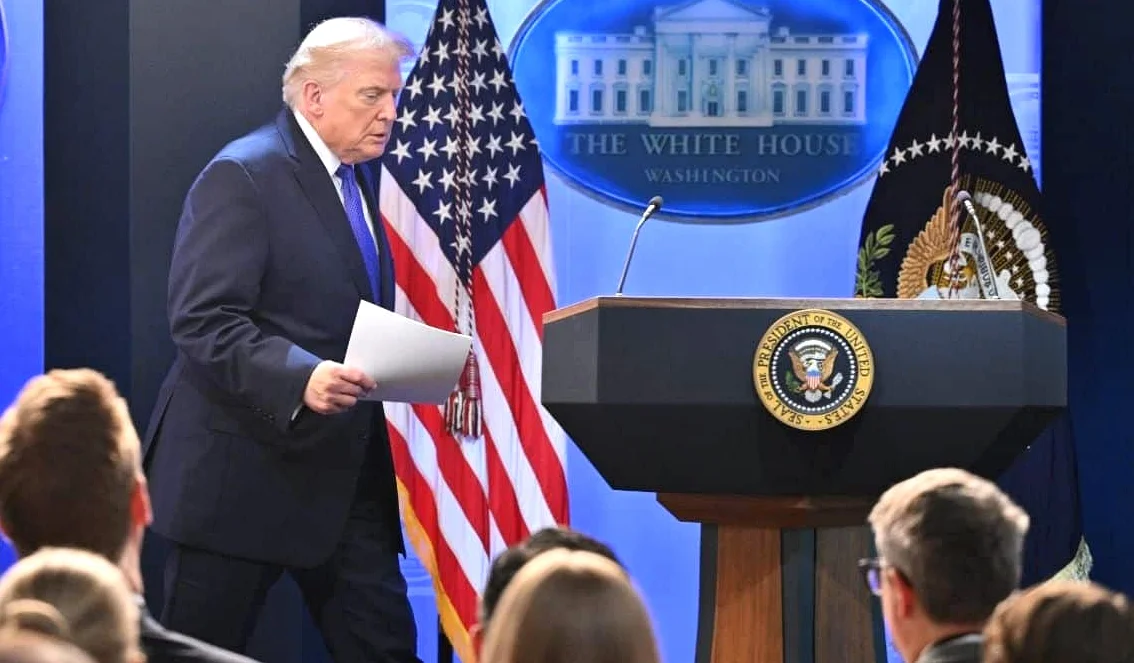
Trump’s comments earlier sowed confusion. Right after the Supreme Court ruled Friday that his reciprocal tariffs violated the law, he addressed reporters in the Brady Press Briefing Room. A journalist pressed him on the India deal.
“Nothing changes,” Trump said. “They’ll be paying tariffs, and we will not be paying tariffs.”
He praised Prime Minister Narendra Modi as a “great gentleman” but accused him of previously “ripping off” the U.S. “We made a deal with India, and it’s a fair deal now,” Trump added. “We are not paying tariffs to them, and they are paying tariffs. We didn’t flip.”
Those remarks came before Trump signed the global tariff order. The White House clarification to CNBC followed, addressing the gap.
The Supreme Court decision upended Trump’s earlier strategy. It declared unlawful the reciprocal tariffs imposed on all countries based on their duties on U.S. goods. Trump vowed alternative paths forward.
Officials emphasized the new order’s uniformity. It sets a flat 10% rate across major partners, simplifying the patchwork from last year’s hikes. India, still negotiating final deal language, joins others in the lowered bracket.
Trump arrived for the post-ruling press conference on February 20, 2026, fresh from the legal setback. He framed the tariffs as essential to balance trade. The global order marks his quickest response.
Markets reacted swiftly. U.S. stock futures dipped in after-hours trading. Indian exporters, from pharmaceuticals to textiles, eyed potential gains from the 10% rate.
The White House has not issued a formal statement beyond the CNBC briefing. Trump allies in Congress praised the reset as a win for American workers. Critics called it a haphazard retreat from the court loss.
Details on implementation remain sparse. Customs officials expect the 10% baseline to take effect within weeks. Exemptions for certain goods, like those under USMCA, appear untouched.
India’s commerce ministry declined immediate comment. Officials there track U.S. moves closely amid ongoing talks. Modi’s government has pushed for deeper cuts in separate negotiations.
The tariff saga highlights Trump’s aggressive trade stance. His first term saw duties on steel and aluminum. This round aims broader, though legal hurdles persist.
For now, the White House word holds: 10% for India and peers. Traders await written guidance to confirm.


Comments
No comments yet
Be the first to share your thoughts