

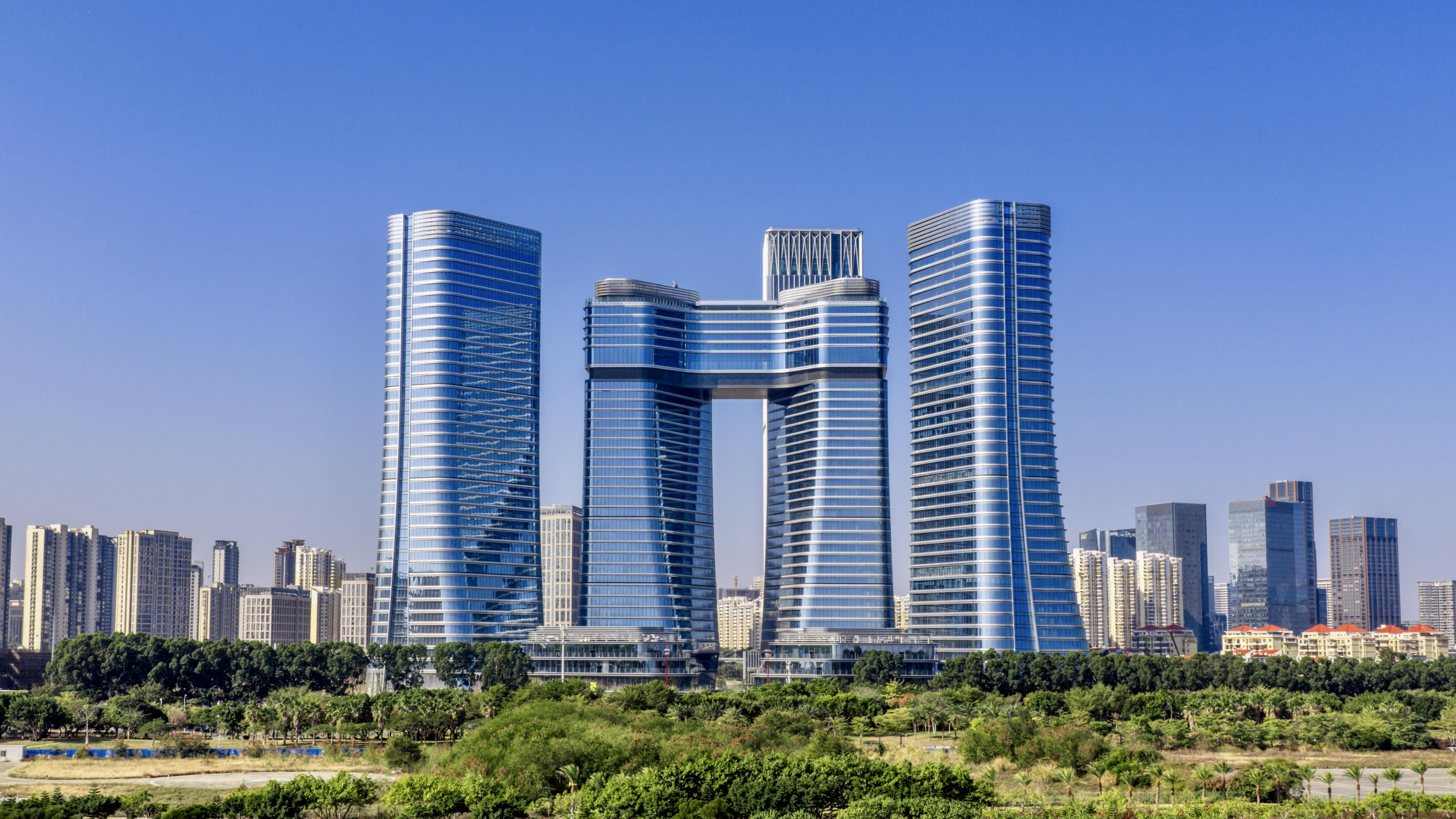
XIAMEN, China — Twelve years of construction, six billion yuan in investment, 130 design teams — Yinglan Group has raised a gateway on Xiamen’s coastline, its towers turned toward Taiwan.
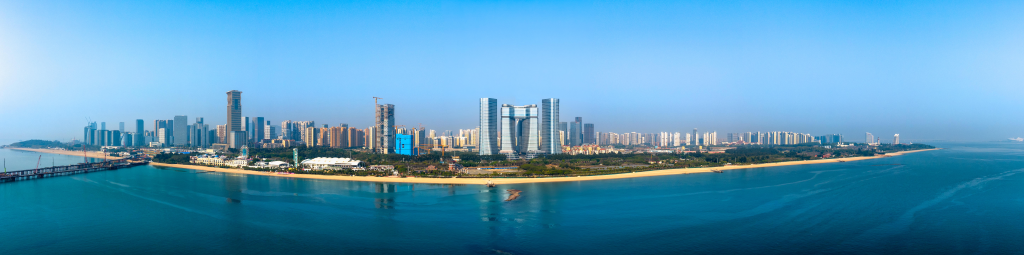
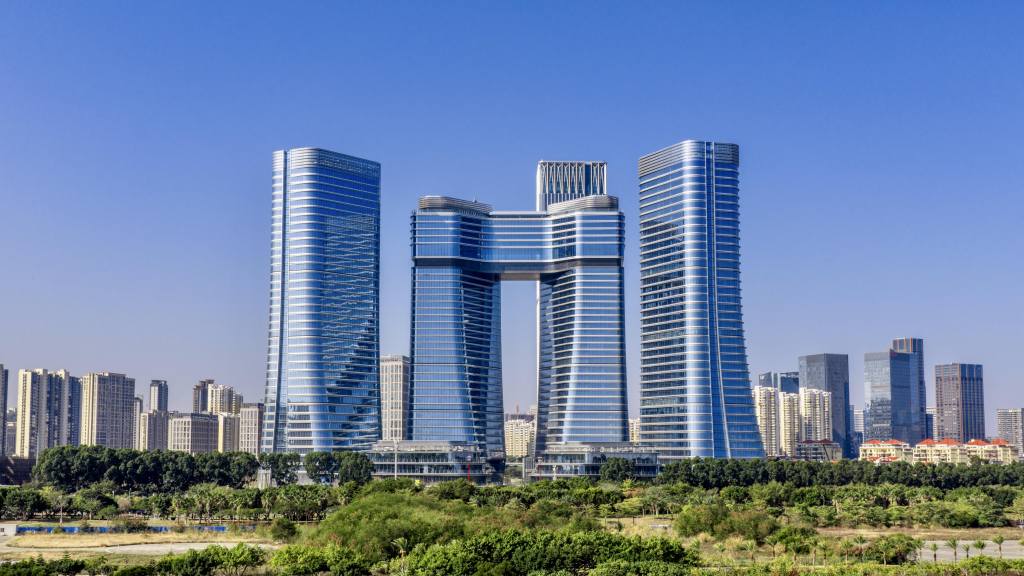
On a Tuesday morning, the sea breeze carried salt air up the Huandao Road seawall. Looking east, four towers leapt from the city skyline like a pair of outstretched arms, embracing the direction of the Taiwan Strait. On clear days, the Kinmen mountain range is visible. The designers say the complex’s central axis aligns with the geographic centerline of Taiwan Island. This was not a coincidence.
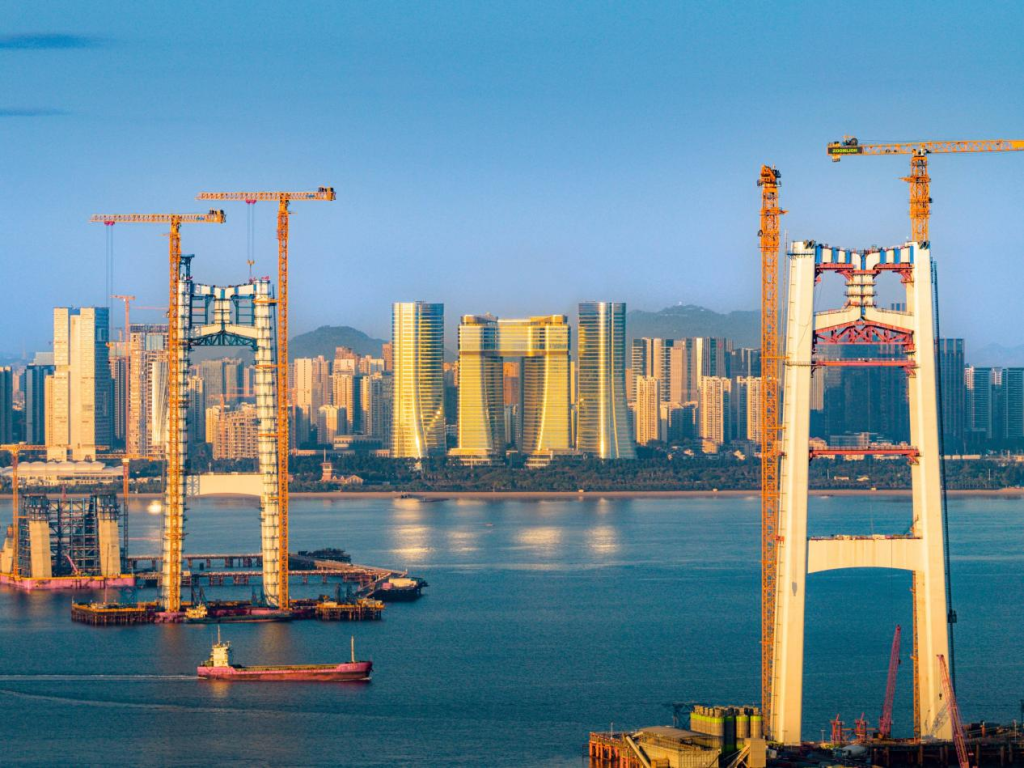
The Gate of Daxia
The Xiamen Yinglan International Financial Center took twelve years to build, with total investment exceeding six billion yuan. The 500,000-square-meter complex houses four types of functions: office towers, cultural and arts-focused retail, an art-design hotel, and serviced apartments. Yinglan Group gave it a secondary name: “The Gate of Daxia.” Xiamen’s ancient name is Daxia — a double meaning. The gate opens toward the other side of the strait.
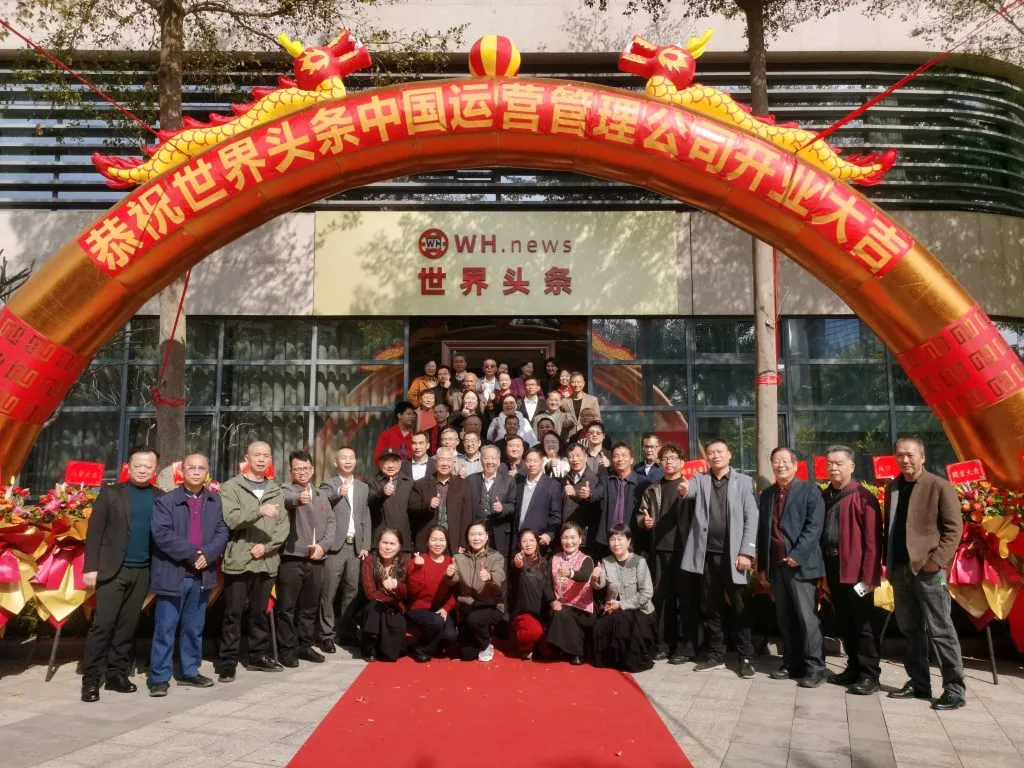
Recently, the international news platform World Headlines visited the complex on-site. The visit went beyond filming and reporting: both parties held in-depth discussions on Yinglan Group’s brand strategy, cultural and artistic programming, and the Xiamen project’s global leasing campaign. World Headlines learned that what Yinglan built in Xiamen has moved well beyond the conventional narrative of commercial real estate.
How far beyond? You have to go back forty years. Between 1985 and 1988, the leadership of Xiamen personally oversaw the compilation of the “Xiamen Economic and Social Development Strategy 1985–2000,” laying out near-, medium-, and long-term development phases, and explicitly proposing that Xiamen become “one of Asia’s financial centers by 2050.” The document sat dormant until 2010, when China’s State Council approved the establishment of the country’s only regional financial service center bearing the “cross-strait” designation in Xiamen. The parcel of land Yinglan secured sits at Xiamen Island’s nearest point to Taiwan.
The Robes of Mazu
When Stefan Krummeck of British firm TFP Farrells took on the project, he faced a thorny question: how to make a financial office building carry meaning beyond concrete and steel. His answer lay in the folk beliefs of coastal Fujian.
Mazu — the “guardian goddess of seafarers” in Chinese ocean culture — has for centuries watched over those setting out from these shores, blessing their safe return. Krummeck studied the arc of Mazu’s windswept robes in her statues and translated that line into the towers’ curved facades. From the water, the complex’s skyline resembles a frozen moment — the flutter of a goddess’s garments caught mid-motion by the sea breeze. This was not decorative gimmickry. In southern Fujian, the weight of Mazu worship is comparable to the Mediterranean’s reverence for the Virgin Mary — a spiritual landmark for generations of fishermen, sailors, and merchants. Krummeck wrapped modern architecture’s skeleton around that meaning, creating a visual bond between a financial tower and the ground it stands on.
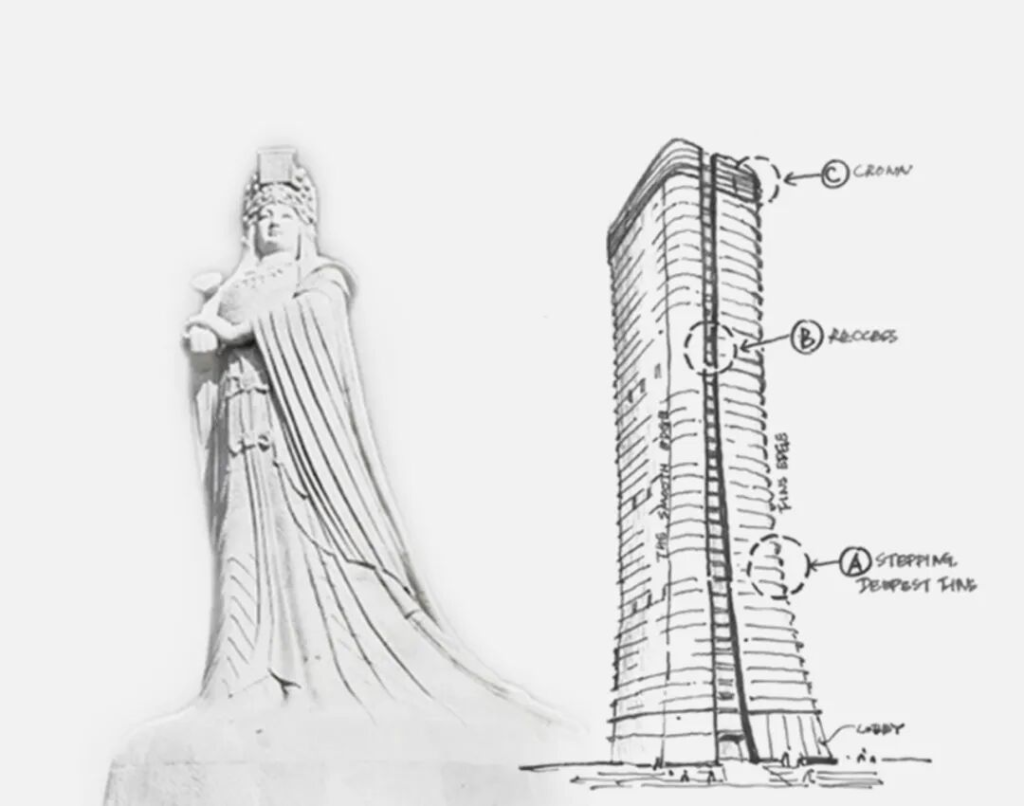
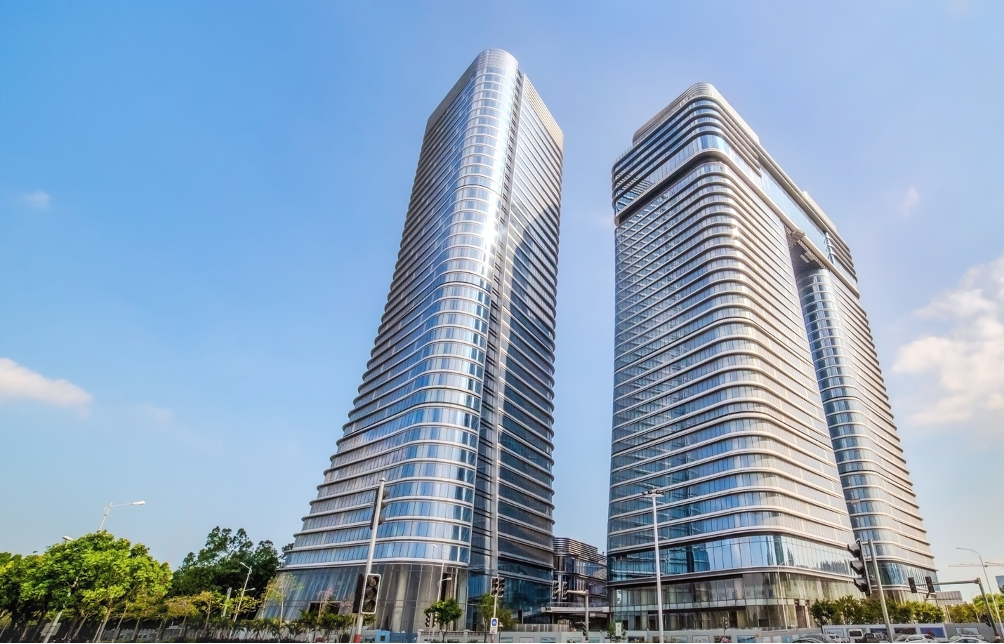
Behind him stood more than 130 domestic and international design and consulting teams — structural, curtain wall, mechanical, wind tunnel, acoustic. The entire complex was built atop rail transit infrastructure, making it a genuine metro-topped mixed-use development. In 2023, it won three five-star awards from the International Property Awards (IPA). In 2024, it captured three gold awards at the MUSE Design Awards in the architecture category, including the sole gold in “Landmark and Signature Buildings.”
No. 7 Financial Street
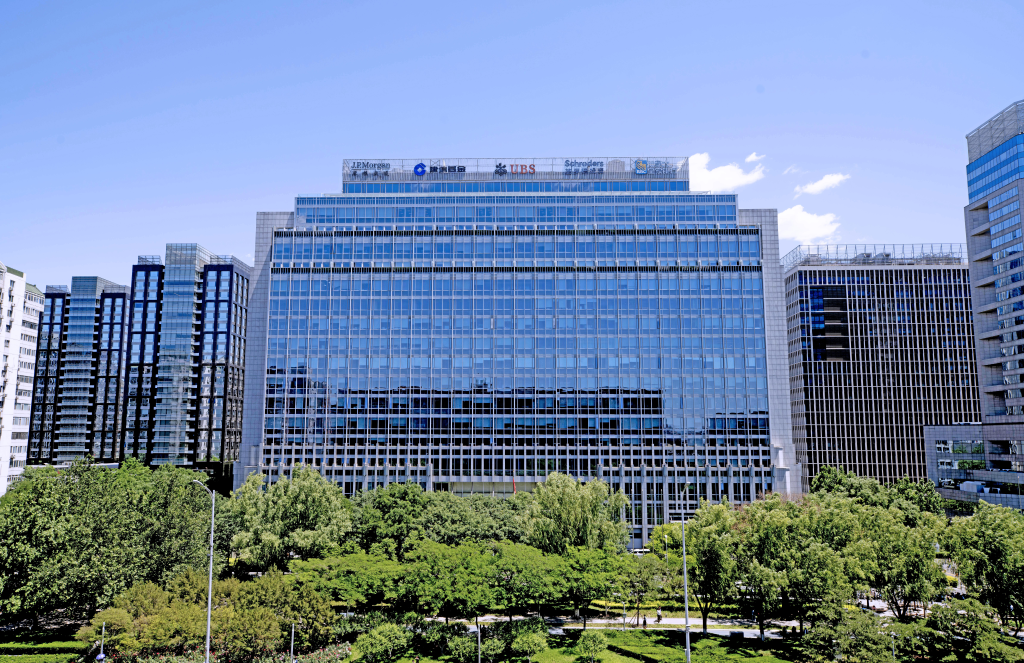
Yinglan is not a newcomer. The company’s Beijing Yinglan International Financial Center at No. 7 Financial Street — the capital’s equivalent of Wall Street — hosts a tenant roster that reads like a roll call of global financial power: Goldman Sachs, JPMorgan Chase, UBS, Wells Fargo, Bank of New York Mellon, Royal Bank of Canada, Temasek, HSBC, and others. More than 40 top-tier international financial institutions packed into a single address. In mainland China’s commercial real estate industry, no other property matches that concentration of clients.
Opera, White Porcelain, and a Fifty-Ton Steel Beast
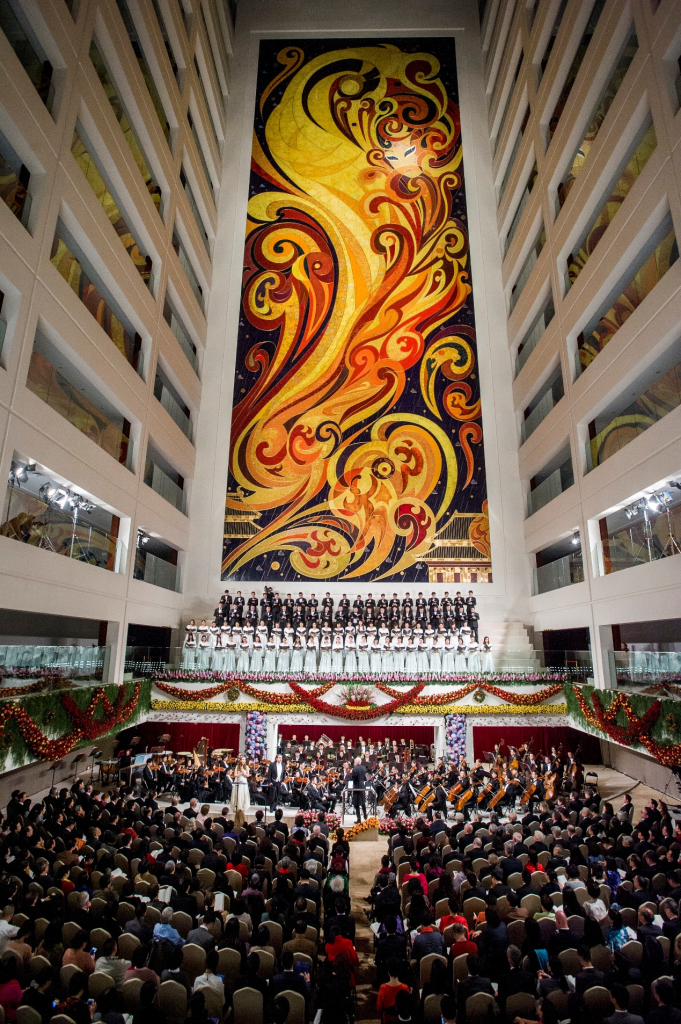
Yinglan’s founder Yu Zhiqiang has a line that circulates within the industry: “Financial centers are simultaneously cultural and artistic centers.” He has put those words into practice. Since 2006, Beijing Yinglan has hosted annual Christmas opera concerts, publishing nine opera book series and fourteen Blu-ray DVDs. A late-2010 New York Times report captured one such scene: financiers and diplomats in elegant evening dress, seated beneath a ten-story-high Puccini “Turandot” lacquer painting, listening to Viennese operetta accompanied by the China National Symphony Orchestra.
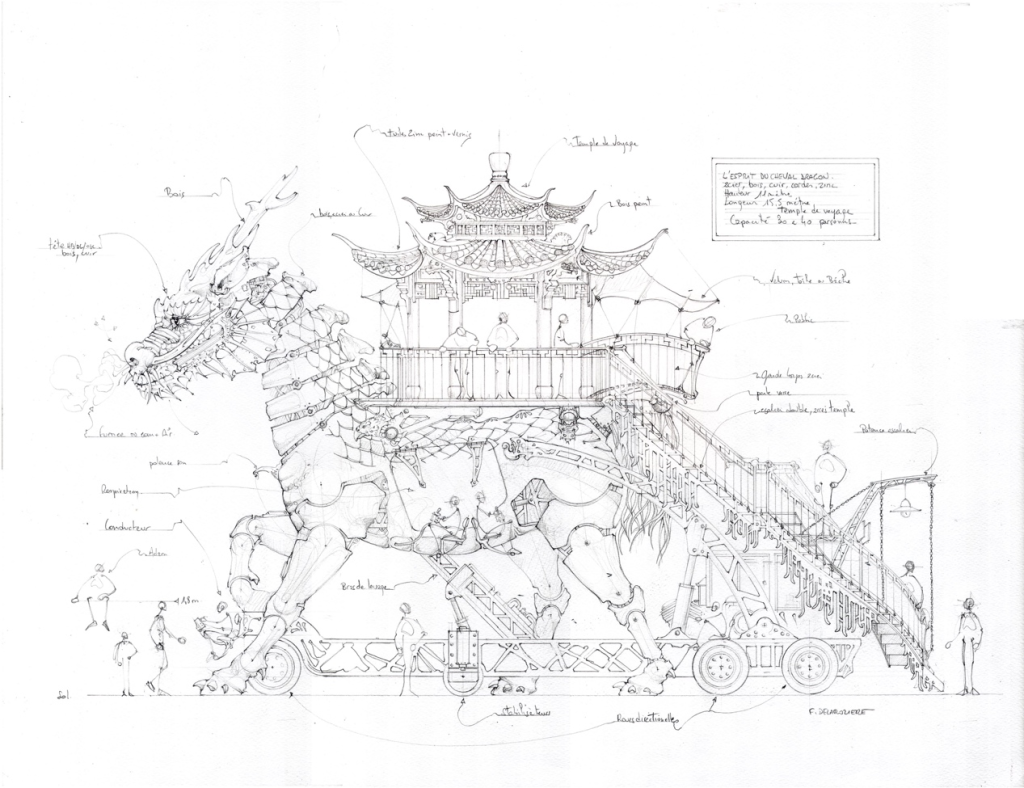
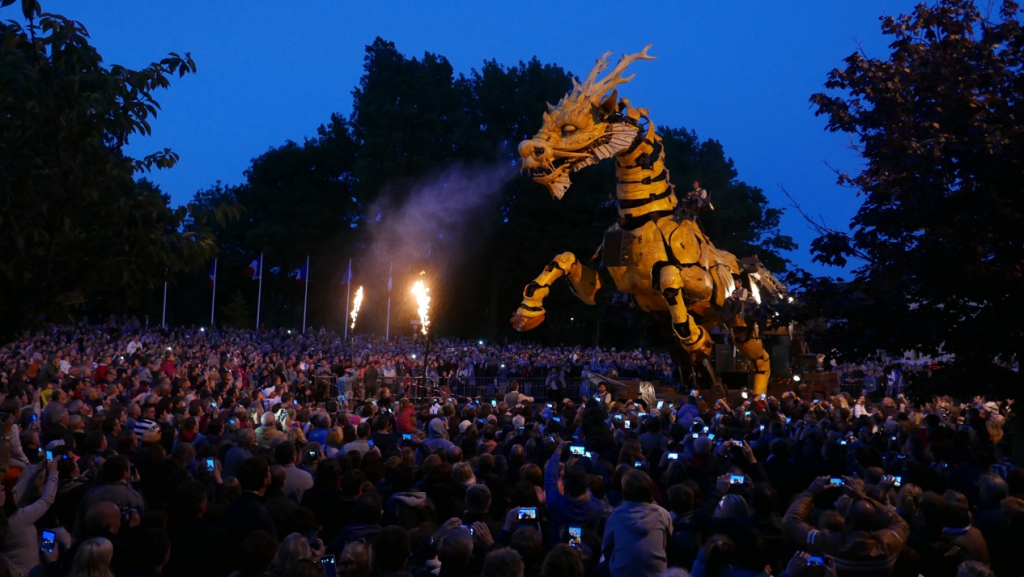
But Yinglan’s most spectacular artistic calling card is a fifty-ton steel beast. “Dragon Horse Spirit” — dragon head, horse body, nearly eighteen meters long, soaring over twelve meters high — was created by France’s La Machine company with hundreds of Chinese and French artists and engineers to celebrate the fiftieth anniversary of China-France diplomatic relations. After its 2014 Beijing premiere, the mechanical creature has toured to Nantes (France), Ottawa (Canada), Xi’an, Macau, Zhuhai, Hangzhou, and other cities. Millions worldwide have watched it awaken, walk through streets, and blast steam from its nostrils.
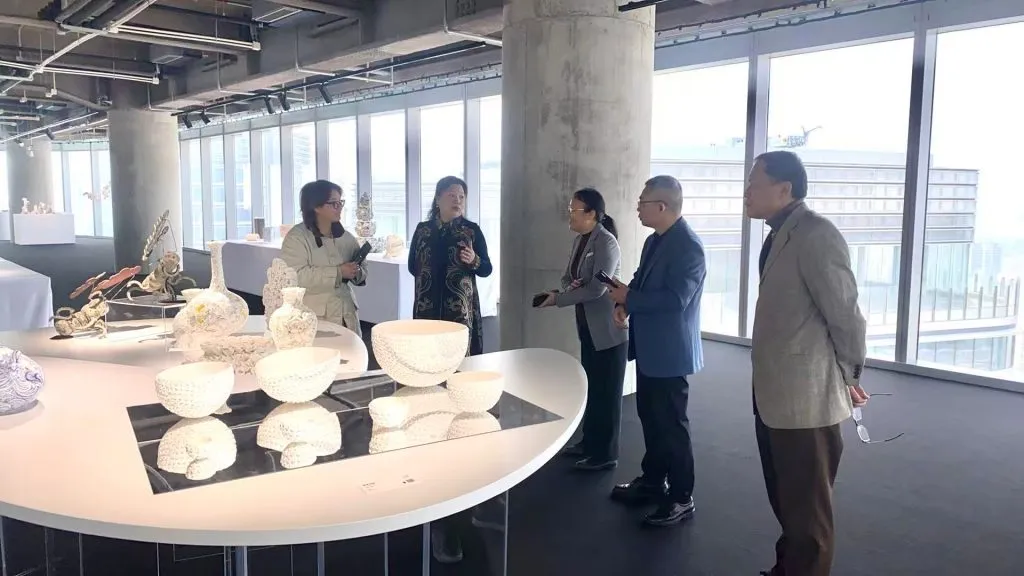
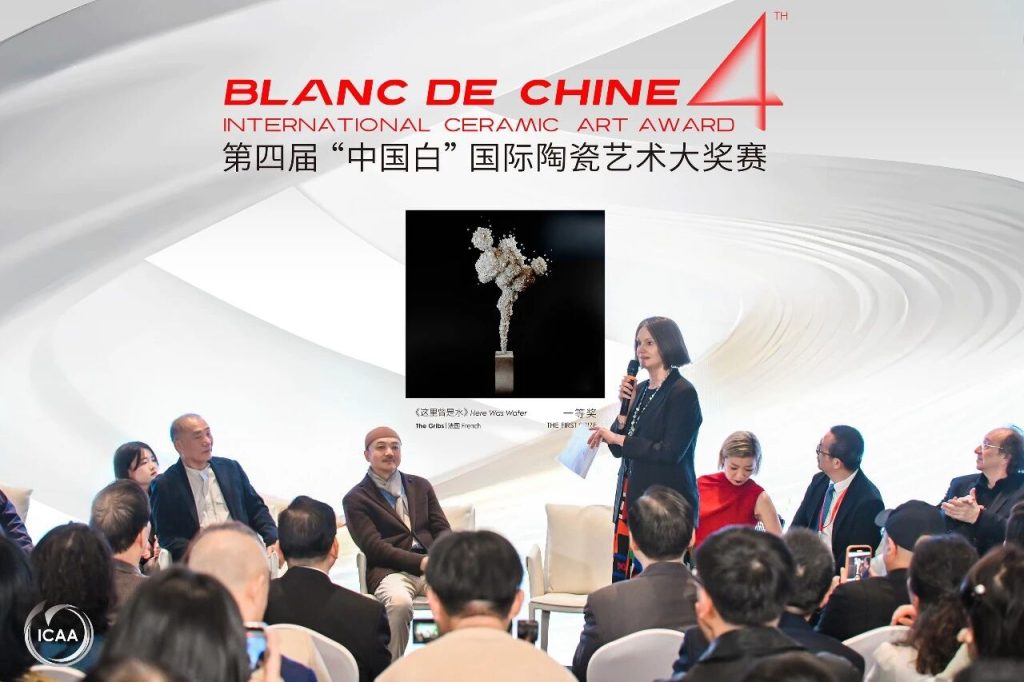
In ceramics, Yinglan’s “China White” International Ceramic Art Awards has held four editions, drawing more than 2,400 artists from 62 countries and regions. It now ranks as the world’s third-largest international ceramic competition, behind only Italy’s Faenza and Japan’s Mino. Selected works from the fourth edition are currently on exhibition at the Xiamen Yinglan International Financial Center.
A New Skyline Awaits
The Xiamen Yinglan International Financial Center complex is now operational and open for global leasing. After the Xiamen-Kinmen Bridge opens and Xiang’an Airport commences operations in 2026, travelers approaching Xiamen by sea and air will see a transformed skyline. Two towers’ open silhouettes stand on this side of the strait, facing east — “like a gate,” say its creators, “or like a pair of long-waiting arms.”
Source: Mazu News China (mazucn.com). Reporting by World Headlines.




Comments
No comments yet
Be the first to share your thoughts