

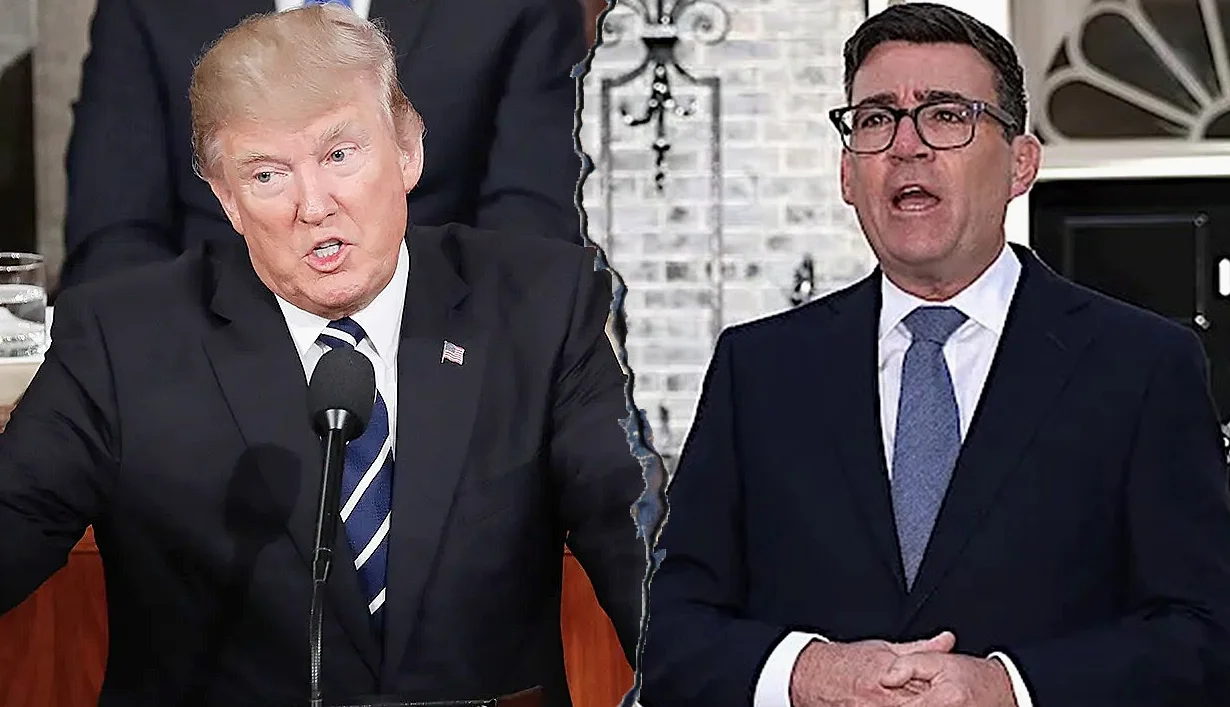
Prime Minister Andy Burnham has pledged to overturn 40 years of neoliberal economic policy and challenge the legacy of Margaret Thatcher — However, signals from the Treasury indicate a more measured approach. Chancellor John Healey, who recently gave a speech on growth policy, is expected to continue themes from his predecessor, Rachel Reeves, such as investment and devolution. According to The Guardian, early signs suggest that the October budget will follow a “steady as she goes” approach, with key decisions—including the timeline for meeting the 3% of GDP defense spending target,deferred until next year’s spending review.
Foreign Policy Shifts and Diplomatic Tensions
The UK is expected to announce trade restrictions targeting Israeli settlements in the West Bank, a move that could spark diplomatic friction with the United States. According to foxnews.com, the U.S. State Department said it was “tracking the plans closely,” while Israeli officials have already expressed strong pushback, but the measures, including an embargo on goods and services from West Bank settlements, are expected to be formally revealed by Foreign Secretary Ed Miliband. The announcement is anticipated to follow a phone call between Burnham and President Donald Trump on Monday, during which Burnham emphasized the importance of a two-state solution, according to a Downing Street readout.
Domestic and Regional Reforms
Burnham has also signaled a focus on reversing past policies, particularly those from the Thatcher era and the Brexit period. According to Frankfurter Rundschau, Burnham criticized the Thatcher-era privatizations and centralization policies as having led the country “in the wrong direction.” He has proposed bringing key services,such as water, energy, and transport,back into public ownership, arguing that this will reduce living costs and stimulate economic growth. The plan includes reforms to water utilities, energy, and public transport, as well as greater regional and local self-determination.
Opposition figures have challenged the feasibility of Burnham’s plans, as Conservative leader Kemi Badenoch accused him of living in the past and of wanting to return the UK to the 1970s. During his first question session in the House of Commons, Badenoch questioned where the funding for Burnham’s proposals would come from; Despite the criticism, Burnham remains focused on reducing inequality and revitalizing underfunded communities.
Migration and Security Cooperation with France
On the domestic front, Burnham has also taken a hardline stance on migration, aligning with French President Emmanuel Macron in a joint effort to curb crossings in the English Channel. According to World Socialist Web Site, the two leaders announced an increased deployment of police forces to deter migration. The move followed a meeting where they also discussed support for Ukraine’s war against Russia and strategies to protect European businesses in the context of an escalating global trade conflict. The meeting took place against a backdrop of heightened tensions with Russia and marked the first bilateral discussion since both leaders attended a pro-Ukraine coalition meeting in Kiew on the 35th anniversary of Ukrainian independence.
While Burnham’s vision includes reversing past policies and encouraging regional development, the practical implementation remains a challenge. With the Treasury appearing to move cautiously and international allies reacting to his foreign policy shifts, the success of his agenda will depend on balancing ambition with political and economic realities.


Comments
No comments yet
Be the first to share your thoughts