

 Associated Press
Iran’s President Masoud Pezeshkian has issued an apology to Gulf neighbors following a series of missile and drone strikes that have struck cities across the region. The strikes, which have triggered sirens in Bahrain and caused disruptions in Dubai, have raised questions about whether Tehran’s leadership has full control over its armed forces. Pezeshkian said he ordered the armed forces to halt attacks on nearby countries unless Iran itself is attacked, but he still rejected U.S. calls for ‘unconditional surrender.’
Regional Impact and Concerns
The strikes have caused significant disruptions in the Gulf, with Saudi Arabia reporting that it intercepted drones and a missile. The situation has sparked concerns among regional leaders about the potential for further escalation. Meanwhile, U.S. officials have warned that more intense bombing of Iran may be on the horizon. The conflict has also raised concerns about the safety of American personnel in the region, particularly after six U.S. soldiers were killed in a drone strike in Kuwait last week.
Saudi Arabia and other Gulf states have been closely monitoring the situation, with some expressing frustration over the lack of clarity in Iran’s military actions. The strikes have also highlighted the vulnerability of critical infrastructure in the region, with reports of damage to energy facilities in Kyiv and other areas of Ukraine, though that is a separate conflict.
Domestic and International Reactions
Within Iran, the apology from Pezeshkian has been seen as an attempt to quell domestic unrest and reassure regional allies. However, the rejection of ‘unconditional surrender’ has been interpreted by some as a signal that Iran is not backing down from its stance against U.S. influence in the region. The U.S. and its allies are closely watching the situation, with some experts warning that the conflict could spiral into a broader regional war.
Meanwhile, in Washington, concerns have been raised about the depletion of U.S. weapons stockpiles due to the ongoing conflict. Democrats and other lawmakers have expressed worries that the high demand for missile defense systems, particularly in Ukraine and Israel, could leave the U.S. vulnerable if the situation in the Middle East deteriorates further. The Trump administration has dismissed these concerns, asserting that American forces have all the weapons they need to conduct operations in Iran.
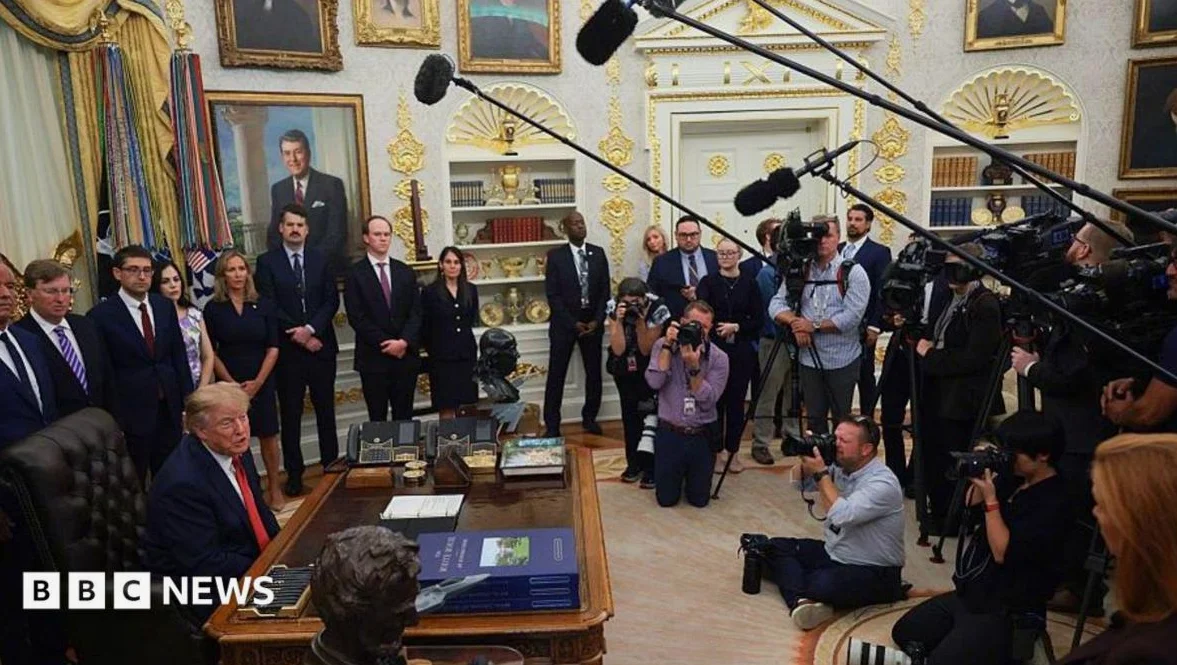
President Donald Trump has been vocal about his stance on the war, with plans to attend the dignified transfer of the six U.S. soldiers killed in the Middle East. Trump will join their families at Dover Air Force Base in Delaware as their remains return to the United States. The incident has highlighted the human cost of the conflict and the ongoing tensions between the U.S. and Iran.
Broader Implications and Economic Fallout
The ongoing conflict has had significant economic repercussions, with oil and gas prices surging as the war shows no signs of letting up. Oil prices have surpassed $90 a barrel, driven by disruptions in the Persian Gulf and damage to key oil and gas facilities in the Middle East. The disruption has led to increased costs for consumers and businesses, with some drivers already feeling the impact at the pump.
In addition to the regional conflict, other global events have also been unfolding. In Kenya, heavy rains have caused chaos in the capital, Nairobi, with 23 people killed and flights disrupted. The military was deployed to assist in rescue efforts as roads became impassable and vehicles were submerged in water. The situation has underscored the unpredictable nature of global events and the challenges faced by countries dealing with both natural disasters and geopolitical conflicts.
Meanwhile, in the United States, severe weather has also caused devastation, with tornadoes killing six people in Michigan and Oklahoma. The storms have left a trail of destruction, with homes being leveled and communities struggling to recover from the damage. The National Weather Service has warned that the risk of severe weather continues across the nation, adding to the challenges faced by affected regions.
As the situation in the Middle East continues to unfold, the world is watching closely for any signs of de-escalation or further escalation. The humanitarian and economic impacts of the conflict are becoming increasingly apparent, with the potential for long-term consequences for both the region and the global economy.



Comments
No comments yet
Be the first to share your thoughts