

 BBC
BBC 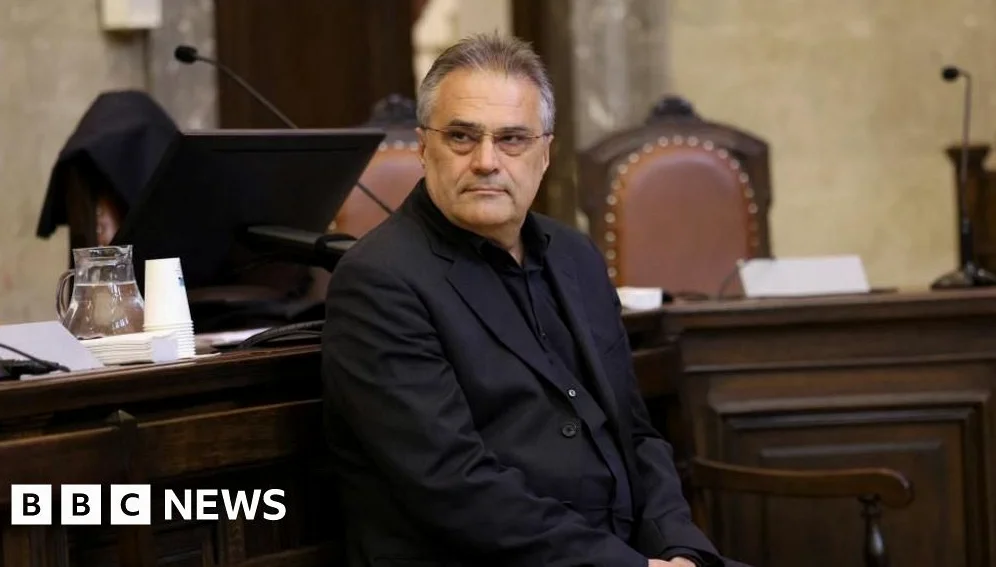
A former intelligence official. Egisto Ott. Has been convicted of spying for Russia, marking one of Austria’s largest spy cases in recent history, according to the BBC. Ott, 63, was found guilty of passing information to Russian intelligence officers and to Jan Marsalek, the fugitive executive of the collapsed German payments firm Wirecard. The verdict was reached by a jury in Vienna.
Sentence and Appeal
Ott, who denies the charges, has been sentenced to four years and one month in prison; his legal team has already announced an appeal against the verdict. In addition to the espionage charges. Ott was found guilty of misuse of office, bribery, aggravated fraud, and breach of trust.
Details of the Espionage
According to the court. Ott supported a “secret intelligence service of the Russian Federation” at the expense of the Republic of Austria, though he collected secret facts and a significant amount of personal data from police databases between 2015 and 2020. Prosecutors stated that Ott provided this information to Marsalek and unknown Russian intelligence representatives in exchange for payment.
Marsalek, also an Austrian citizen, is wanted by German police for alleged fraud and is believed to be in Moscow, having fled via Austria in 2020. He is also the subject of an Interpol Red Notice, meaning he could be arrested if found in any of the 196 member countries of the international police organization.
Prosecutors revealed that Marsalek had commissioned Ott to obtain a laptop containing secret electronic security hardware used by EU states for secure communication. The laptop was reportedly handed over to the Russian intelligence service. Ott was also found guilty of passing phone data from senior Austrian interior ministry officials to Russia. He had obtained the work phones after they were accidentally dropped into the River Danube during an interior ministry boating trip.
Alleged Motives and Denials
The prosecution stated that Ott was not driven by romantic feelings for Russia, but by financial motives and frustration with his job. In court, Ott denied the accusations, claiming he had not worked for Moscow but had instead carried out a covert operation in collaboration with a Western intelligence service.
The case has brought renewed attention to the alleged activities of Marsalek, who has since been charged with fraud and embezzlement. He is suspected of inflating Wirecard’s balance sheet total and sales volume. Marsalek is also believed to have been the controller of a group of Bulgarians who were convicted in London in 2025 of spying for Russia.
When Ott was arrested in 2024, Austria’s then Chancellor, Karl Nehammer, described the case as a “threat to democracy and our country’s national security.” The spy controversy has rekindled concerns that Austria remains a hub for Russian espionage activities.






Comments
No comments yet
Be the first to share your thoughts