

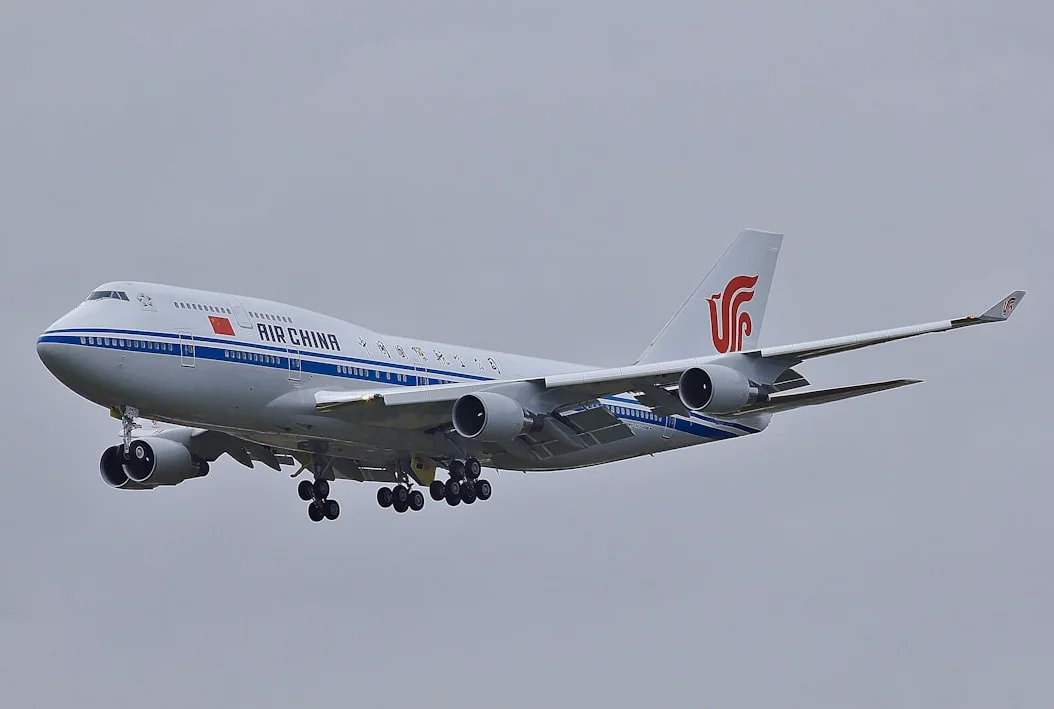
U.S. President Donald Trump announced Thursday that China has agreed to purchase 200 Boeing jets during a visit by Chinese President Xi Jinping, according to a clip aired on Fox News. “One thing he agreed to today, he’s going to order 200 jets. That’s a big thing. Boeings,” Trump told Fox News.
Industry Response and Analyst Expectations
Analysts had anticipated a significant aircraft order from China during Trump’s visit, though some had expected a larger deal, with Jefferies estimating the order could reach up to 500 aircraft. Boeing CEO Kelly Ortberg and other top executives from U.S. companies joined Trump on the trip. Ortberg had previously stated on a company earnings call that the U.S.-China summit could be a “meaningful opportunity for us” that could include an aircraft order. “I’m not going to give you the number of airplanes, but it’s a big number,” he said.
Boeing has not secured a major order from China in nearly a decade, despite the country buying aircraft from its main rival, Airbus, as Trump did not specify which aircraft China could purchase, though analysts speculated that the order might include hundreds of Boeing’s best-selling 737 Max planes. Boeing and the White House have not yet commented on the deal. Boeing shares were down nearly 4% in afternoon trading following the report.
Rising Competition in the Global Aviation Market
While the Boeing deal signals a potential shift in China’s procurement strategy, the country is also making strides in developing its own aviation capabilities through the state-owned manufacturer Comac. Comac recently began operating its first domestically developed passenger aircraft, the C919. Chinese President Xi Jinping has hailed the jet as a “milestone for the pursuit of self-determination” by the country.
The C919 competes directly with the Airbus A320 and the Boeing 737 Max, though its range of 4,075 kilometers is somewhat shorter than those of its established competitors. Despite these challenges, Comac has already secured orders for more than 1,000 C919 aircraft, according to Comac CEO He Dongfeng. The jet is currently operated by Air China, China Southern, and China Eastern.
Airbus CEO Guillaume Faury has acknowledged the potential for Comac to disrupt the existing duopoly in the aviation sector. “The sector could move from a duopoly to a potential triopoly,” Faury said, according to BusinessInsider. He noted that China accounts for about a fifth of global aircraft demand. If Comac can further develop the C919 and obtain certifications in Europe and the U.S., it could emerge as a genuine global competitor.
Long-Term Implications for the Aviation Sector
The potential Boeing order and the rise of Comac reflect broader shifts in the global aviation scene. While Boeing has long dominated the market alongside Airbus, China’s growing economic and technological influence is changing industry dynamics. The C919’s development and the potential Boeing deal highlight how China is positioning itself both as a consumer and a producer of commercial aircraft.
For now, the Boeing order remains unconfirmed by the company or the White House. Meanwhile, Comac continues to refine its aircraft and expand its customer base. The coming years will likely see increased competition in the aviation sector, with China’s ambitions challenging the long-standing dominance of Western manufacturers.




Comments
No comments yet
Be the first to share your thoughts