

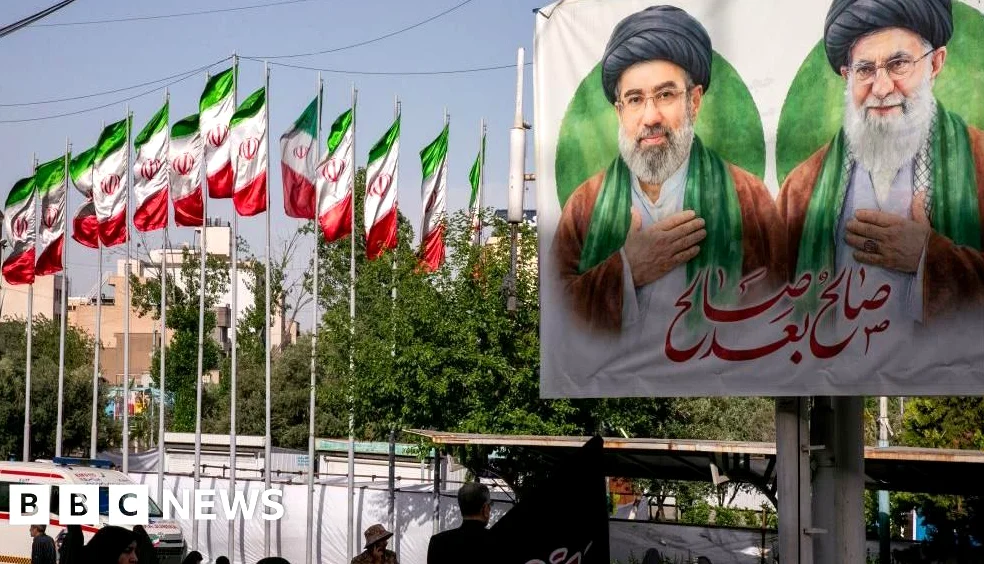
Iran’s Foreign Affairs Ministry spokesman Esmail Baghaei stated on Monday that while progress has been made in discussions, an agreement is not imminent. ‘It is true that we have reached conclusions on many issues under discussion, but no one can claim that this means an imminent agreement is about to be signed,’ he said, as reported by the hard-line Student News Network.
Progress and Remaining Challenges
A proposed memorandum of understanding reportedly includes a 60-day ceasefire extension, reopening the Strait of Hormuz, and a plan for further negotiations over Iran’s nuclear programme, according to BBC. The Strait of Hormuz, a important waterway through which 20% of the world’s oil and liquefied natural gas passes, has been blocked by Iran, causing global supply disruptions.
U.S. officials, including Senator Marco Rubio, have expressed cautious optimism. ‘We thought we might have some news last night. Maybe today,’ Rubio said in Delhi, while cautioning, ‘I wouldn’t read too much into it. It takes a little while to hear back from Iran.’ However, U.S. intelligence reportedly believes Supreme Leader Mojtaba Khamenei, who was injured in an Israeli strike that killed his father and predecessor, is in an undisclosed location, complicating communication with envoys and slowing the pace of negotiations.
U.S. and Iran’s Positions
U.S. President Donald Trump has alternated between expressing optimism and caution. On Saturday, he suggested the sides were ‘closing a deal,’ but later instructed negotiators ‘not to rush into’ one. On Monday, he reiterated that the deal ‘will either be a great and meaningful one, or there will be no deal.’
Trump also criticized those who questioned the deal, calling them ‘Dumocrats, RINOS, and Fools who know nothing about the potential deal.’ Meanwhile, U.S. officials acknowledge that the proposed deal is not a final settlement. It leaves unresolved issues such as the scope and timing of sanctions relief, the release of frozen Iranian funds, and Washington’s demands for Iran to curb its nuclear ambitions.
Economic and Geopolitical Impacts
The conflict and shipping disruptions have already had economic consequences. In Canada, for example, Statistics Canada reported a 12.4% rise in gas station and fuel vendor sales in March as oil and gas prices increased due to the war involving Iran, the U.S., and Israel. For consumers, this has meant higher fuel costs, increased transportation expenses, and additional pressure on household budgets already strained by inflation.
Meanwhile, Pakistan, acting as a mediator, said negotiations had resulted in ‘encouraging’ progress toward a final understanding, according to Global News. The proposed framework includes stages: formally ending the conflict, reopening the Strait of Hormuz, and launching broader negotiations on other issues.
Iranian officials have emphasized that the focus of the current talks is on ending the war, not on nuclear details. ‘At this stage we are not discussing the details of the nuclear issue,’ Baghaei said. On Sunday, Trump reportedly reviewed an end-of-war proposal presented by Iran during a call with Gulf leaders including Saudi Arabia, Qatar, and the UAE, according to CNN.
Despite these developments, both sides remain cautious. Hard-liners in both countries are expected to push back on any perceived concessions, and significant differences remain over the details of a potential agreement.




1 Comment