

 Al Jazeera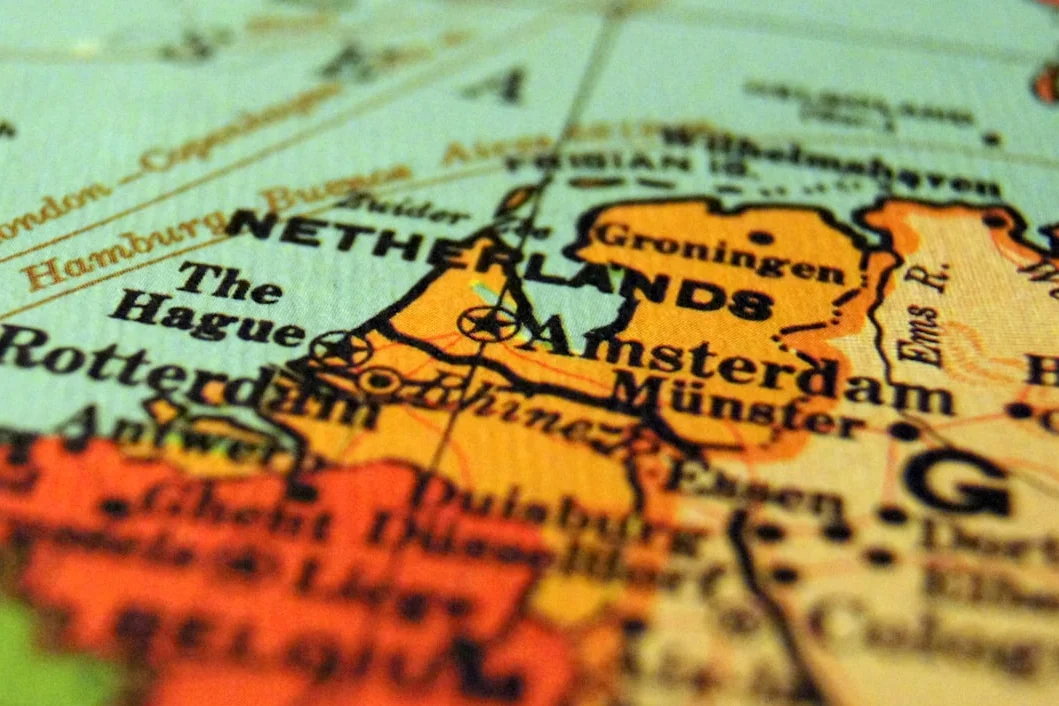
The public broadcaster in the Netherlands has announced it will not participate in next year’s Eurovision Song Contest because the event can “no longer be considered neutral” due to ongoing divisions over the war in Gaza.
Eurovision Becomes a Platform for Division
“It is undeniable that international conflicts are increasingly affecting the Contest, undermining its neutral character; the Eurovision Song Contest has therefore become a platform for division,” said Taco Zimmerman, Director-General of AVROTROS, in a statement on Monday.
The widely-watched show has recently faced a series of boycotts over Israel’s participation, though Organizers announced earlier this month that they would exclude any country involved in an armed conflict from hosting the competition.
“However, the recently announced changes… do not provide sufficient confidence that the independent and neutral character of the Eurovision Song Contest has been restored,” the AVROTROS statement added.
Israel finished second in the competition—the world’s largest live televised music event,in both 2025 and 2026.
2027 Event to Be Held in Bulgaria
Next year’s Eurovision is due to be held in Bulgaria’s Black Sea city of Burgas, after Bulgarian singer Darina Yotova, known as Dara, won this year’s contest in Vienna, Austria, with her catchy floor-filler “Bangaranga.” The contest on May 15 will be the first time the Balkan nation has hosted.
Since its launch in 1955, Eurovision has become the ultimate pop platform, catapulting Swedish icons ABBA to worldwide fame, while also boosting the careers of artists such as Celine Dion, Cliff Richard and Olivia Newton-John.
However, this year’s competition pulled in 131 million viewers, 35 million fewer than last year, after five countries boycotted over Israel’s participation — the Netherlands, Iceland, Spain, Ireland, and Slovenia all pulled out, with the latter three refusing to broadcast the show at all.
Concerns Over Press Freedom and Humanitarian Issues
Dutch public broadcaster Avrotros has pulled out of next year’s Eurovision Song Contest, saying that the competition can no longer be considered neutral while a participating country remains involved in a large-scale military conflict.
In a statement released on Monday, the broadcaster said the decision was due to a lack of clarity from organizers,the Eurovision Broadcasting Union (EBU),over assessing which countries could compete.
Avrotros added: “The severe humanitarian suffering in Gaza and the ongoing restrictions on press freedom have contributed to increasing divisions surrounding the Eurovision Song Contest in recent years.”
Earlier this month, the EBU updated their rules to state that if a country involved in an armed conflict wins the competition, it will be ineligible to host it the following year. But Avrotros said those changes “do not provide sufficient confidence that the independent and neutral character of the Eurovision Song Contest has been restored.”
The broadcaster’s withdrawal from this year’s contest in Burgas, Bulgaria, does not necessarily rule out Dutch participation in Eurovision 2027, as Another broadcaster within the Dutch public broadcasting system could potentially take it on as the country has several public broadcasters, unlike the UK.
But the Netherlands boycotted this year’s contest in Vienna, Austria, after Israel were allowed to compete.
Martin Green, director of the contest, said in a statement that the EBU regretted Avrotros’s decision but respected its views.
“We will now continue our dialogue with NPO, the umbrella organization for Dutch public service media, regarding the opportunities for another broadcaster to participate — we very much hope that audiences and artists in the Netherlands can continue to be represented in the Eurovision Song Contest.”
Taco Zimmerman, director general of Avrotros, said the Eurovision Song Contest “was originally created to bring people and countries together” but was now “a platform for division.”
He said: “It is undeniable that international conflicts are increasingly affecting the contest, undermining its neutral character.
“The Eurovision Song Contest has therefore become a platform for division, while As a public broadcaster, we remain committed to our values.”
He added: “They guide us in everything we do, even when that means stepping away from an event that is very close to our hearts; that is painful as we would have very much liked to be part of the contest again next year.”
Green, however, stated that the contest “has always been a place to bring people together, celebrate diverse communities, and show that a better world is possible even in the most difficult times.”
The recent amendment to the rules, that mean a country involved in an armed military conflict can’t host the next contest if it wins, was approved by the contest’s governing body, following feedback from participating broadcasters after Eurovision 2026.

Comments
No comments yet
Be the first to share your thoughts