

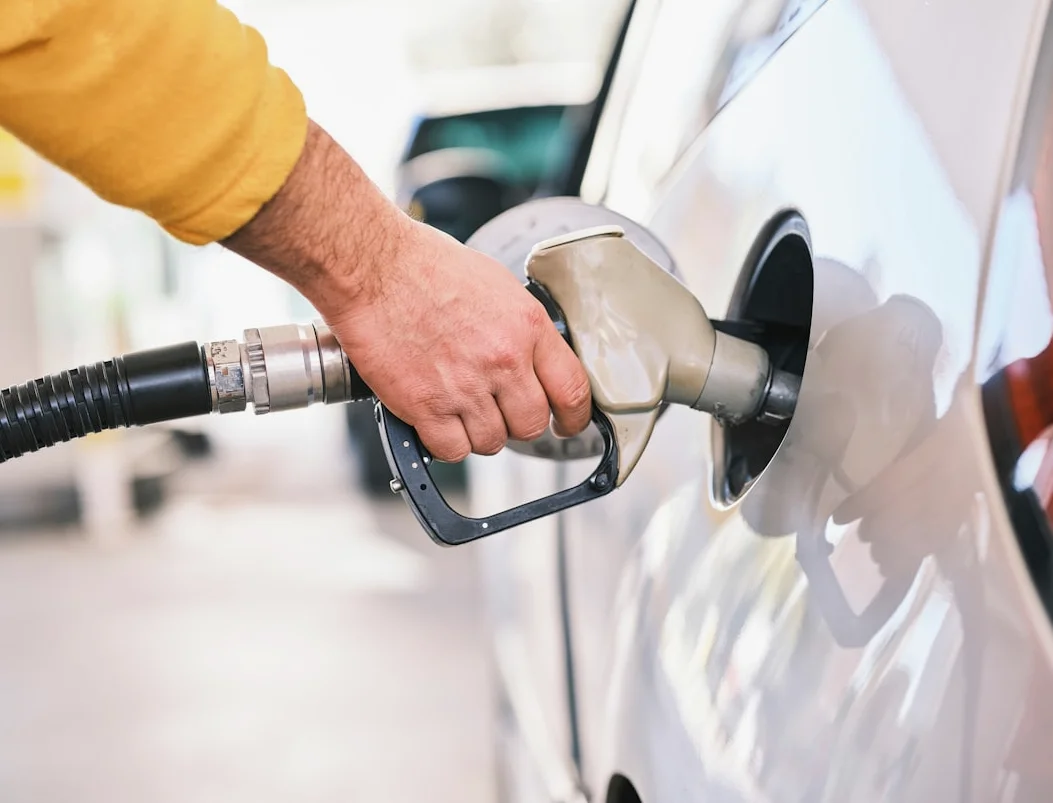
Gasoline prices in the United States reached an all-time high of $4.14 per gallon on Labor Day weekend, breaking the previous record of $3.82 set on Sept. 3, 2012, according to the American Automobile Association (AAA). This surge comes as oil prices remain elevated due to ongoing conflicts in the Middle East and Europe, which have disrupted global fuel supply chains.
Crude Prices and Geopolitical Disruptions
West Texas Intermediate (WTI) crude oil futures were trading at roughly $92 per barrel on Monday, up from about $67 before the Iran War started on Feb. 28. Similarly, Brent crude oil futures were at about $97 per barrel, compared with $72 pre-war — the ongoing conflict has severely disrupted the flow of oil through the Strait of Hormuz. In the second quarter of the year, an estimated 4.9 million barrels of crude oil and petroleum liquids were transported daily through the strait, a sharp drop from the average of 21.6 million barrels per day in the last quarter of 2025.
Refineries have also been taken offline due to the Iran War and the Russia-Ukraine War, further impacting gasoline supply; the increased crude oil prices have offset the usual seasonal drop in gasoline demand after the summer driving season.
Regional Impacts and Travel Costs
Maryland gas prices were among the highest in the country, with drivers paying an average of $4.01 per gallon, eight cents more than a week ago and nearly $1 more than the same time last year. In some areas, such as the Maryland House rest area on Interstate 95, prices reached $4.17 per gallon; AAA reported that Labor Day travelers also paid roughly 2% more for round-trip flights and 9% more for hotel stays compared to the previous year.
Travelers expressed frustration over the high prices, though Tanya Anderson, driving from North Carolina to New Jersey, said, ‘It’s always expensive, more than what I want to pay. To me, gas is always expensive, no matter what — no matter what year it is, no matter what time.’ Kira Ketelhut, who was driving to Virginia, noted that the additional cost made her reconsider her travel plans: ‘It’s like an extra $65. So, of course, I have to think about how often I want to go home and see my family.’
Global Price Trends and Market Volatility
In Germany, diesel prices hit a record high above €2.50 per liter, while E10 gasoline reached a daily average of €2.192, according to ADAC. The sharp increases were attributed to the introduction of new fuel pricing rules on April 1, which have led to a 12.7-cent rise in diesel and an 8.5-cent rise in E10 since that date. Prices have continued to climb since the outbreak of war, with diesel up by about 70 cents and E10 up by 41 cents per liter compared to the pre-war period.
While there was a slight dip in E10 prices on Tuesday, the overall trend remains upward. ADAC noted that prices tend to rise sharply at midday, with diesel increasing by 9 cents in half an hour on Monday after the noon-time price adjustment. The uncertainty surrounding when relief will come for drivers remains, as AAA spokesperson Ragina Ali stated: ‘With the volatility that we continue to see in the Middle East, crude oil prices continuing to be in that $90 per barrel range, it’s really difficult to say when drivers will see some significant relief at the pumps.’





Comments
No comments yet
Be the first to share your thoughts