

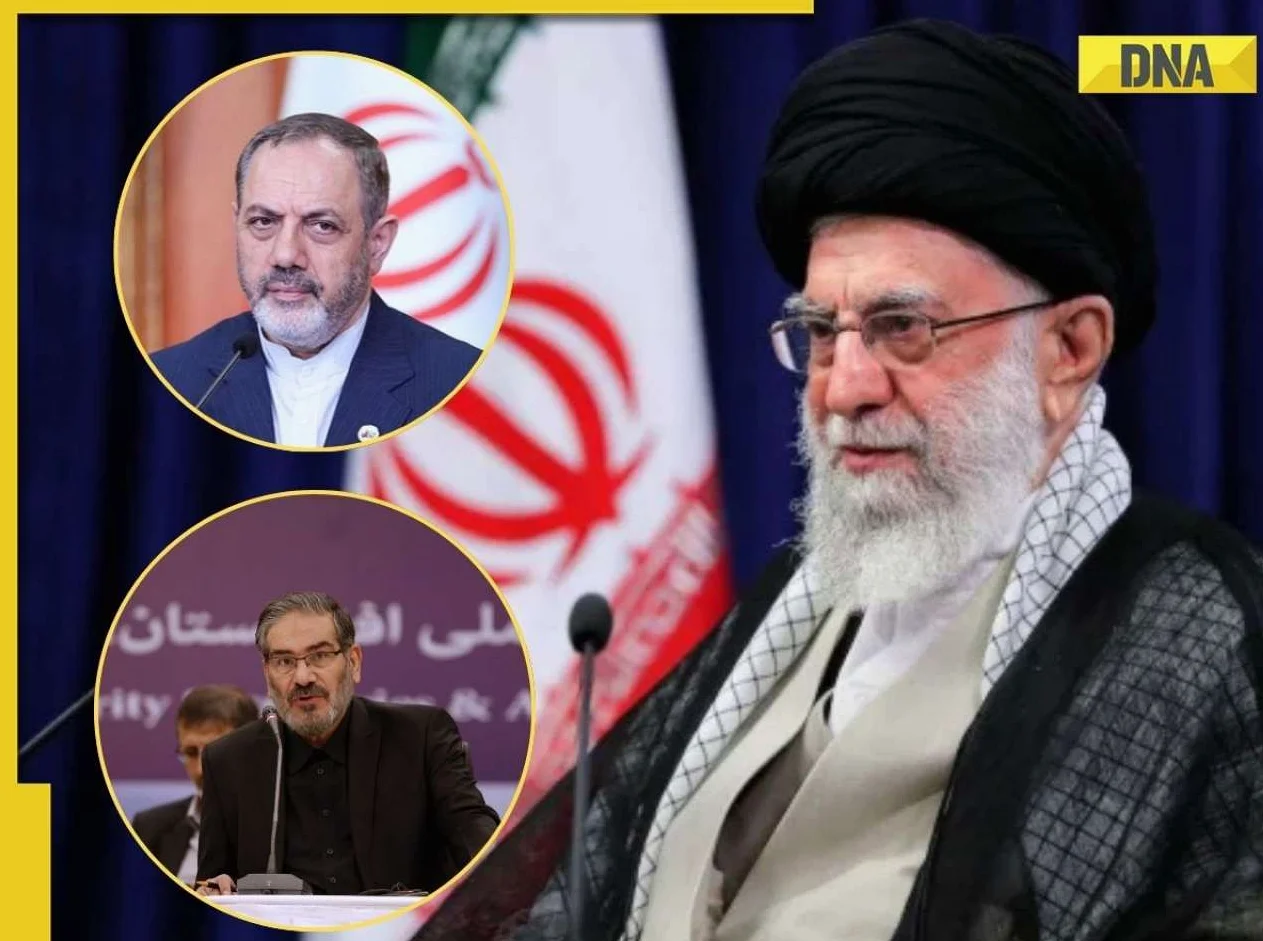
Seven senior Iranian military commanders, including Defense Minister Aziz Nasirzadeh and Islamic Major Guard Corps (IRGC) commander-in-chief Mohammad Pakpour, were killed in a coordinated airstrike attributed to Israel and the United States, Israeli military officials announced. The strike targeted two locations in Tehran, where high-ranking Iranian security officials were reportedly gathered.
Significant Loss for Iran’s Military Leadership
The Israel Defense Forces (IDF) confirmed the deaths of seven senior figures in a statement released on X, citing the Israel Air Force (IAF) as the executor of the operation. Among those killed were Ali Shamkhani, Mohammad Pakpour, Saleh Asadi, Mohammad Shirazi, Aziz Nasirzadeh, Hossein Jabal Amelian, and Reza Mozaffari-Nia. The IDF noted that the targets were identified by the Military Intelligence Directorate after intelligence assessments indicated their presence in Tehran.
Defense Minister Aziz Nasirzadeh was a key figure in Iran’s military strategy and had been involved in several high-profile operations across the Middle East. His death is expected to create a leadership vacuum within the Iranian military and may prompt a reevaluation of strategic priorities. Mohammad Pakpour, the IRGC commander-in-chief, was a central figure in Iran’s military apparatus, overseeing operations in Syria, Iraq, and Lebanon.
Impact on Regional Security and Iran’s Military Structure
The loss of these high-ranking officials is likely to have a significant impact on Iran’s military and strategic operations. Analysts suggest that the IRGC will face internal power struggles as it seeks to fill the void left by Pakpour’s death. The IRGC is a powerful institution within Iran, responsible for both domestic security and external military operations, and its leadership changes could influence regional dynamics.
Iran’s state media confirmed the deaths of several military commanders but stopped short of naming the individuals. However, the confirmation of Nasirzadeh’s death, a close aide to Supreme Leader Ayatollah Ali Khamenei, suggests that the strike was aimed at disrupting Iran’s military hierarchy. The incident has also raised questions about the security of high-profile officials in Tehran, particularly in light of recent intelligence failures.
The strike comes amid heightened tensions between Iran and Israel, with both sides accusing each other of escalating hostilities. In recent months, Israel has conducted multiple airstrikes in Syria targeting Iranian-backed militias, while Iran has increased its military presence in the region, particularly in Lebanon and Iraq. The death of key military leaders may lead to a reassessment of Iran’s military strategies in the coming weeks.
Reactions and Forward-Looking Implications
Iran’s official response to the airstrikes has been limited, with state media focusing on the loss of its military personnel without explicitly condemning the strike. However, analysts suggest that Iran may retaliate in the near future, potentially through increased support for proxy groups in the region or through cyberattacks on Israeli infrastructure.
The IDF’s statement indicated that the operation was a targeted response to Iranian activities in the region, which it described as a threat to Israeli national security. The U.S. has not officially commented on the strike, but intelligence cooperation between the two nations is well-documented, and the timing of the strike suggests a coordinated effort.
According to the IDF, the operation was executed with precision, targeting specific locations where the military officials were believed to be gathered. The strike is expected to have a long-term impact on Iran’s military structure, as the loss of senior leaders may lead to a shift in power dynamics within the IRGC and the Ministry of Defense.
Experts warn that the situation could escalate further if Iran chooses to retaliate. The death of Nasirzadeh, in particular, may trigger internal political maneuvering within Iran’s leadership, as the Supreme Leader seeks to consolidate power following the loss of a key advisor. This could lead to a period of instability within Iran’s military and political institutions.
The strike also highlights the growing role of the U.S. in regional conflicts, particularly in countering Iranian influence in the Middle East. With both Israel and the U.S. sharing intelligence and coordinating military operations, the likelihood of further strikes targeting Iranian military assets increases.
As the situation unfolds, the international community will be watching closely to see how Iran responds and whether the loss of these senior commanders will lead to a more aggressive posture from the Iranian government. The coming weeks will be critical in determining the trajectory of the region’s security landscape.






Comments
No comments yet
Be the first to share your thoughts