

 Al Jazeera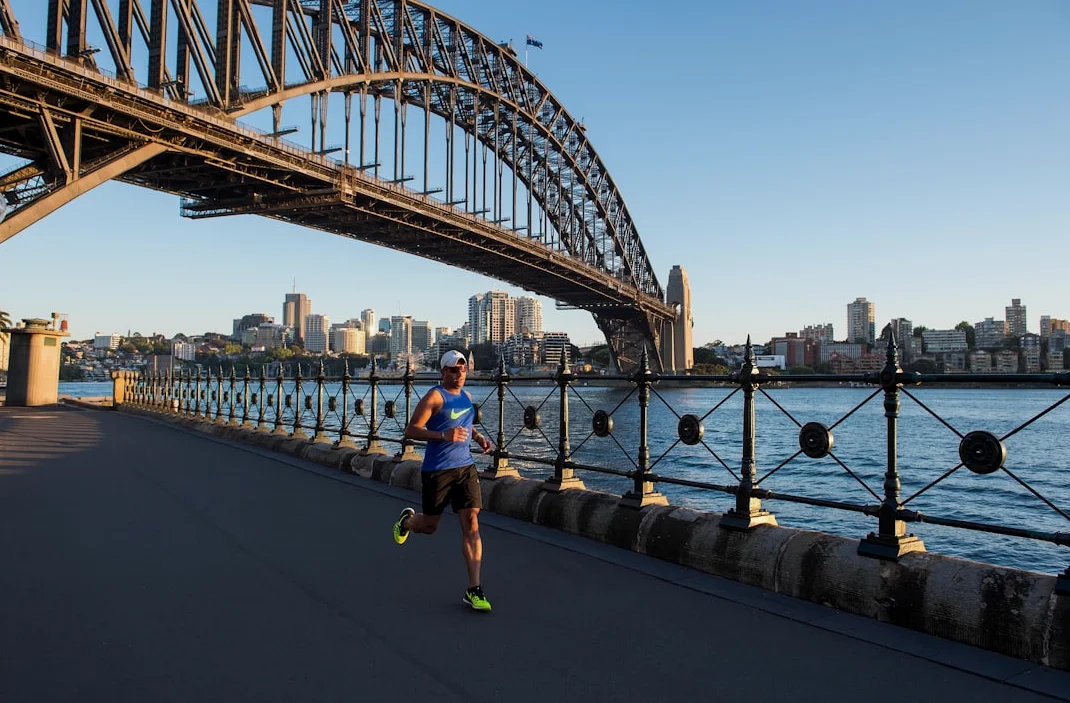
On Sunday, protesters gathered along the Sydney Marathon route, waving Palestinian flags and holding signs demanding that Israeli soldiers be excluded from the event, but some protesters wore keffiyehs and watermelon-patterned accessories, symbols of Palestinian identity and resistance. Al Jazeera confirmed that at least one Israeli soldier completed the race, with the Israeli delegation including members of the Golani Brigade and Unit 8200, a signal intelligence unit.
Controversy Over Participation
The Australian Department of Home Affairs granted visas to the Israeli military participants, a decision that has drawn widespread criticism. A member of the United Nations Commission of Inquiry, which found that Israel committed genocide in Gaza, described the Golani Brigade as one of the “most criminally accused brigades” in the Israeli military. One participant, Roy Oryon, served as deputy company commander in the brigade’s 13th Battalion, which was involved in the fighting in Gaza and southern Lebanon — Golani troops were also linked to an ambush of 15 paramedics and rescue workers in Gaza last year.
Online campaigns have called for investigations into the soldiers’ participation and potential prosecution; the Boycott, Divest, Sanctions (BDS) movement issued a statement saying Australian authorities have a legal obligation to act. “Every state is obliged to investigate and prosecute those suspected of committing genocide,” the statement read.
Settler Attacks in the West Bank
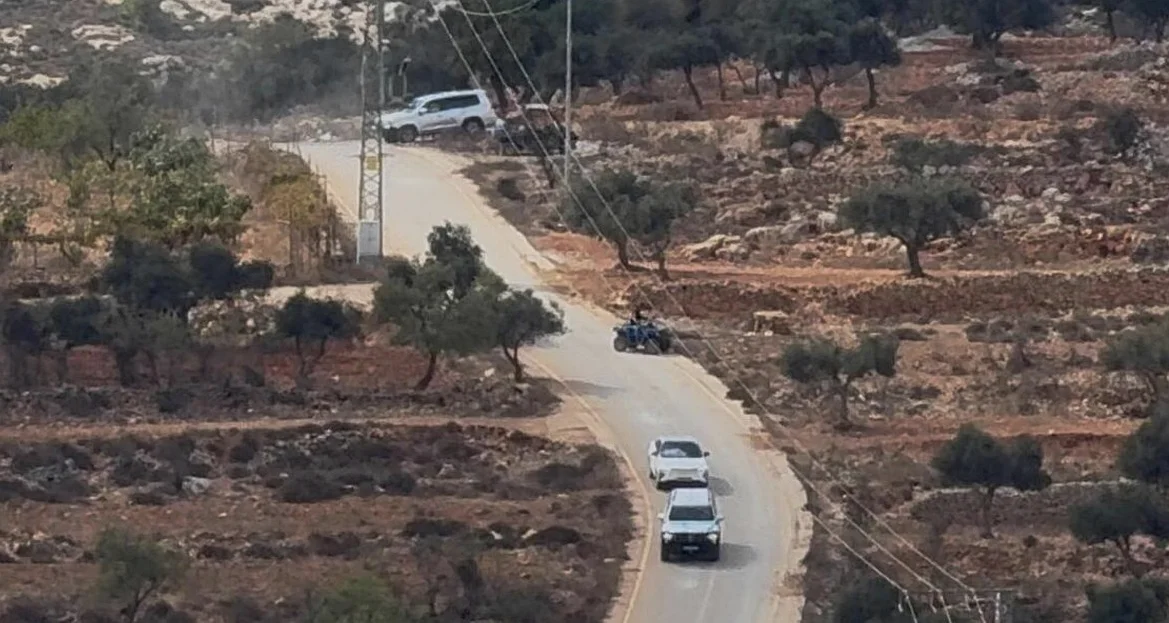
While the marathon took place in Sydney, Israeli settlers carried out a series of violent attacks in the West Bank; In the village of Qusra, south of Nablus, dozens of settlers attacked a Palestinian home with tear gas and stones, injuring seven people. A Palestinian Red Crescent Society ambulance that attempted to reach the affected families was also attacked.
Simultaneously, Israeli forces fired tear gas during incursions into the Far’a refugee camp, el-Bireh, and al-Mughayyir; In Hebron’s Old City, soldiers also attacked journalists — In the village of Jalud, a Palestinian family and an American NBC news crew were assaulted. In Arrabeh, two Palestinians were beaten near the Mevo Dotan settlement, but these incidents occurred over a weekend marked by escalating violence against Palestinians by Israeli settlers.
The Palestinian Ministry of Foreign Affairs strongly condemned the violence, particularly the 20-day siege on al-Mughayyir, which it described as a systematic policy of forced displacement and colonial expansion.
Public Condemnation vs. On-Ground Reality
Israeli Prime Minister Benjamin Netanyahu issued a statement condemning the “criminal acts of violence” in Qusra and Jalud, calling it the work of a “handful of rioters” who violated the law and harmed Israel’s international standing. He stated that he expected law enforcement to “arrest the rioters and bring them to justice.”
However, documented footage captured masked settlers storming the villages of Qusra and Jalud in open pickup trucks, according to Israeli media reports, Despite this evidence and Netanyahu’s public demands, the Israeli police’s West Bank district, under the command of Moshe Pinchi, made zero arrests.
This contrast between public statements and on-the-ground actions has raised questions about the Israeli government’s commitment to holding settlers accountable for violent acts against Palestinians.


Comments
No comments yet
Be the first to share your thoughts