

 The Guardian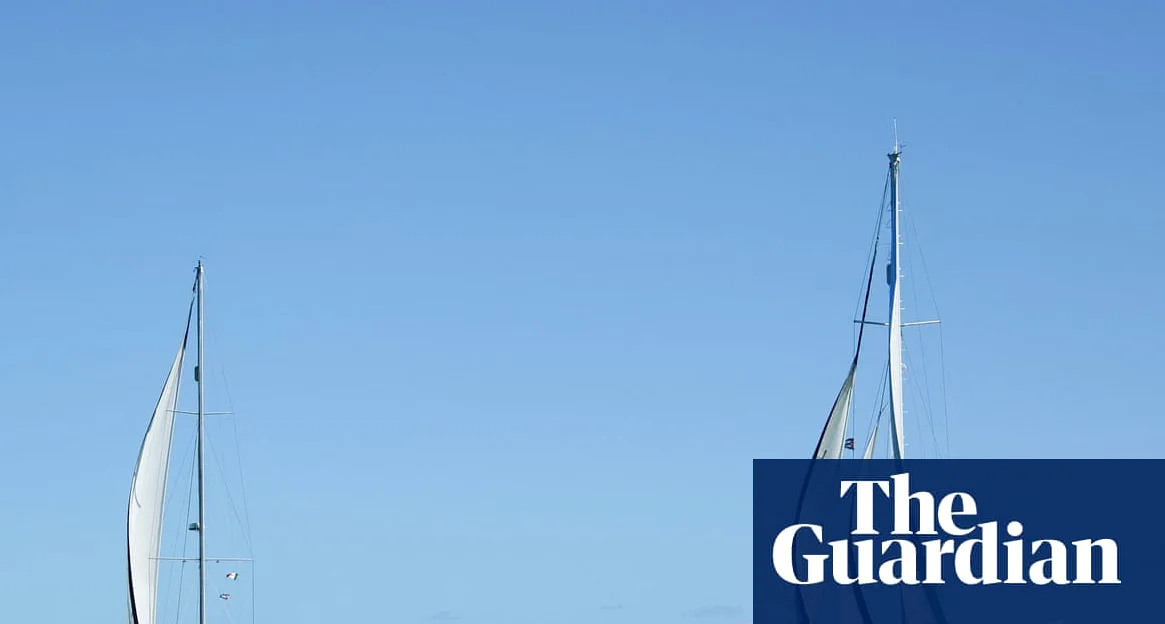
Two sailing boats that went missing while carrying humanitarian aid to Cuba have safely reached the Caribbean island, the US Coast Guard said on Friday. The vessels. Which had disappeared during their journey from Mexico, were confirmed to have arrived in Cuba after a period of uncertainty and concern among officials and families of those aboard.
Search Efforts and International Concern
Cuba’s president. Miguel Díaz-Canel. Had earlier expressed deep concern over the fate of the nine people thought to be on the boats. The vessels. Which set sail from the Mexican state of Quintana Roo last Friday as part of an international aid mission, had been expected to arrive in Havana by Tuesday or Wednesday, the Mexican secretariat of the navy said in a statement.
The alarm was raised after the vessels—part of the Our America convoy—failed to reach their destination. Mexican authorities were in contact with representatives of Poland, France, Cuba, and the US, “the home countries of the people onboard,” according to the Mexican newspaper El Universal. The Mexican secretariat of the navy confirmed that search-and-rescue protocols had been activated for the two sailboats en route to Havana as part of the convoy.
A spokesperson for the convoy told AFP: “Mexican authorities have activated their search-and-rescue protocol for two sailboats en route to Havana as part of the convoy, which have not yet arrived.” The spokesperson added that the captains and crews were experienced sailors, and both vessels were equipped with appropriate safety systems and signaling equipment.
Relief and Confirmation from US Authorities
Later on Friday, the US Coast Guard, which was not involved in the search efforts, announced that it had received a report at 10:36 am local time (2:36 pm GMT) that “the two vessels safely transited to Cuba.” This confirmation brought relief to families and officials who had been anxiously awaiting updates on the missing boats.
Díaz-Canel had previously written on X: “We are doing everything possible to search for and save these brothers in arms.” His comments reflected the urgency of the situation, as the Cuban government has been grappling with a severe humanitarian crisis in recent months.
Cuba has been plunged into one of its worst crises since the 1959 revolution, according to officials, but a US oil blockade, ordered by former President Donald Trump, has left millions of citizens without access to fuel, electricity, and basic services. Trump’s decision to abduct Nicolás Maduro, the president of Cuba’s key ally Venezuela, in January was described by Díaz-Canel as a “sucker punch” to the island’s Communist party leaders.
Humanitarian Mission and Political Context
The convoy to Cuba was organized by the leftwing political organization Progressive International in an attempt to deliver aid and shine a light on the Caribbean country’s plight. The mission reportedly involved activists from 30 different countries. Those who traveled to Havana by boat or plane included the former Labour party leader Jeremy Corbyn, Spain’s former deputy prime minister Pablo Iglesias, and the Northern Irish rap trio Kneecap.
“The aim of the criminal blockade is clear: to starve the Cuban people into submission,” Corbyn wrote in Novara Media. The aid convoy’s organizers said they had sought to bring “critical humanitarian aid,” including food and medicine, to Cuba’s people in the face of “the criminal US blockade.”
“There is no time to waste. As the Trump administration ramps up its assault on the island and its campaign to isolate its people,” they said on the eve of the convoy’s arrival. The mission was timed to coincide with a period of heightened tension between the United States and Cuba, with the latter facing an acute shortage of fuel and essential goods.
Díaz-Canel told the Mexican newspaper La Jornada that Cuba had not received a drop of fuel for nearly four months. This lack of fuel has crippled the country’s transportation systems, hospitals, and basic infrastructure; the humanitarian crisis has only worsened with the ongoing US sanctions, which have limited Cuba’s access to international trade and financial systems.
The arrival of the two missing boats has brought some relief to the Cuban people, who have been struggling with the effects of the blockade — However, the situation remains dire, and the need for international support continues to grow. The Cuban government has repeatedly called on the international community to lift the sanctions and provide humanitarian assistance to the island nation.
As the search for the missing boats ended, officials and families of those aboard breathed a sigh of relief. The safe arrival of the vessels marked the end of a tense and anxious period for all involved. Yet, the broader humanitarian crisis in Cuba remains unresolved, and the need for continued support from the international community is clear.





Comments
No comments yet
Be the first to share your thoughts