

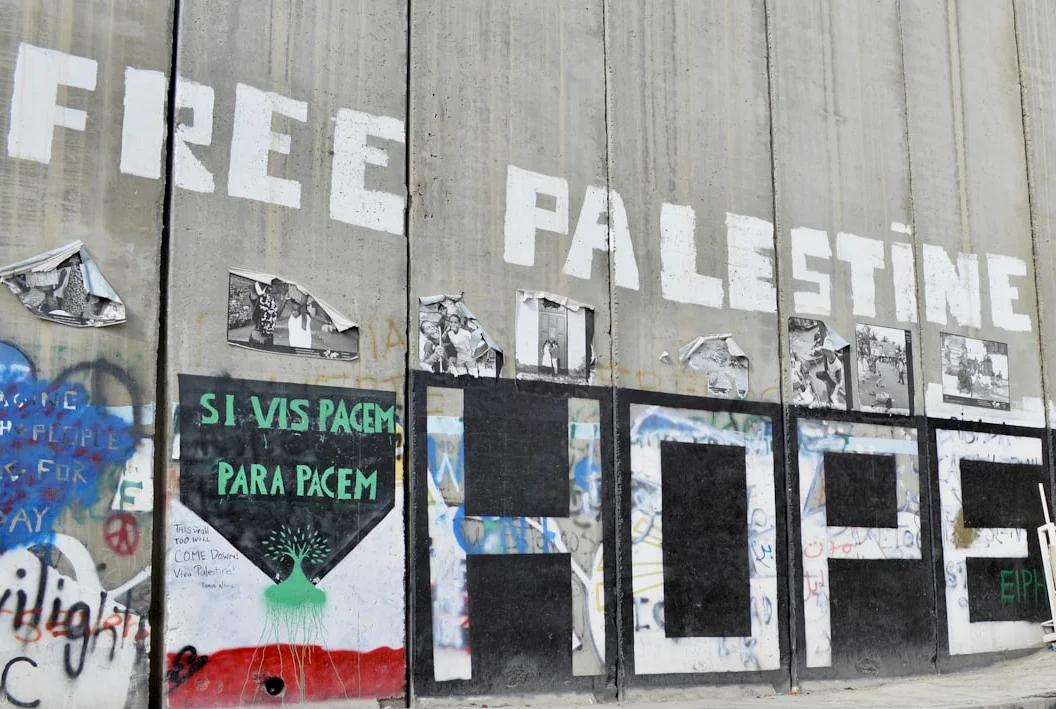
Since Harry S. Truman’s presidency in the mid-1940s, the pro-Israel lobby has played a significant role in shaping U.S. foreign policy, according to The Guardian. At that time, Zionist lobbyists pushed for the establishment of a Jewish state in Palestine, despite the concerns of top U.S. officials like Secretary of State George C. Marshall, who warned that such a move could trigger war in the Middle East and damage U.S. relations with Arab and Muslim nations; Truman, who greatly respected Marshall, faced a diplomatic tug-of-war between domestic political advisers and foreign policy experts.
Focus on Elites and Fear of Retribution
John Mearsheimer, a professor at the University of Chicago, argues that the Israel lobby now operates through what he calls “smash-mouth politics,” according to the Washington Report on Middle East Affairs. In a virtual discussion on January 8, Mearsheimer explained that the lobby focuses most of its attention on policy elites rather than the general public. The goal, he said, is to pressure those who formulate policy in the executive branch and Congress so they fear the consequences of deviating from the pro-Israel line. A prime example cited by Mearsheimer is former British Labour Party leader Jeremy Corbyn, who faced significant backlash for his criticisms of Israel.
Public Discourse and Campus Surveillance
Mearsheimer also noted that the Israel lobby attempts to control public discourse, particularly on college campuses, where he said the risk of controversy is highest — these institutions are seen as incubators for dissenting views, and the lobby monitors them closely to prevent what it considers destabilizing narratives. This focus on campus movements reflects a broader strategy to shape public opinion and prevent the emergence of critical discourse that might undermine its influence; Mearsheimer added that since the 2007 publication of his and Stephen Walt’s book The Israel Lobby and U.S. Foreign Policy, the lobby has become more exposed and is now “forced to operate out in the open.”
Historical and Contemporary Impacts
The influence of the pro-Israel lobby has been evident for decades, with roots tracing back to Truman’s decision to support the creation of Israel — At the time, the U.S. military and foreign policy establishment opposed the move, fearing regional instability and the potential for conflict with the Soviet Union. Despite this, the Zionist lobby succeeded in swaying the president. Today, the lobby continues to shape U.S. policy, particularly in the context of the ongoing war in Gaza, where public support for Israel has faced growing scrutiny. Mearsheimer argues that the lobby’s strength lies in its ability to manipulate political elites, using fear and financial pressure to maintain its influence over U.S. foreign policy decisions.



Comments
No comments yet
Be the first to share your thoughts