

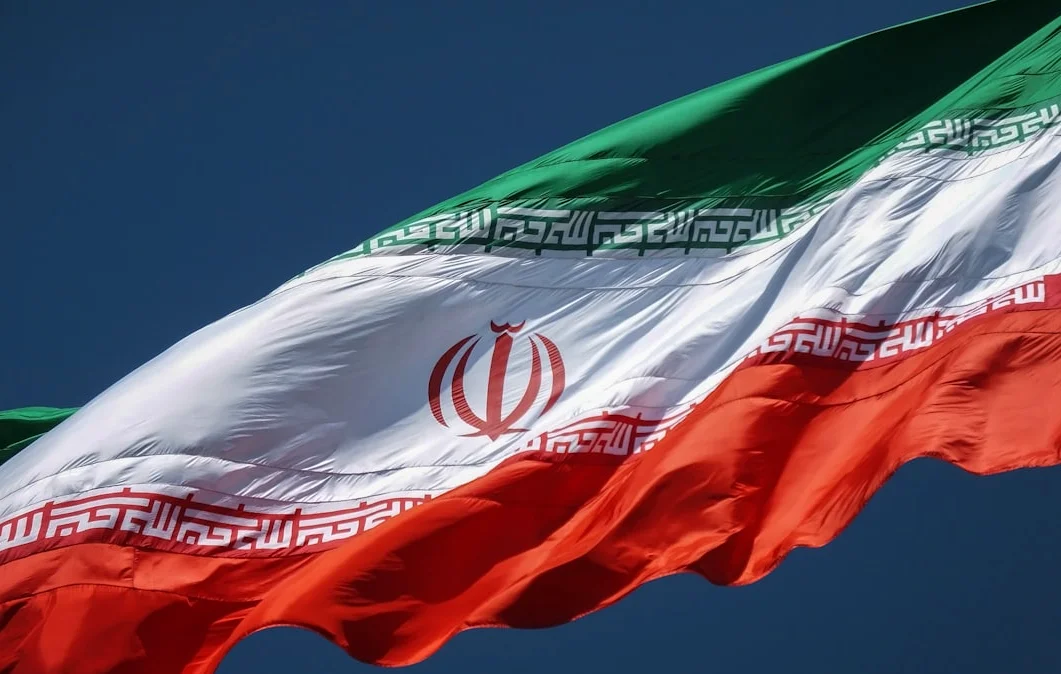
Alleged Underreporting of Casualties
The U.S. Ministry of National Defense is facing allegations of downplaying the scale of U.S. casualties in the war with Iran. The ministry, which has not held a single battlefield briefing for more than two months, is being criticized for failing to properly disclose the U.S. military missile inventory and Iran military capabilities. Concerns are mounting that it may be repeating the Vietnam War precedent of hiding unfavorable information in the name of operational security and offering overly optimistic assessments of the situation, thereby deepening distrust of government announcements.
The New York Times reported that Iran attacked a U.S. base in Jordan three times last week, injuring dozens of U.S. service members and damaging several helicopters, but the Ministry of National Defense did not disclose this. U.S.
Military Spending and Deployment
According to haaretz.com, U.S. President Donald Trump has allocated more than $1 billion for the forces arriving in the Middle East. In Israel, the air force and air defense systems are also fully deployed. Israel too is in a waiting game, bracing for an Iranian attack in response to an American onslaught. Those six weeks have cost a lot of money – for Israel too.
Meanwhile, the war may have lasted 109 days, but the next 60 could prove more consequential, according to a document that calls for an immediate halt to hostilities, the reopening of the Strait of Hormuz, and negotiations toward a final agreement. The document also outlines sanctions relief and a proposed $300 billion investment fund to rebuild Iran’s economy. Yet the document postpones rather than resolves the most contentious issues.
Escalation and Geopolitical Implications
According to the Kronen Zeitung, U.S. President Donald Trump said on Monday that the “big wave” of attacks against the Iranian government was yet to come. The Pentagon confirmed that six U.S. soldiers have now been killed in the attacks on Iran. US Chief of Staff John Daniel Caine announced details of the war against Iran on Monday, emphasizing that “the work is just beginning.”
Meanwhile, the Iranian Major Guard has closed the Strait of Hormuz, an important maritime link, a move likely to have far-reaching consequences for global energy supplies. In addition, a production stoppage for liquefied natural gas in Qatar caused European gas prices to rise further on Monday afternoon, at times by almost 50 percent. More than 17,000 Austrians are currently in the crisis region, with 70 vulnerable people brought from the United Arab Emirates to Oman by land.




Comments
No comments yet
Be the first to share your thoughts