

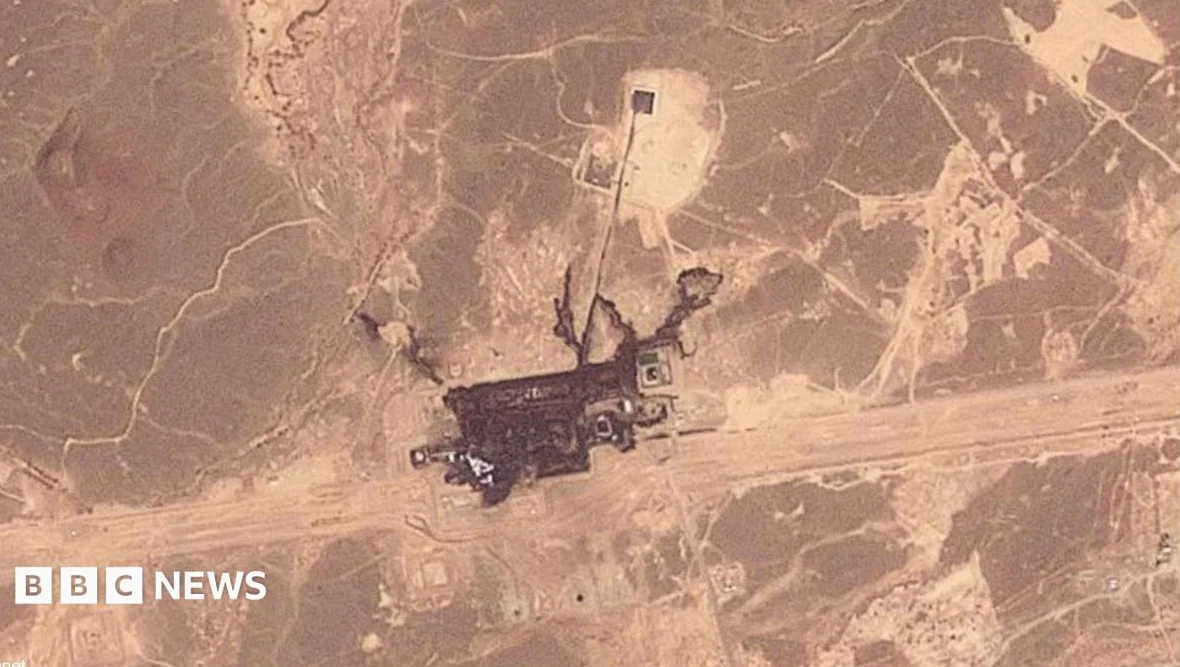
Saudi Arabia has temporarily shut down its East-West oil pipeline after it was struck by drones launched from Iraq, according to the Saudi Ministry of Foreign Affairs and Energy. The pipeline, which carries 7 million barrels of crude oil per day across the kingdom, was hit in the Riyadh and Medina areas Thursday morning, causing fires and injuries, the Saudi government said.
Attack Details and Casualties
The drones targeted the pipeline in the Riyadh and Medina regions, causing fires and damage, according to the Saudi government. Several people were injured in the attacks. Plumes of smoke from the affected section could be seen in video footage. Equipment used to operate the pipeline was also hit. The attack is part of a series of strikes by Iran-allied militants in recent days, with Houthi forces in Yemen launching strikes earlier this week that hit energy facilities and other civilian assets, injuring more than 70 people, according to the Saudi government.
Strategic Impact on Oil Exports
The East-West pipeline is a critical artery for Saudi Arabia’s energy exports, allowing the kingdom to bypass the Persian Gulf and export oil through the Red Sea. The closure of the pipeline has halted the flow of Saudi oil exports, compounding disruptions caused by the closure of the Strait of Hormuz since March. The pipeline’s role in mitigating oil supply disruptions caused by the U.S.-Iran war has been emphasized by Saudi Aramco CEO Amin Nasser, who noted last month that it has played a bigger role than the release of emergency crude reserves.
Emergency teams were deployed to secure the pipeline and assess its safety after Thursday’s attacks, according to the Saudi Energy Ministry. “Any further developments will be announced in due course,” the ministry said. The pipeline’s closure has also had a noticeable impact on global oil markets. Oil prices this week broke above $100 per barrel for the first time in months as fighting has escalated in the Middle East. The attack on the pipeline may have played a role in the rally, as rumors about the strike circulated Thursday. Prices closed out the week more than 8% higher.
Regional Tensions and Diplomatic Response
Riyadh has decided to refrain from retaliating for now, according to the Saudi Foreign Ministry, in order to give the Iraqi government time to take measures to prevent attacks from its territory. The attack is the latest in a series of incidents in a region already strained by conflict. Saudi Arabia is also facing a new front in the Middle East conflict in Yemen, where Houthi forces have made rapid advances along the coast against the Saudi-backed Yemeni government and seized the strategic island of Mayun in the Bab al-Mandeb strait.
No group has claimed responsibility for the drone attacks so far. An investigation is under way in Iraq, where the drones were reported to have been launched. The incident adds to the complexity of the regional security terrain, which includes ongoing tensions between the U.S. and Iran, as well as the Houthi-Saudi conflict in Yemen. The impact of the attack and its aftermath could influence diplomatic and economic strategies in the Middle East and beyond.




Comments
No comments yet
Be the first to share your thoughts