

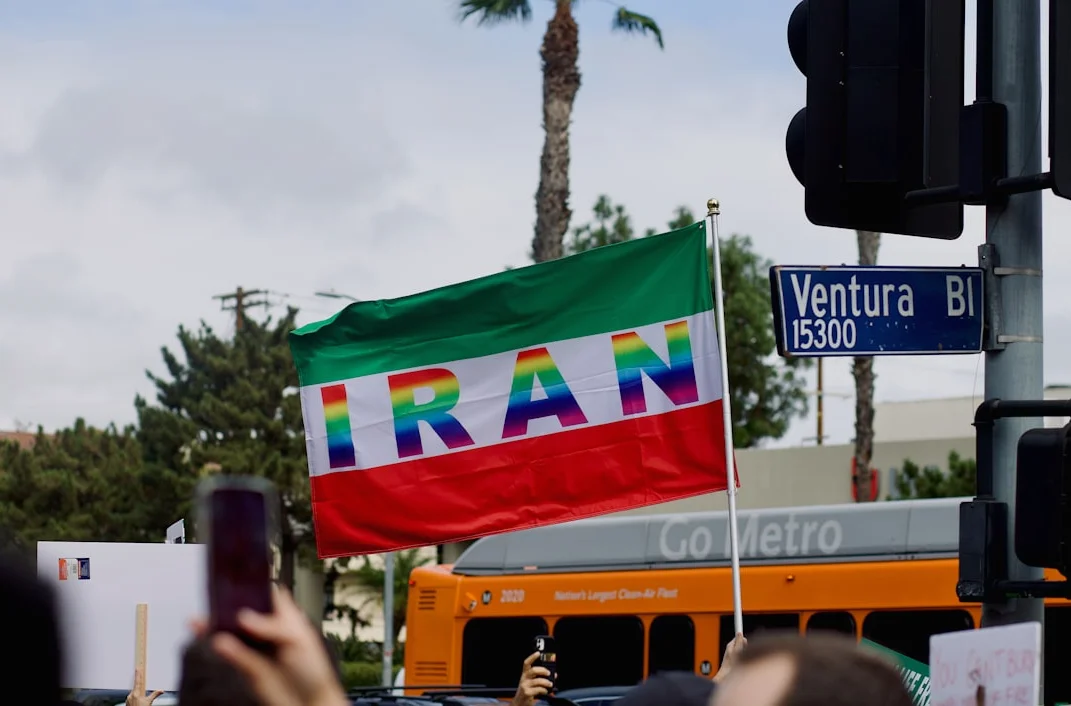
President Donald Trump’s shifting rhetoric on the war with Iran has created confusion among political allies, military officials, and the public, according to reports from CNN, The New York Times, and The Korea Times. While Trump has at times suggested the war is winding down, he has also expressed frustration with its outcomes and called for increased troop deployments, according to The Korea Times. These conflicting signals have led to growing unease within the Republican Party and among foreign allies.
Domestic Political Frustration
Republican lawmakers and political allies have expressed growing frustration over Trump’s inconsistent messaging on the Iran war. CNN reports that GOP lawmakers are particularly concerned about the lack of clarity on Trump’s strategic objectives, which has created uncertainty about U.S. foreign policy and military engagement. Some members of Congress have criticized Trump for appearing to shift his stance depending on the political climate, which has complicated efforts to build a unified response to the conflict.
According to The New York Times. Trump has vacillated between boasting about U.S. military superiority and lamenting that his war of choice is not always having the desired effects. This inconsistency has led to internal divisions within the Republican Party, with some members questioning whether Trump’s leadership is providing the clarity needed to handle the ongoing crisis.
“Trump keeps saying ‘nobody’ knew or expected things lots of people knew or expected,” a senior GOP aide told CNN, highlighting the growing frustration with the president’s rhetoric. The aide added that the lack of a clear strategy is causing confusion among military and diplomatic officials, who are struggling to align their efforts with the administration’s goals.
International Reactions and Diplomatic Uncertainty
Internationally, Trump’s mixed messages have created uncertainty about the future of U.S. involvement in the war. According to The Korea Times. Trump has suggested that the U.S. is winding down the conflict, but he has also called for easing sanctions on Iran while simultaneously adding more troops to the region. This contradictory approach has left foreign allies and adversaries alike unsure of the U.S. stance on the war.
“Trump’s mixed messages on Iran are creating confusion and uncertainty about the future of the conflict,” said a European diplomat, speaking on condition of anonymity. The diplomat added that the lack of a clear U.S. strategy has made it difficult for other countries to coordinate their own policies in response to the ongoing crisis.
In contrast, some Iranian officials have used Trump’s uncertainty to their advantage. According to a report from a Middle Eastern news outlet, Iran has made a new demand for an end to the war, which could bring in billions in economic benefits. However, the timing of these demands has raised questions about whether they are being used to capitalize on U.S. indecision.
Economic Implications and Market Reactions
The conflicting signals from Trump have also had economic repercussions, particularly in the energy and financial markets. According to TradingView. Brent crude oil prices have fallen back below $100 per barrel as Trump suggested Iran is eager to make peace — this has raised concerns among investors about the stability of global oil markets, which have been volatile due to the ongoing conflict.
“Brent Oil Slides Back Under $100 as Trump Says Iran Is Eager to Make Peace,” reported TradingView, noting that the drop in oil prices reflects market uncertainty about the future of the war and its impact on global energy supplies. Analysts are closely watching Trump’s statements for any signs of a potential resolution to the conflict, which could have a significant impact on oil prices.
Meanwhile, the financial markets have reacted to Trump’s rhetoric with caution, as some analysts suggest that the uncertainty surrounding U.S. policy could lead to further volatility in both energy and stock markets. “The mixed signals from Trump are creating a lot of uncertainty in the markets,” said a financial analyst from a major investment firm, who asked not to be named.
Local Impact and Public Sentiment
While much of the international media has focused on the political and economic implications of Trump’s rhetoric, local reactions in the U.S. and abroad have also been significant. According to a report from a regional news outlet in Texas, many Americans are growing weary of the ongoing war and are frustrated by the lack of clarity from the administration.
“People are tired of the constant uncertainty and the lack of a clear direction from the president,” said a local resident in Houston, who spoke to a regional news outlet. The resident added that the confusion over Trump’s stance on the war has made it difficult for families to plan for the future.
In Iran, the mixed signals from the U.S. have also been met with skepticism. According to a report from a Persian-language news outlet, many Iranians believe that the U.S. is trying to create a false sense of optimism about a potential resolution to the conflict. “We are not naive,” said a Tehran-based analyst. “We know that the U.S. is still trying to pressure us, even if they say they want peace.”
What’s Next: A Path Forward?
With Trump’s conflicting signals on the Iran war continuing to create confusion, the next steps for the U.S. and its allies remain unclear. Some analysts suggest that a more coherent strategy is needed to address the ongoing crisis, while others believe that the situation may continue to evolve as both sides reassess their positions.
“The U.S. needs to provide a clearer strategy for dealing with Iran,” said a former U.S. diplomat, who asked not to be named. “Without a clear direction. It will be difficult to build trust with allies or achieve a lasting resolution to the conflict.”.
Meanwhile, Trump’s administration is expected to continue its mixed approach to the war, with no indication of a unified strategy emerging in the near future; this uncertainty is likely to continue affecting both domestic and international policy, as well as the broader geopolitical landscape.


Comments
No comments yet
Be the first to share your thoughts