

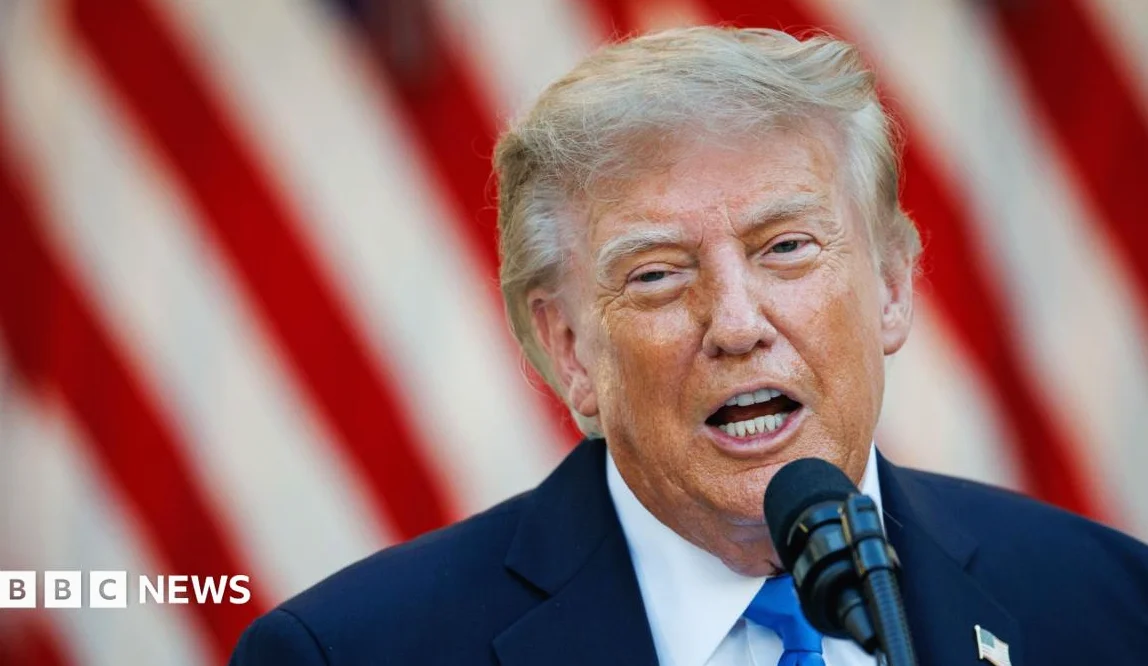
The U.S. conducted an early morning strike in Venezuela on Saturday, Jan. 3, and captured Venezuelan President Nicolás Maduro, according to USA Today. After being captured, Maduro and his wife, Cilia Flores, were taken to New York to face charges. President Donald Trump said in a post on Truth Social just after 4 a.m. ET on Saturday that the “large scale strike against Venezuela” was done “in conjunction with U.S. Law Enforcement.”
Charges and Background
Attorney General Pam Bondi called Maduro and his wife “two alleged international narco traffickers” in a post on X on Jan. 3. Maduro has been indicted on charges of “Narco-Terrorism Conspiracy, Cocaine Importation Conspiracy, Possession of Machineguns and Destructive Devices, and Conspiracy to Possess Machineguns and Destructive Devices against the United States,” she said. The attack comes just more than a month after Trump designated Maduro and his government allies of a foreign terrorist organization. It also comes 36 years to the day from when the U.S. captured Panamanian dictator Manuel Noriega, the last time the U.S. made such a bold military action in the region.
Drug-Trafficking Strategy in Latin America
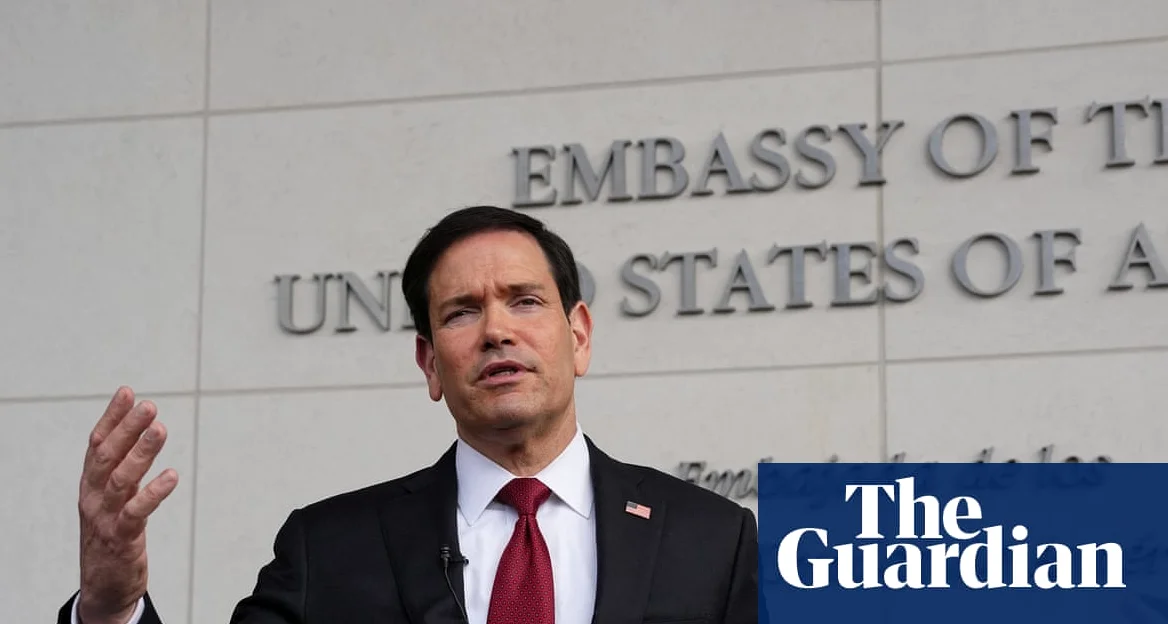
On the same day as the Maduro capture, the U.S. military killed three people in a strike against a drug-trafficking boat in the Caribbean Sea, as reported by wtop.com. That brings the number of people killed in boat strikes by the U.S. military to at least 230 in 69 strikes since the campaign began. U.S. Secretary of State Marco Rubio said the administration is now focused on working with allied countries and aligning with their laws but insisted the military will “still blow up ships if need be.”
Rubio gave new clarity on the U.S. approach toward combating drug trafficking in Latin American waters, saying the Trump administration is now focused on working with allied countries and aligning with their laws. Late Wednesday, U.S. Southern Command announced the latest such strike in the Caribbean Sea. The public acknowledgment of a shift in U.S. strategy comes a year after Washington began a campaign of unilateral deadly strikes against those it calls “narcoterrorists” operating boats in international waters.
Trump’s Stance and Recent Actions
Trump has challenged the legitimacy of Maduro’s 2024 election and accused the Venezuelan president of trafficking drugs into the U.S. During the first Trump administration, Maduro and more than a dozen other current and former Venezuelan officials were indicted by the U.S. in March 2020 for drug trafficking charges, announced by then-Attorney General William Barr. As part of the administration’s ongoing efforts to prevent drugs from flowing into the U.S., Trump declared fentanyl as a “weapon of mass destruction” on Dec. 15. Later, Trump ordered a blockade of ships from entering and leaving Venezuela and the U.S.
Rubio said the decision to conduct strikes is “a strike-by-strike or operation-by-operation determination” that depends on the threat and location of the boat. He said it is “an incredible advance for the first time to have countries that are willing to participate in these efforts in their territorial waters.” Recent U.S. interdictions in Latin American waters are unlike the Trump administration’s initial strikes on alleged drug-trafficking boats that began in September 2025, according to wtop.com.
“The important point is that these routes are being disrupted. These routes are being ended,” Rubio added.
Comments
No comments yet
Be the first to share your thoughts