

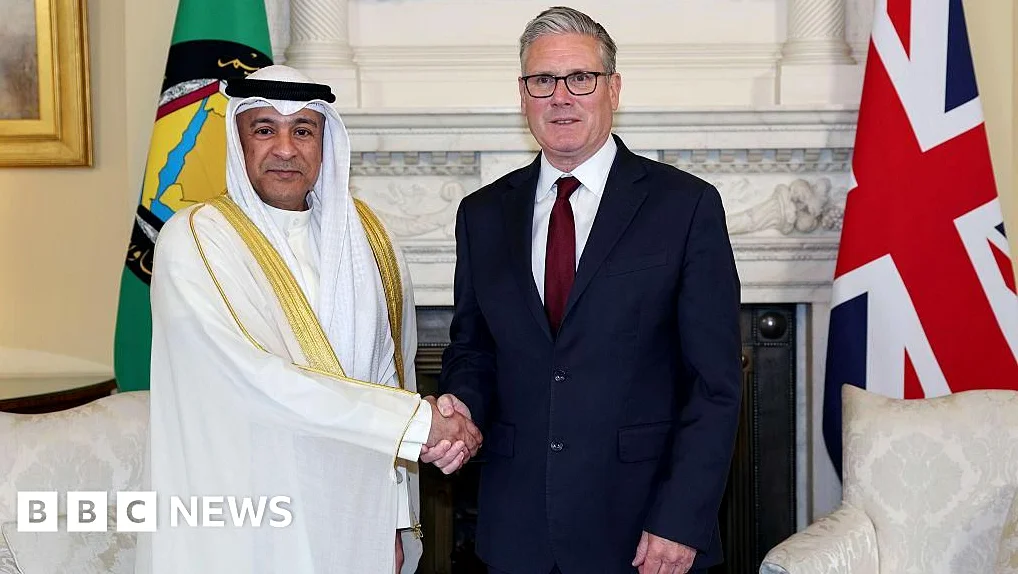
The UK has signed a £3.7bn trade deal with six Gulf Cooperation Council (GCC) states,Saudi Arabia, Kuwait, Oman, Qatar, United Arab Emirates, and Bahrain,eliminating tariffs on 93% of British goods, according to The Guardian and BBC. The deal. Announced by Prime Minister Keir Starmer, is the third major trade agreement under his government, following pacts with India and South Korea.
Key Provisions for UK Exporters
The agreement removes an estimated £580m in annual tariffs from British exports to the region once fully implemented; Sectors such as food, medical equipment, defence, aerospace, and advanced manufacturing will face zero tariffs, according to The Guardian. Products like cheddar cheese. Butter, chocolate, biscuits, and cars—which previously faced tariffs of up to 15%,will now enter the Gulf without additional duties.
For the first time, the deal also allows UK firms to store data outside the region, easing digital trade concerns; In addition, UK services, which account for 80% of the UK economy, will have “guaranteed access” to business in the GCC, the government said.
Political and Economic Implications
The deal is seen as a significant political endorsement of the UK’s trade strategy and is the first between a G7 country and the GCC, according to BBC. Business and Trade Secretary Peter Kyle said the UK was the first G7 country “to secure a modern and ambitious trade deal with the GCC.”
Prime Minister Starmer called the deal a “huge win for British business and for working people,” adding that the benefits would be felt over the years through “higher wages and more opportunities.” Chancellor Rachel Reeves said the agreement was “proof we are backing British firms to compete and win globally.”
The UK government has also secured trade deals with the US and EU, but this agreement with the GCC is particularly notable given the Gulf’s economic weight and the UK’s post-Brexit trade ambitions.
Criticism and Concerns
Despite the economic benefits, rights groups have criticized the deal for lacking sufficient detail on human rights and labor protections in the Gulf states, according to BBC. Meanwhile, the Conservative Party, which initiated the negotiations before losing power, has warned that the deal represents a “major Brexit opportunity” that the Labour-led government risks “throwing away” due to its perceived pro-EU stance.
Tom Bradshaw, president of the National Farmers’ Union (NFU), praised the deal for its favorable terms on agricultural standards. “We think this is probably the best negotiation we had for agriculture. We are really happy,” he said, according to The Guardian.




Comments
No comments yet
Be the first to share your thoughts