

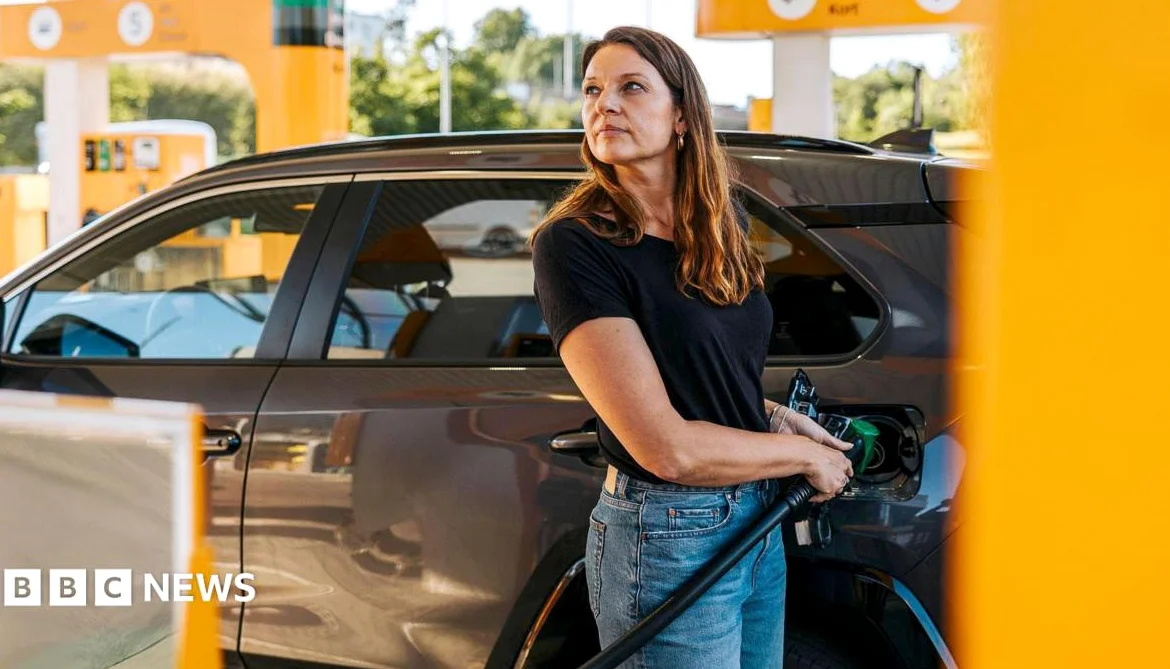
UK petrol prices have surged to the highest level since the Iran war began, with global oil prices rising sharply amid supply concerns. According to the European Commission, the war has increased energy import costs by €24 billion ($28 billion) since its start—equivalent to more than $587 million a day,without delivering any additional energy supply to Europe. The International Energy Agency and ACI Europe have warned that Europe, which imports 70% of its jet fuel, could face shortages in the coming weeks.
BP Sells North Sea Assets Amid Strategic Shift
Amid rising energy prices, BP has announced plans to sell its North Sea business, which produces 117,000 barrels of oil equivalent per day—less than 5% of the company’s total global production. The move is part of BP’s strategy to focus on higher-value opportunities and cut operations. Meg O’Neill, BP’s chief executive, said the North Sea business has “world-class people, resilient assets and a proud heritage” and could attract a buyer willing to invest in its future.
The sale could bring in up to £2 billion for BP, though recent talks with Ithaca Energy reportedly collapsed; the North Sea business employs around 1,100 people and includes five production hubs,two in the central North Sea and three west of Shetland. BP remains committed to operating the business safely during the sale process and will keep its global headquarters in the UK, where it employs 13,960 people.
Regional Responses to Fuel Price Surge
As oil prices climb, European governments are taking divergent approaches to manage the fuel crisis, Eastern and southern European countries have moved quickly to impose price controls and protect domestic supplies. Hungary introduced a protected retail price for petrol and diesel, fixing prices at 595 forints per litre (€1.50/litre) and 615 forints per litre (€1.55/litre), respectively, as the policy applies to vehicles registered in Hungary and includes farmers, hauliers, and businesses.
Croatia and Slovenia have also capped retail prices, while Serbia has suspended fuel and crude exports to safeguard its home market; In contrast, Western European nations are largely still monitoring the situation and tightening oversight rather than imposing direct price controls. Olivier Jankovec, director general of ACI Europe, has called for the urgent suspension of aviation taxes to cushion the impact of rising fuel costs.
Global Market Reactions and Consumer Impact
Oil prices have surged over 30% in the past month, briefly crossing $115 per barrel on March 8 before settling under $90, the Consumer Discretionary sector has been particularly hard hit, as higher fuel prices reduce consumer spending on non-essential goods and services. Every dollar spent on gasoline is a dollar less for shopping, dining out, or home improvement projects; In addition, shipping and warehousing costs have risen due to fuel-dependent logistics.
Gasoline prices in the U.S. are nearing $4 per gallon, with similar strains expected to ripple across Europe, though Analysts warn that the energy shock is not evenly distributed globally, with some countries and sectors bearing the brunt of the crisis. The European Commission has proposed emergency measures, including income support and energy vouchers, to ease the burden on households and businesses.





Comments
No comments yet
Be the first to share your thoughts