

The US has said it has agreed to ‘stand down’ following an exchange of strikes with Iran, according to the BBC — On Saturday, Iran responded with strikes on US bases in Kuwait and Bahrain. The US has said none of these attacks reached their targets, and there were no casualties or damage.
Regional Tensions and Ceasefire Efforts
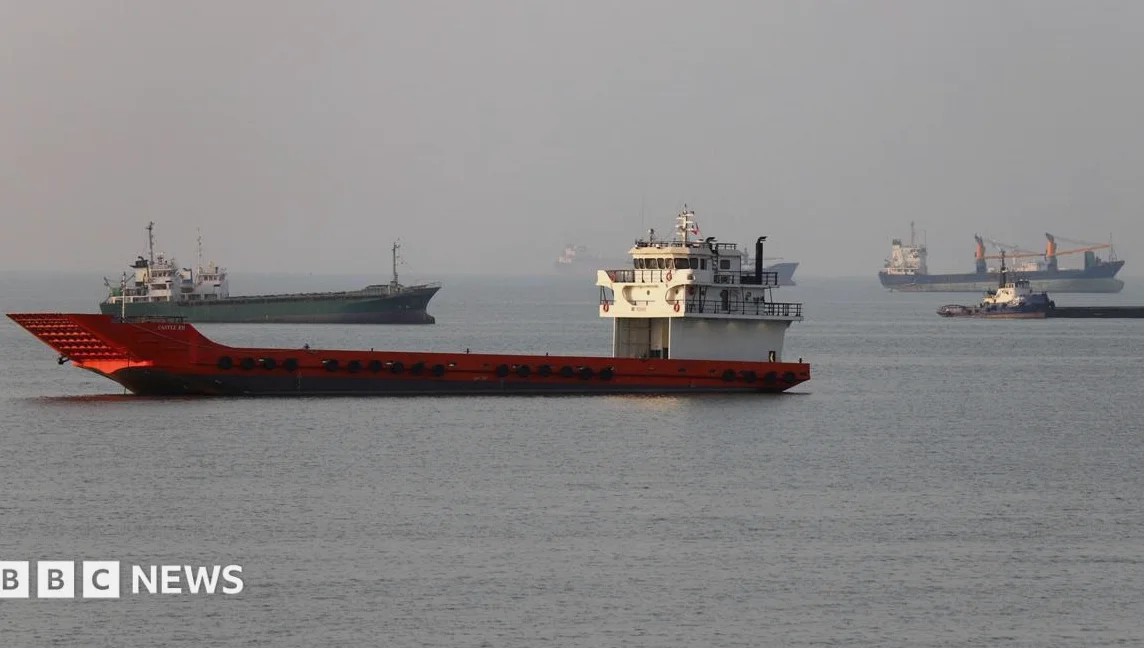
The Strait of Hormuz is a key waterway for oil and gas shipments, and was effectively closed by Tehran after the US and Israel launched attacks on Iran at the end of February. On Friday. The US also mediated the signing of a framework agreement between Israel and Lebanon aimed at paving the way to a lasting peace.
Due to ongoing fighting between Israeli forces and the Iranian-backed Hezbollah in southern Lebanon, that ceasefire also looked shaky; the leader of Lebanon’s Hezbollah militant group has rejected the agreement and accused the Beirut government of undermining Lebanon’s sovereignty. On Sunday, two days after the agreement was signed, the Israeli army said it had struck a 200-metre-long tunnel used by Hezbollah in southern Lebanon, which it said contained hundreds of weapons. The US was informed ahead of the attack, according to a statement from Israeli Prime Minister Benjamin Netanyahu and Defence Minister Israel Katz. Tehran says hostilities in Lebanon must stop for a wider ceasefire deal to stick.
Potential Escalation and Military Options
For now the fighting between Israel and Iran seems restricted to the two nations. At the United Nations and elsewhere there have been widespread calls for restraint. But what if they fall on deaf ears? What if the fighting escalates and expands? Here are just a few possible, worst-case scenarios.
America gets dragged in. For all the US denials, Iran clearly believes American forces endorsed and at least tacitly supported Israel’s attacks. Iran could strike US targets across the Middle East, such as special forces camps in Iraq, military bases in the Gulf, and diplomatic missions in the region. Iran’s proxy forces—Hamas and Hezbollah—may be much diminished but its supportive militias in Iraq remain armed and intact.
The US feared such attacks were a possibility and withdrew some personnel. In its public messaging, the US has warned Iran firmly of the consequences of any attack on American targets. What might happen if an American citizen were killed, say, in Tel Aviv or elsewhere? Donald Trump might find himself forced to act. Israel’s Prime Minister Benjamin Netanyahu has long been accused of wanting to drag the US into helping him defeat Iran.
Iranian State Media and Military Posture
Military analysts say only the US has the bombers and bunker-busting bombs that can penetrate the deepest of Iranian nuclear facilities, especially that of Fordow. Trump promised his MAGA constituency he would not start any so-called ‘forever wars’ in the Middle East. But equally many Republicans support both Israel’s government and its view that now is the time to seek government change in Tehran. But if America were to become an active combatant, that would represent a huge escalation with a long, potentially devastating consequential tail.
A report from Iranian state media said an anonymous text message was sent to people across the country on Monday saying: “The US president is a man of action. Wait and see.” President Donald Trump has a broad range of military options against Iran after a major US buildup in the Middle East, The Economist reported, saying the scale of forces suggests any action could go beyond a limited strike. The magazine said Washington has deployed two aircraft carriers, around 200 fighter jets, surveillance aircraft and warships capable of firing cruise missiles, giving Trump the ability to launch a sustained air campaign if he chooses.
Potential targets could include Iran’s nuclear facilities, ballistic missile bases, the Islamic Major Guard Corps and even senior leadership figures, though the consequences of any attack would be uncertain. The report said Iran retains the ability to retaliate with ballistic missiles and drones against Israel or US bases in the region, raising the risk of a wider conflict even as diplomatic talks are expected to continue. The president of Sharif University of Technology warned protesting students on Monday that legal authorities could intervene and that some could face entry bans if demonstrations continue.



Comments
No comments yet
Be the first to share your thoughts