

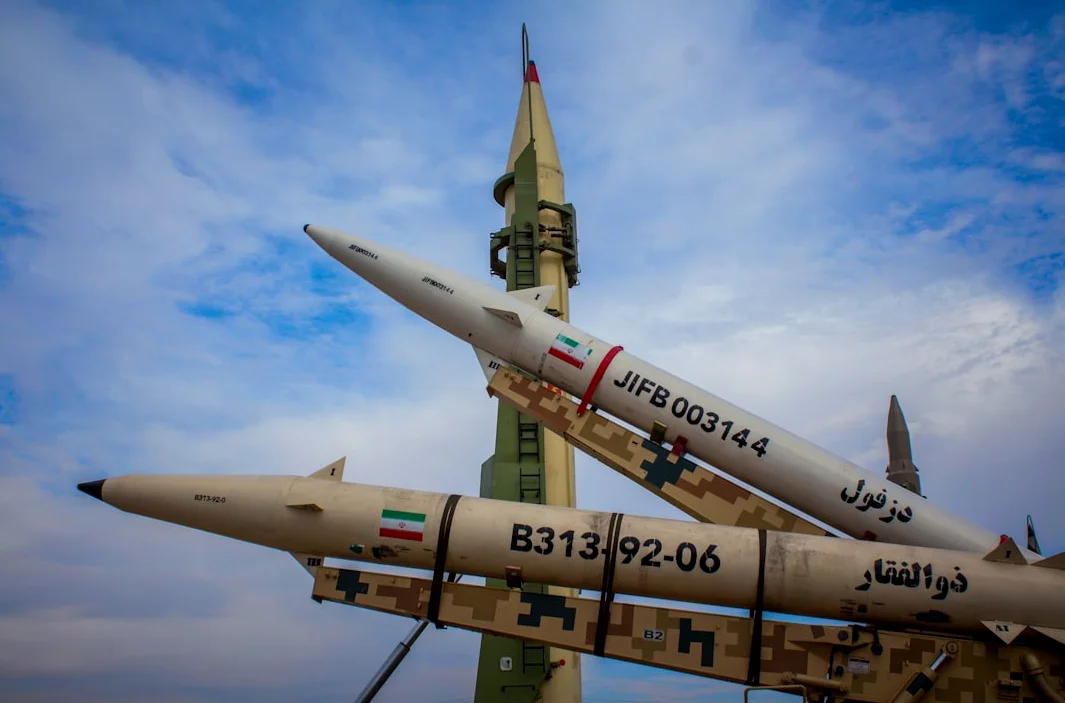
U.S. forces struck Iranian rocket launchers on the Strait of Hormuz on Sunday, marking the first military action in six weeks and breaking a lull in the ongoing conflict between the two nations. The attack targeted Islamic Major Guard Corps (IRGC) forces observed preparing to launch rockets carrying sea mines into the strait, according to Navy Capt. Tim Hawkins, a U.S. Central Command (Centcom) spokesperson. The U.S. military had previously cleared sea mines from the strait’s international shipping routes last week.
Strait of Hormuz at the center
Larak Island, where the U.S. strikes occurred, is located off the coast of Bandar Abbas, Iran, and is near the Strait of Hormuz; the strait is a important global energy transit route, and restrictions imposed by the IRGC have disrupted oil shipments and raised global gas prices. As of Sunday, U.S. gas prices averaged roughly $4.07 per gallon, according to AAA. Centcom Commander Adm. Brad Cooper said his forces cleared all Iranian sea mines from internationally recognized transit routes in the key waterway.
Iran retaliates
Iran’s Major Guard Corps (IRGC) announced retaliation, claiming it launched ballistic missiles at U.S. military bases in Jordan. State media showed footage of missiles being fired, and Jordan’s armed forces said they intercepted eight of them that penetrated the country’s airspace early Monday. The IRGC said the operation targeted the King Hussein and Al Azraq bases, according to Iranian media reports. Iranian state outlets also reported explosions near Larak island and cited “the martyrdom and injury of several of our fighters and compatriots” in a statement carried by state broadcaster.
Escalation of rhetoric
U.S. President Donald Trump escalated his rhetoric, threatening to destroy Iran’s Kharg Island oil export terminal, which he called “going to be blown to smithereens.” The comments came as hostilities flared anew between the two countries. Trump also reiterated a “zero-tolerance policy” toward the minelaying, following previous threats. Iranian state media reported Trump’s remarks and emphasized the potential for further retaliation.
Earlier this week, Trump declared that the initial war-ending Memorandum of Understanding (MOU) with Iran is “over” and that the U.S. had launched a second consecutive day of airstrikes against Iran on July 8. In response, the IRGC announced it had conducted retaliatory strikes against 85 U.S.-linked military targets in Kuwait and Bahrain. The renewed hostilities have raised concerns about the future of the 60-day follow-up negotiations and the security of navigation through the strategic strait.
The U.S. military dismissed Iran’s claims that the latest American strikes were an act of aggression, calling them a “limited, precise action” against minelaying forces. U.S. Central Command said the action was necessary to protect civilian mariners, commercial shipping, and the free flow of global commerce. The last time the U.S. and Iran engaged in direct military action was in mid-July, before the recent escalation. The conflict, which began on Feb. 28, has now lasted more than six months and includes intermittent attacks on infrastructure and military sites across the Gulf.



Comments
No comments yet
Be the first to share your thoughts