

 Al Jazeera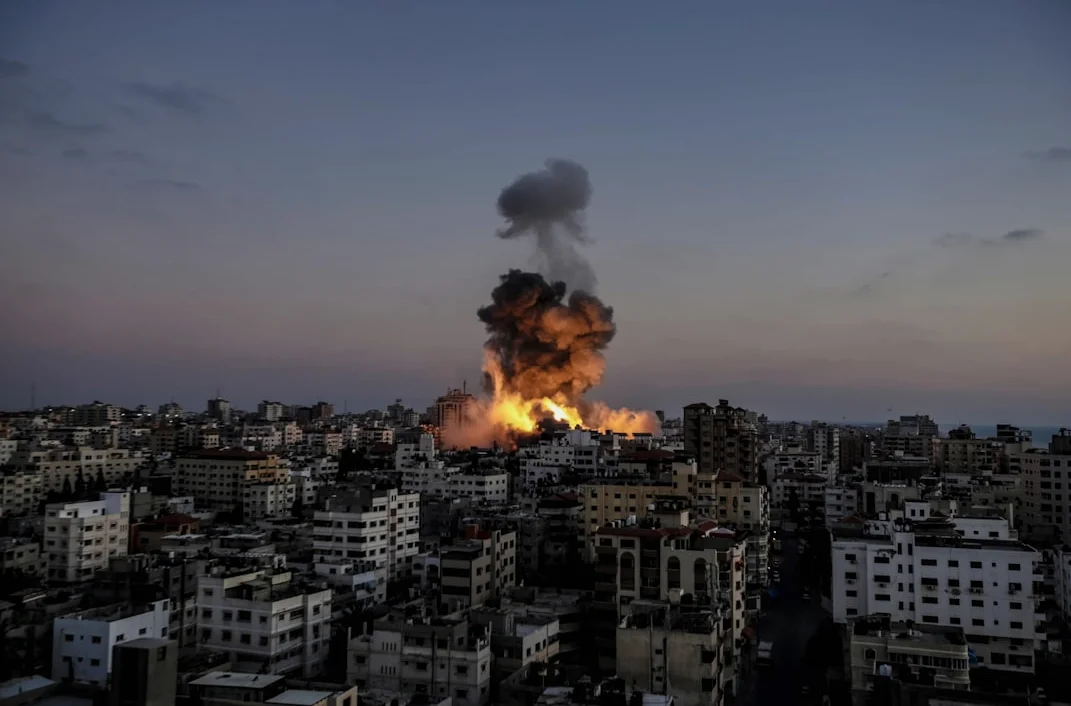
Israeli attacks across Gaza have killed two people and damaged a hospital supply warehouse, according to Al Jazeera, and Ongoing Israeli attacks and ceasefire violations come despite US President Donald Trump’s call for Israel to halt its attacks.
Attacks and Casualties
In an interview with Fox News on August 17, Trump said that Israel “should not be striking in Gaza”, and that “Hamas agreed to lay down their weapons” under the terms of a US-backed peace plan. Separately, another Israeli drone struck a bike in Gaza City’s Tal al-Hawa neighbourhood; the Palestinian Wafa news agency reported that at least one person was killed and two injured in that attack. The casualties were taken to al-Quds Field Hospital.
In a separate attack earlier in the day, one person was killed by Israeli gunfire in the village of al-Musaddar, east of Deir el-Balah; an Israeli quadcopter also dropped an explosive device in the vicinity of Kamal Adwan Hospital in northern Gaza, according to hospital officials.
Health Impact and Ongoing Conflict
Gaza’s Health Ministry reported receiving a total of 10 bodies over the past 48 hours – nine newly killed and one recovered from under rubble, along with 18 wounded. It said other victims remain trapped beneath destroyed buildings or on roads that ambulance and civil defence crews have been unable to reach.
Since the “ceasefire” between Israel and Hamas took effect in October last year, the ministry said, 1,313 Palestinians have been killed by Israeli attacks. Meanwhile, between 4,000 and 5,000 Palestinians remain missing and are believed to be under rubble in Gaza, the Palestinian Centre for Missing and Forcibly Disappeared Persons said on Saturday.
The centre added that between 2,500 and 3,000 people may have been subjected to forced disappearance in Gaza during Israel’s genocidal war. The centre’s estimate is based on an analytical study of a sample of 317 cases, and it said the findings showed indicators warranting an investigation into the possibility of a broader pattern of enforced disappearances.
Humanitarian Concerns and Calls for Aid
“If this oxygen supply stops, these people will die,” said a hospital official. “We do not want to reach the point where a doctor is forced to choose between two patients, deciding who receives oxygen and who is left without it.” Of the 317 cases examined, 302, or 95.27 percent, were male and 15 were female. The sample included 41 children and 17 people aged 60 or older.



Comments
No comments yet
Be the first to share your thoughts