Persian Gulf War Risk Insurance Costs Surge 500% as Coverage Zones Expand
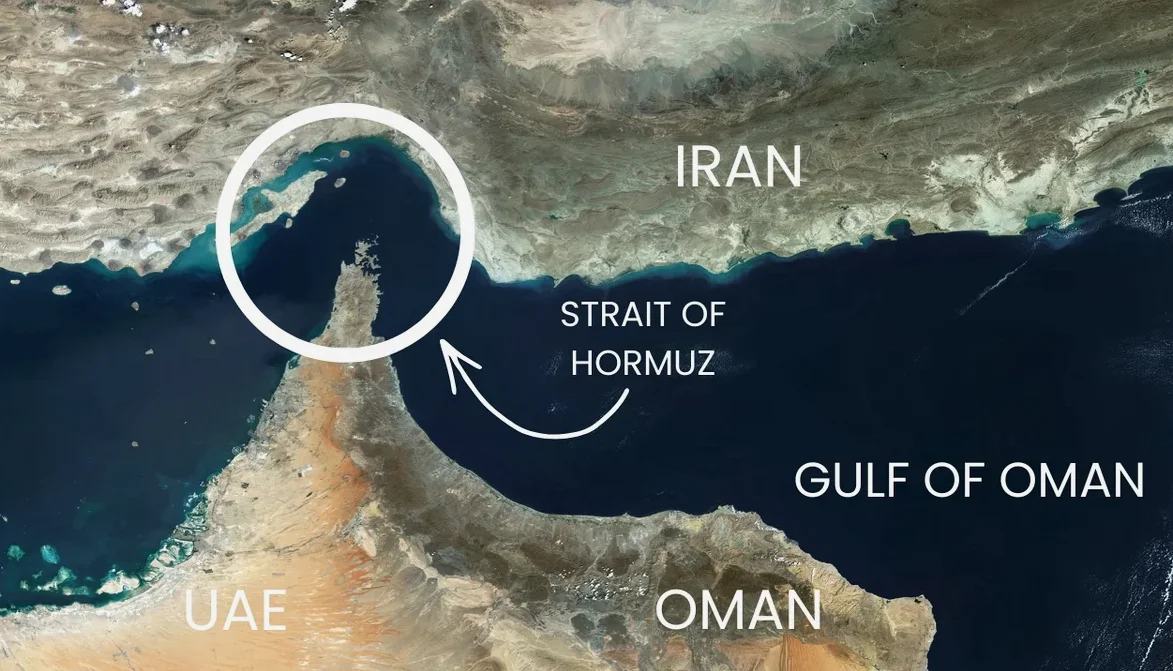
War risk insurance costs in the Persian Gulf have surged 500% as London’s marine insurance market expands high-risk zones due to escalating Middle East tensions.
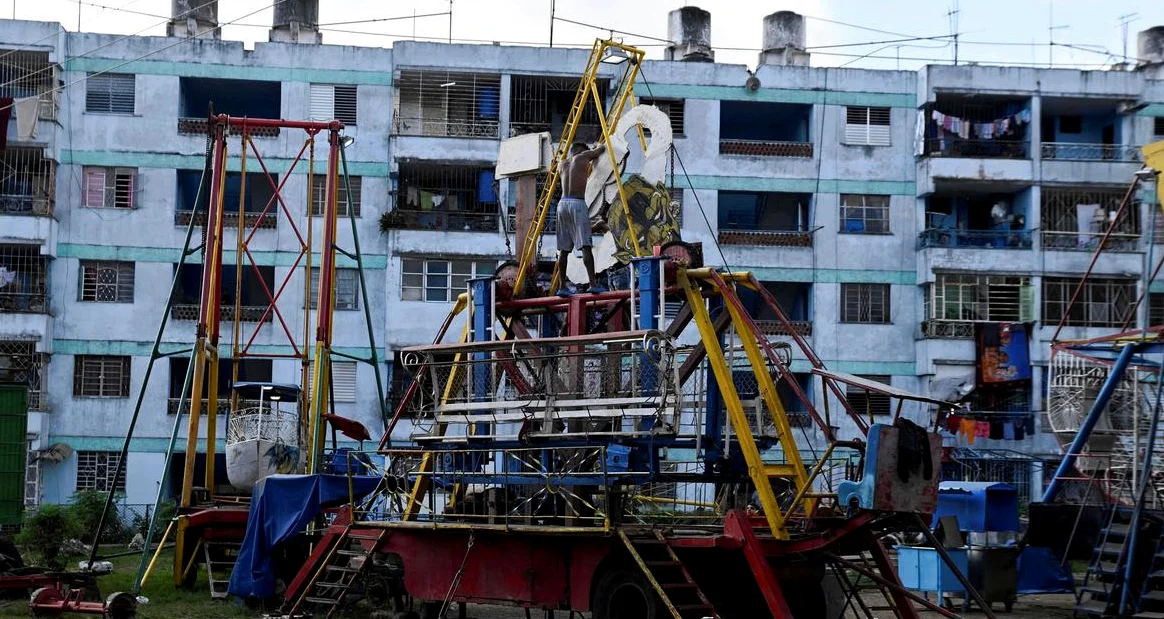
Cuba's president calls for economic transformation amid the impact of US sanctions, which have left the country in crisis.
Silver's recent volatility raises questions about whether it's a breakout or a trap for traders.
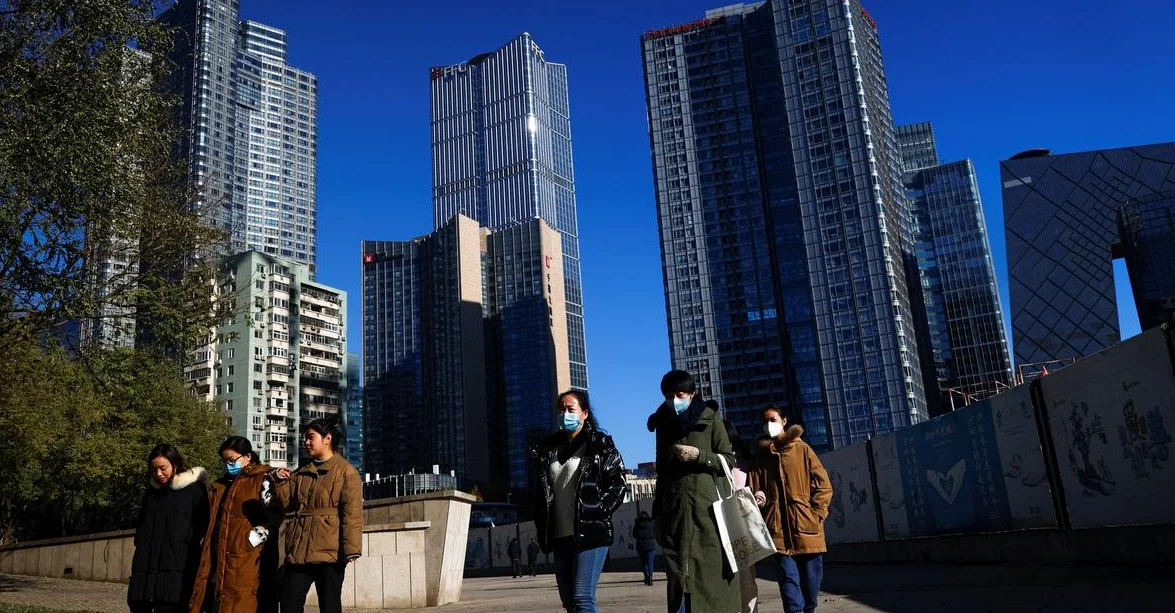
A record 26% of Chinese listed firms expected to report net losses in 2025 due to a prolonged real estate downturn.
Aspen's Dwayne Romero enters race for Colorado's 3rd Congressional District, challenging incumbent Rep. Jeff Hurd.
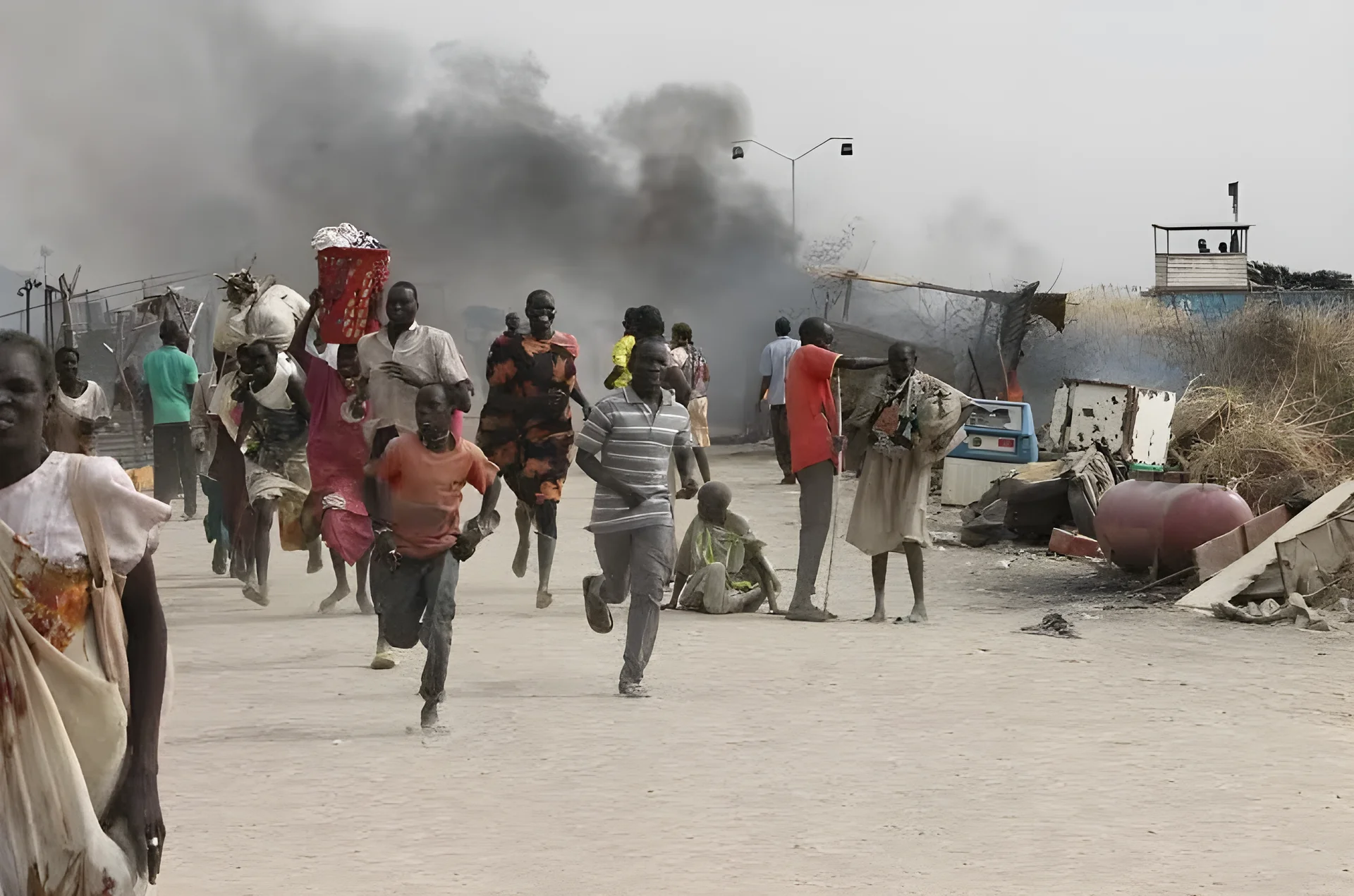
Violence in Nigeria's North Central region continues as blame-shifting and unresolved grievances deepen communal tensions.
A rescued kidnap victim in Kogi State has given birth to twin girls at an IDP camp, marking a new chapter in her recovery.
Global bond markets are under pressure as renewed tensions in Iran stoke fears of rising inflation.
European stock markets plunged as tensions in the Persian Gulf escalated, triggering fears of a global energy crisis and economic uncertainty.
The 2026 ABoICT Lecture will focus on AI and IoT's impact on business efficiency and digital transformation.
Hong Kong and Shanghai are launching a blockchain initiative to transform trade finance, aiming to reduce costs and improve efficiency.
Oil prices climb as Strait of Hormuz tensions rise, pushing Dow futures lower amid fears of supply disruption and inflationary pressures.
Senator Bam Aquino has reminded the government that the Train Law automatically suspends excise taxes on oil when global prices hit $80 per barrel, as prices approach that threshold.
Oman's Royal Decree expands OPAZ's powers to enhance economic governance and attract investments.
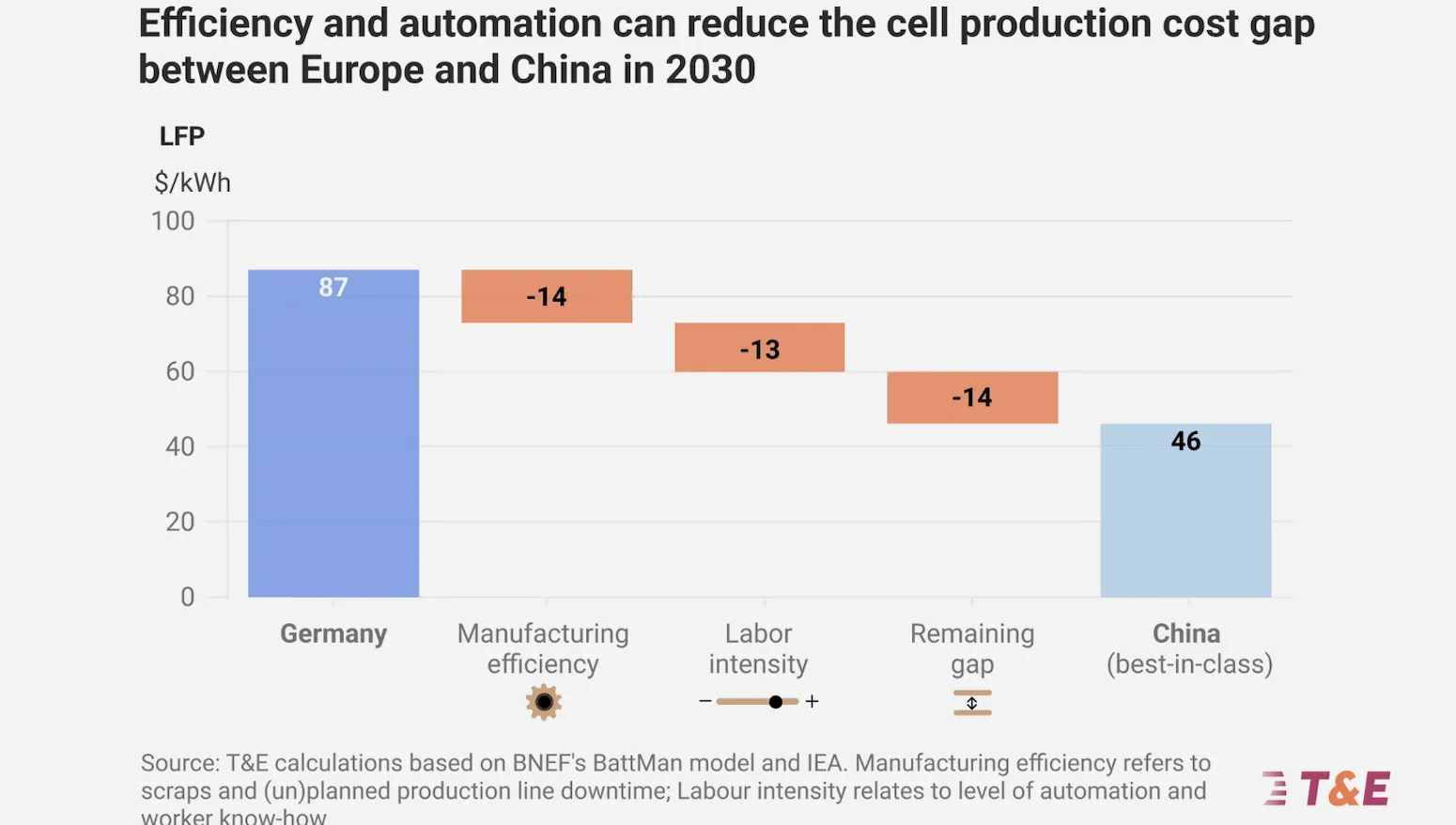
European battery makers could close their cost gap with China by 2030 through policy-driven scaling, despite current production costs being significantly higher.