

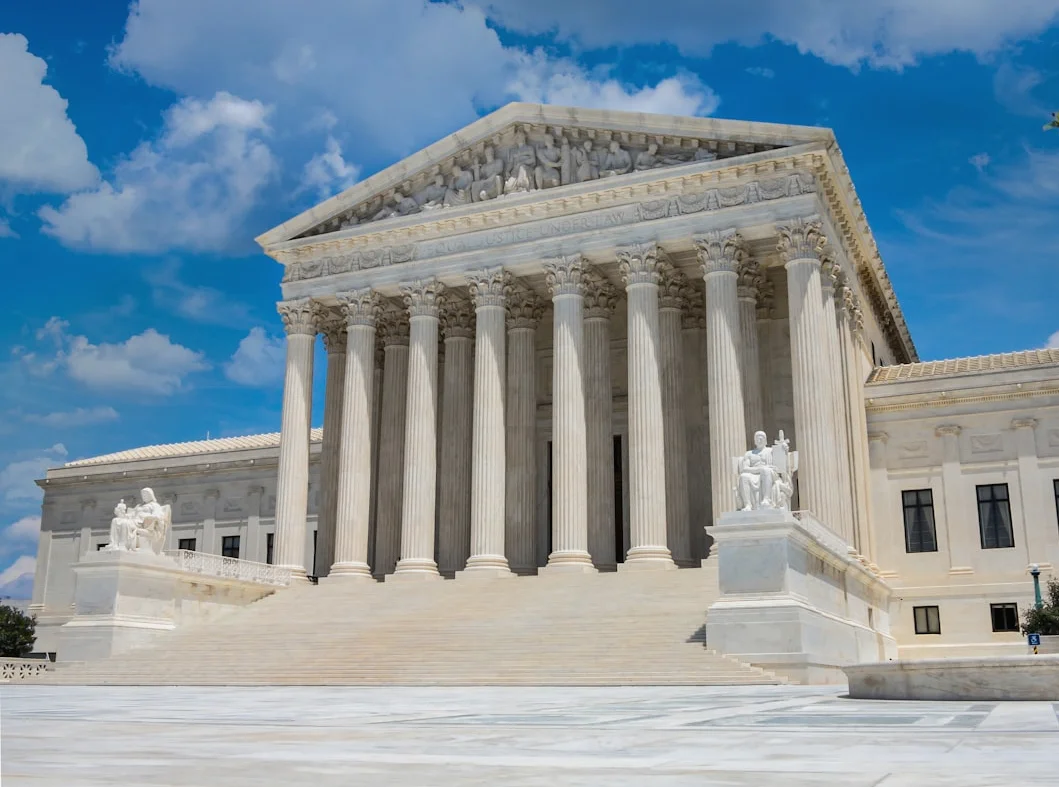
The Trump administration Sunday petitioned the U.S — Supreme Court to temporarily implement restrictions on mail-in voting via the U.S; Postal Service (USPS), according to NBC News. This is the third time the administration has escalated the issue to the high court. The move follows a federal judge’s order halting the USPS from enforcing the regulation, which would have allowed the agency to track mail-in ballots and potentially reject those not listed in a federal database.
Legal Challenges and Judicial Responses
On Friday, U.S. District Judge Indira Talwani issued an order blocking the Trump administration from enforcing the new USPS rule, stating it is likely unlawful and unconstitutional for the federal government to dictate how mail-in ballots are handled, as reported by NBC News and dw.com. The Supreme Court had previously lifted a similar block, but only on procedural grounds and without ruling on the lawfulness of the regulation itself.
The administration’s rule requires state and local authorities to submit mail ballot envelope designs to the USPS for approval and to register voter names, addresses, and barcode information in an online platform, according to EFE. Judge Talwani argued that enforcing these changes less than 70 days before the November 3 midterm elections could confuse voters and disenfranchise millions.
Political and Procedural Implications
Carolina del Norte became the first state to begin sending mail-in ballots less than 60 days before the elections, as noted in NBC News and EFE. The Supreme Court is now being asked to intervene as 24 states have objected to the new USPS rules — the administration’s move is part of a broader effort to impose federal control over elections, traditionally managed by states.
The Trump administration’s restrictions stem from an executive order signed on March 31 to revise how federal elections are conducted, according to EFE and Yonhap; the order aimed to create a new system for verifying voter eligibility, including using a database with Social Security information to identify potential non-citizens. The system was originally designed to prevent non-citizens from receiving welfare benefits, not for voter verification.
Public and Legal Concerns
Judge Talwani emphasized that the Trump administration has not provided evidence of widespread fraud in mail-in voting to justify the urgent implementation of the rule, according to EFE. The administration argues that the rule is necessary to protect the integrity of the upcoming elections, but the Department of Justice has appealed to the Supreme Court, claiming that the lower court’s decision threatens the fairness of the election process.
The Supreme Court is expected to rule on the matter as early as September 9, according to Yonhap; the outcome could determine whether the new USPS restrictions go into effect, affecting how states handle mail-in ballots in the November elections.
The administration’s efforts to restrict mail-in voting are seen as a response to the growing popularity of this voting method, which has been widely used due to the coronavirus pandemic. The Save America Act, which would impose stricter voter ID laws and limit mail-in voting, failed to pass in Congress, prompting the administration to pursue an alternative route via executive action.





Comments
No comments yet
Be the first to share your thoughts