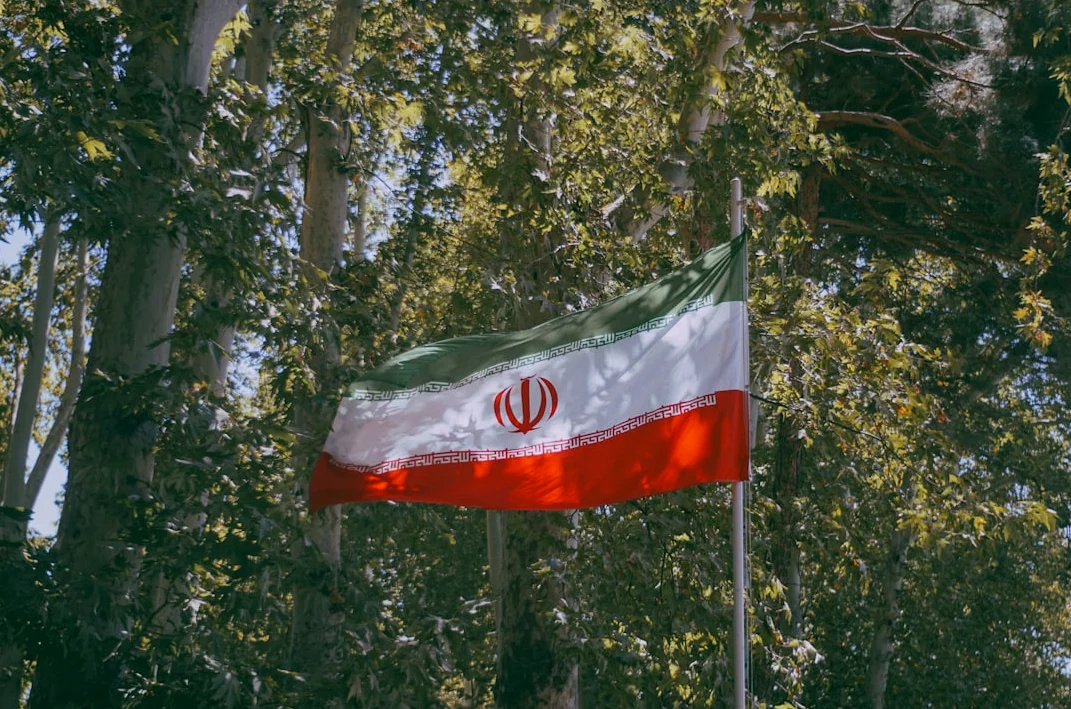
Iran War Enters Fourth Week as Questions Over US Strategy Rise
As the Iran war enters its fourth week, rising oil prices and unclear US objectives have sparked new questions about the broader strategy and long-term consequences of the


As the Iran war enters its fourth week, rising oil prices and unclear US objectives have sparked new questions about the broader strategy and long-term consequences of the

The Trump administration has temporarily lifted sanctions on Iranian oil shipments at sea to ease soaring global oil prices and reduce domestic gas costs in the U.S.
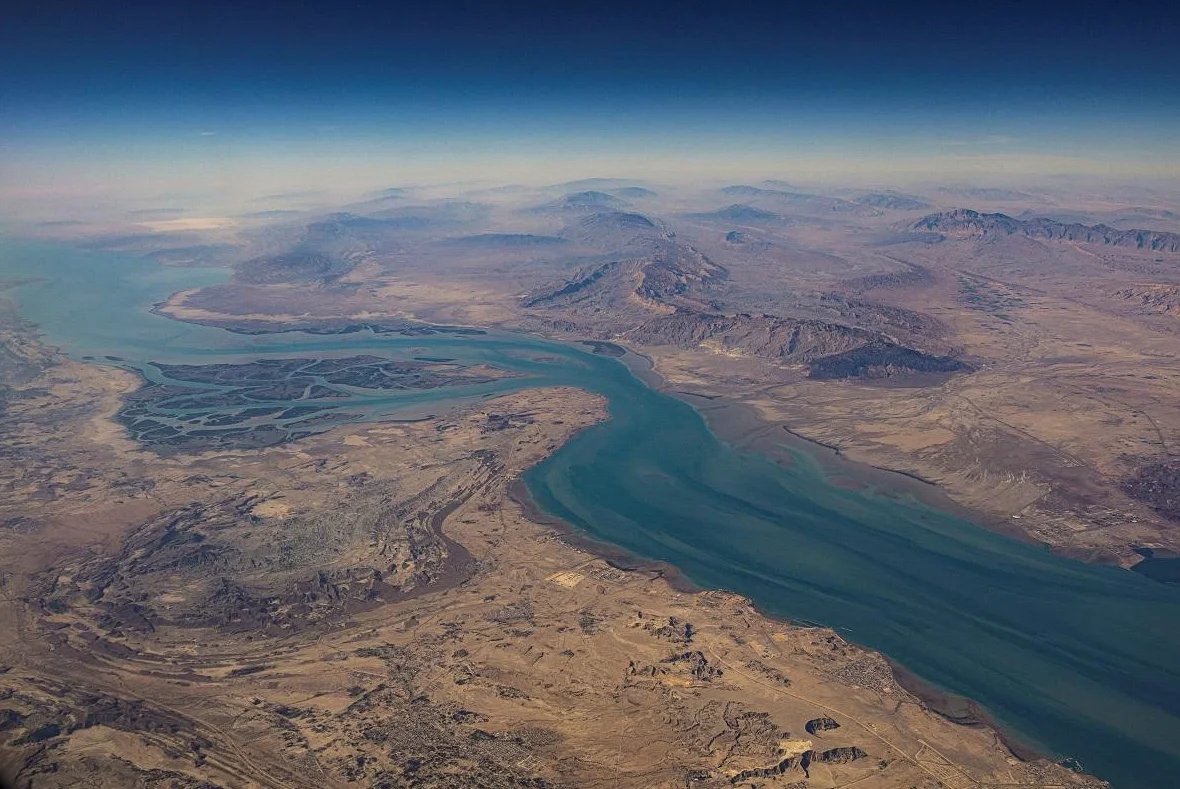
Middle East oil exports have dropped 60% as Hormuz remains mostly closed, disrupting global supply and driving oil prices to four-year highs.
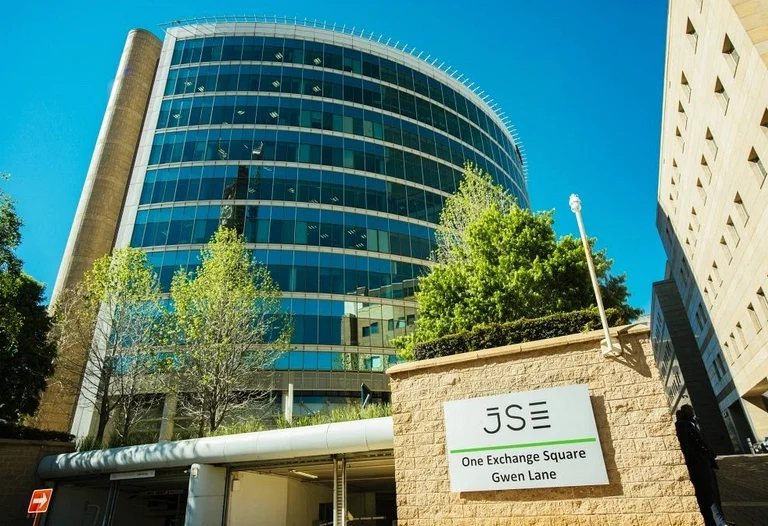
South African markets fell amid Middle East tensions and rising oil prices, with global markets also showing signs of unease.
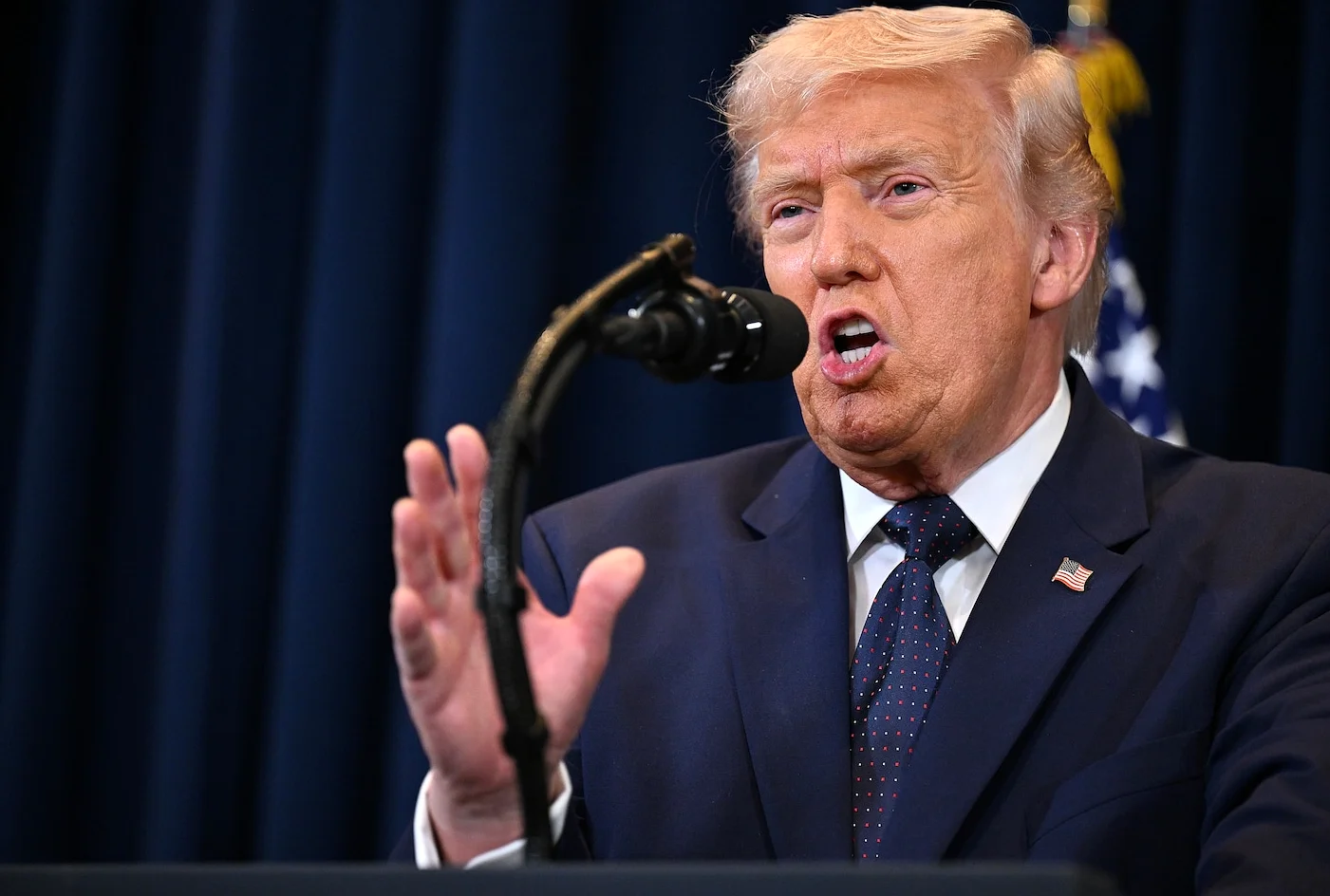
Rising oil prices and gas costs spark GOP anxiety as the Iran war intensifies.
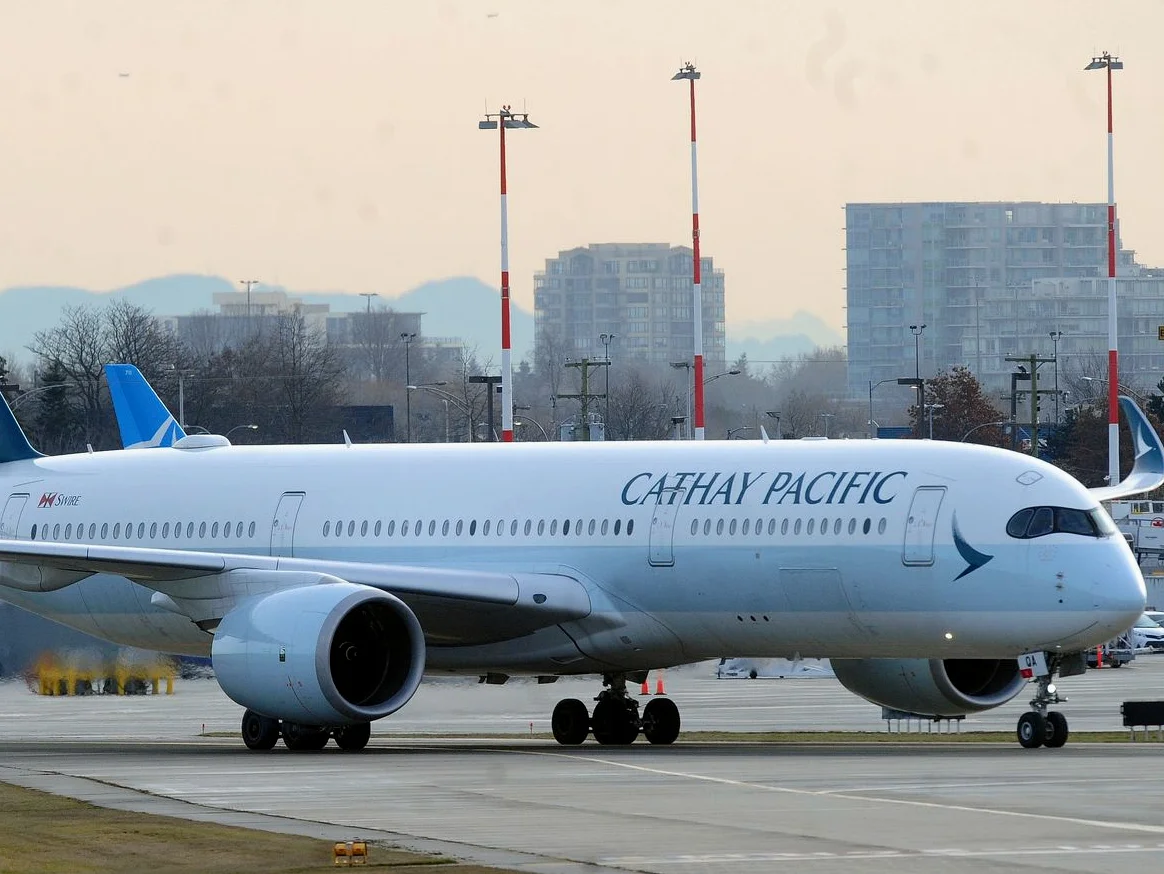
Rising oil prices are forcing airlines to reconsider pricing strategies, with experts warning that higher fuel costs could soon translate into steeper ticket prices for travelers.
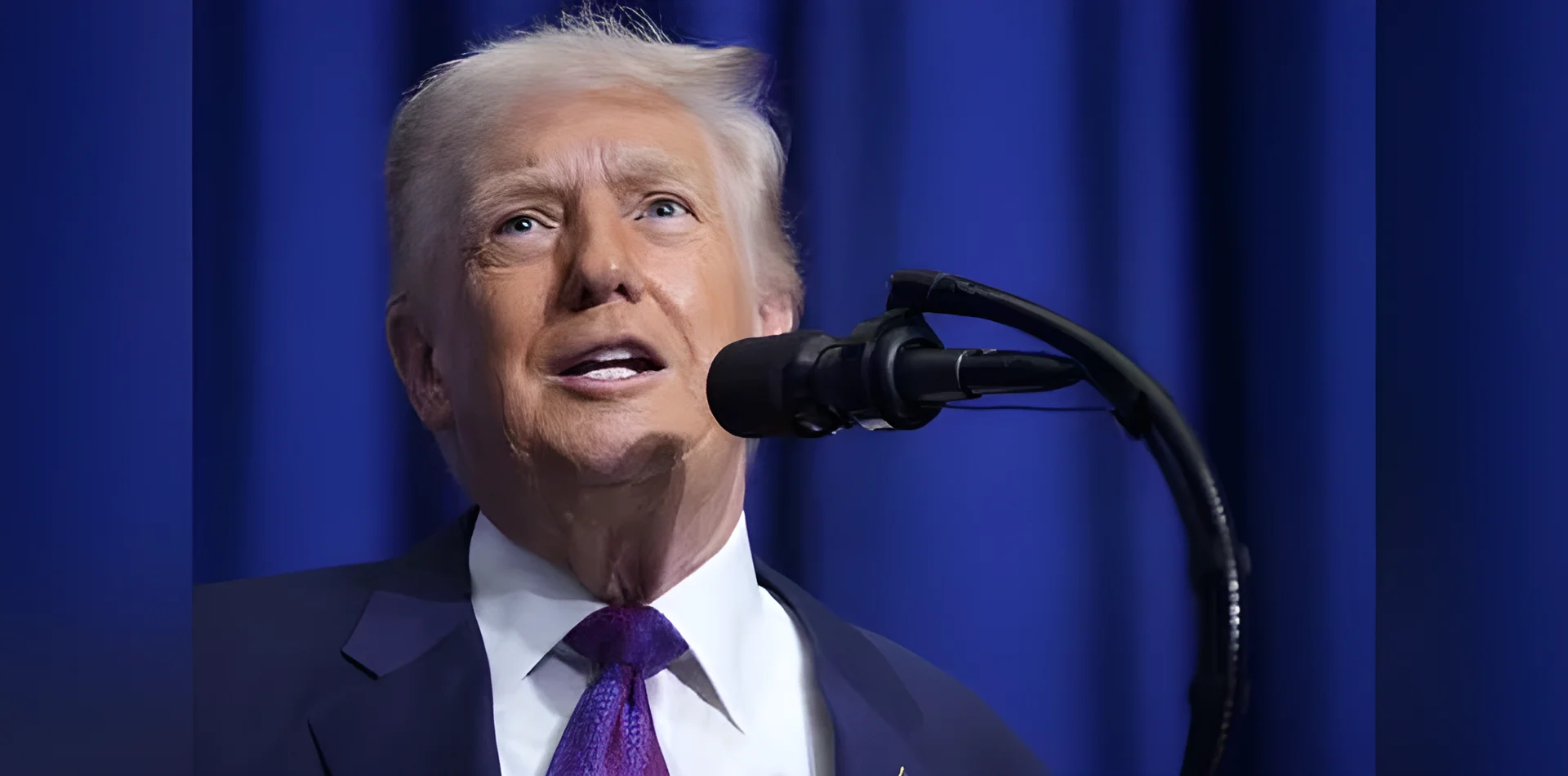
Trump and advisers miscalculated Iran's response to war, causing oil price spikes and shipping standstills.
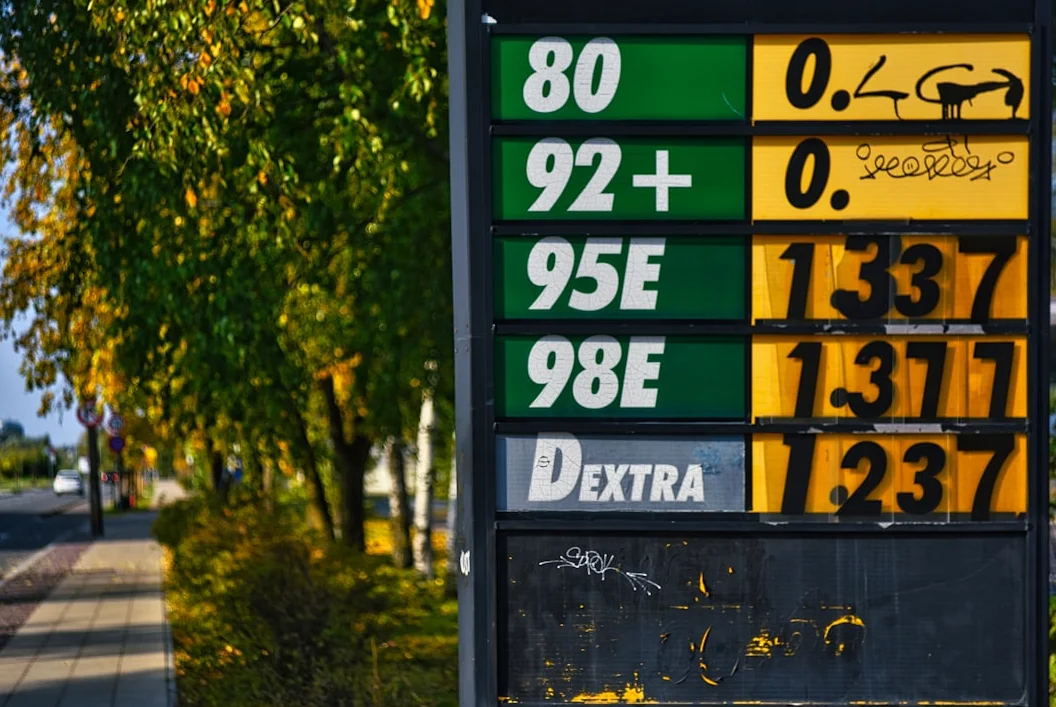
Fuel crisis pushes commodity prices up in Bangladesh, straining the economy and ordinary citizens.
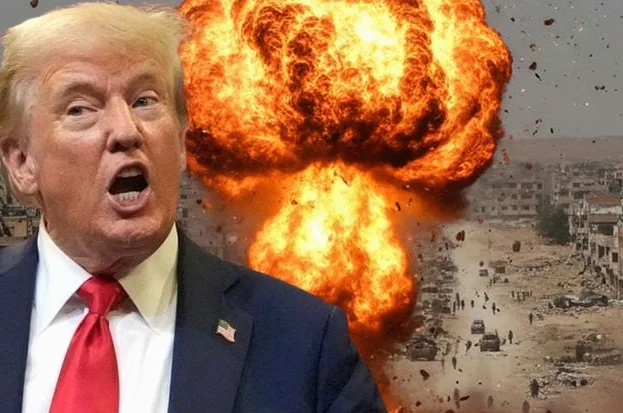
Iran can only win the war by forcing the U.S. to back down due to rising oil prices, according to analysis.
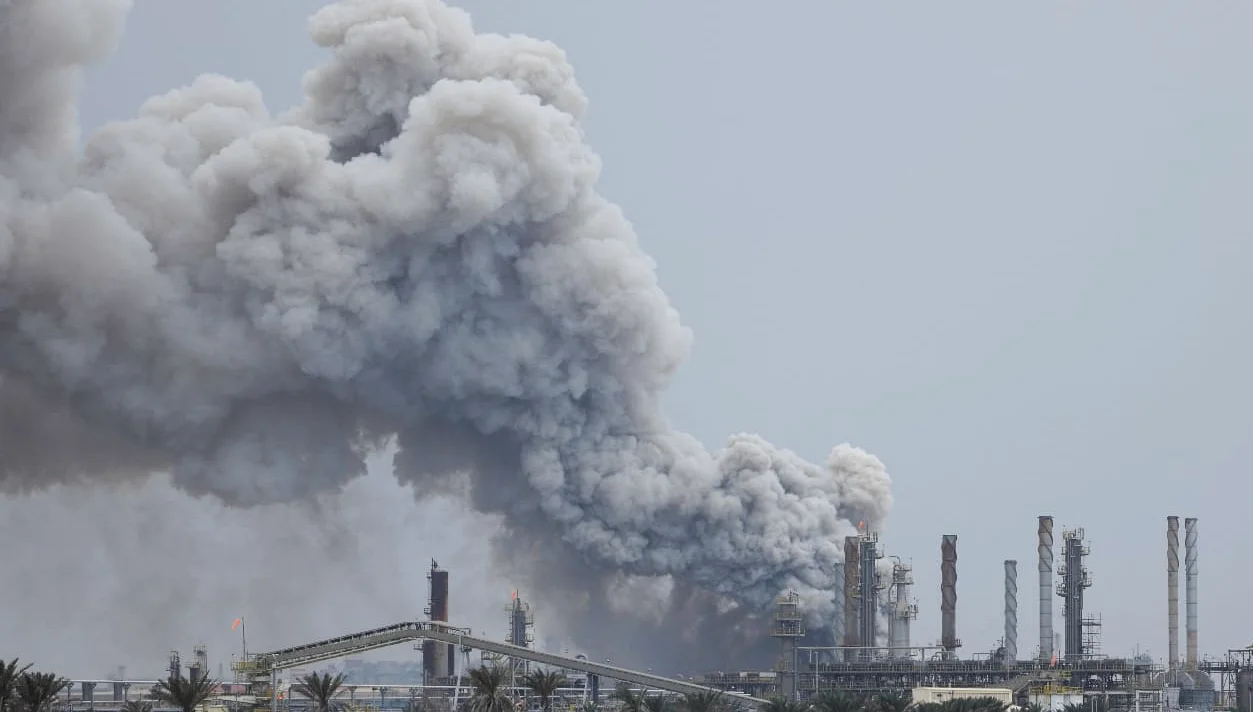
Oil prices have cooled after rising above $100, but the threat of a prolonged disruption in the Gulf could still drive prices higher.
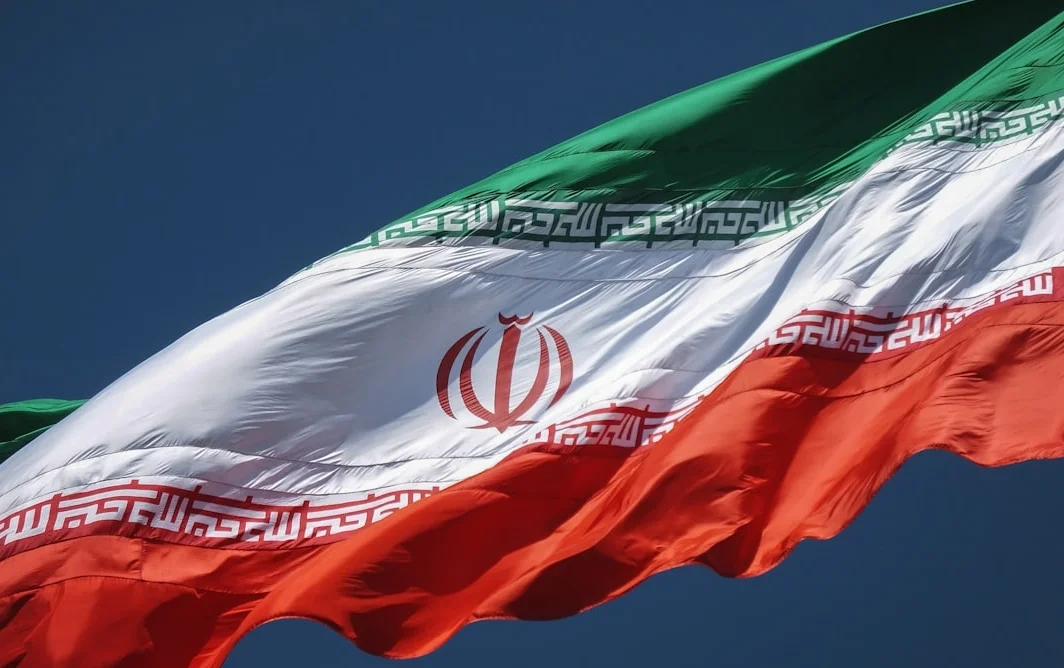
Market volatility eases as Iran war fears subside and oil prices fall.
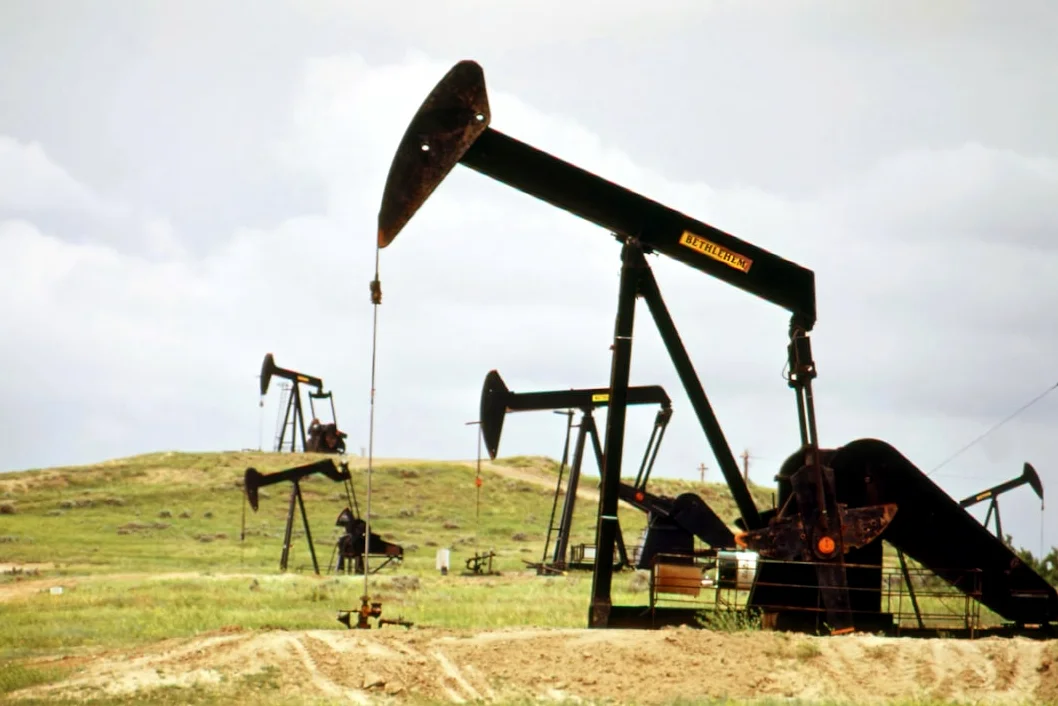
Oil prices drop after Trump warns Iran over Strait of Hormuz, triggering market uncertainty.

Cebu City mandates shutdown of parked government vehicles to cut fuel and electricity costs amid rising global oil prices.
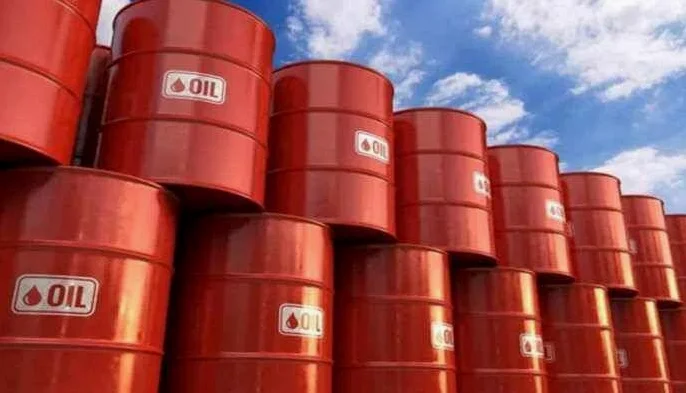
Crude oil prices soar past $118 per barrel amid Middle East tensions, sparking global market concerns.

Gold prices in Hyderabad fell on March 5, 2026, affecting both 22 and 24 carat gold rates.